DIRT — ISSUE 15
USC SPEC Magazine
Design contribution, editorial layout, architectural research integration
November 2025
DIRT is Issue 15 of SPEC Magazine, a culture and lifestyle publication that examines the spaces, aesthetics, and identities shaping contemporary life. Rather than treating “dirt” as something to be cleaned or erased, the issue reframes it as a material, cultural, and symbolic condition, something embedded in labor, land, bodies, memory, and making. Across fashion, art, environment, and place, DIRT asks how what we discard, disturb, or deem impure can instead become generative.
For this issue, I contributed as both a designer and architectural voice, integrating SPEC’s established editorial language with my background in architecture, environmental research, and material thinking.


Plant Music — Editorial Spread Design
I designed the spread for the Plant Music profile, a feature exploring sound, growth, and non-human agency through the translation of plant data into music. Working within SPEC’s existing visual style, I focused on restraint, pacing, and material clarity, allowing imagery, negative space, and typography to breathe rather than overpower the content. My approach was to extend SPEC’s identity, using consistency as a design tool while quietly inflecting the spread with my own sensitivity to material systems and environmental rhythms.
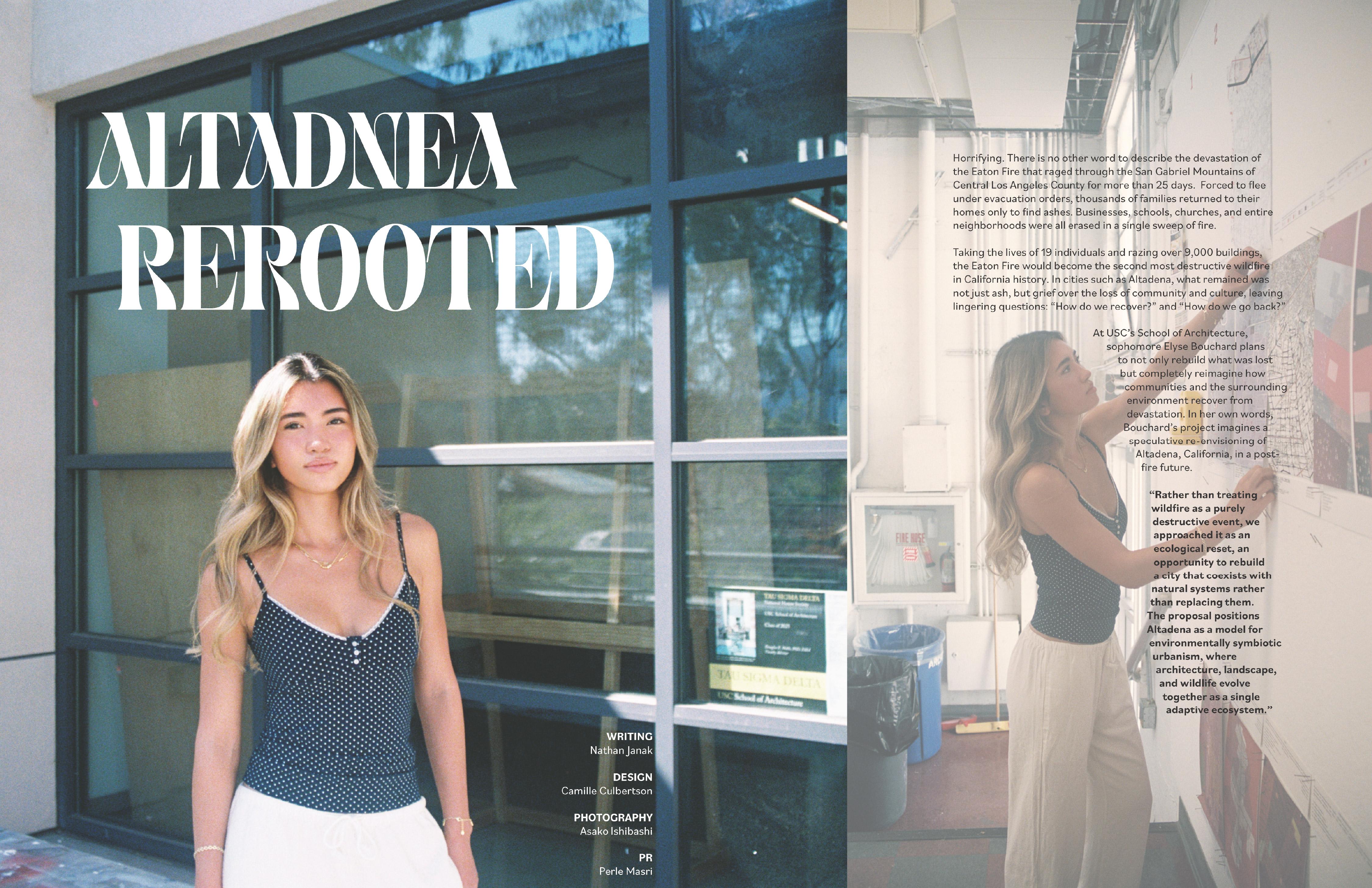
Altadena Rerooted — Profile Feature
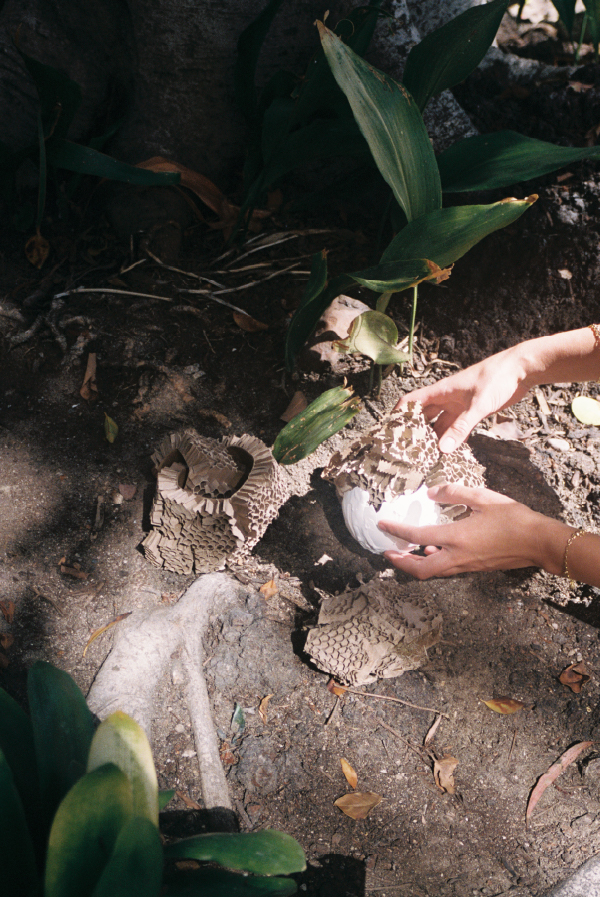
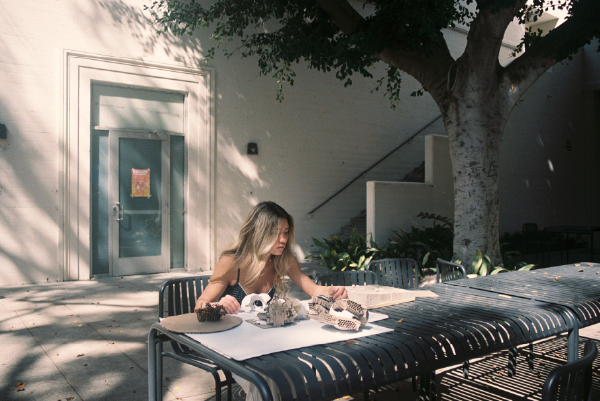
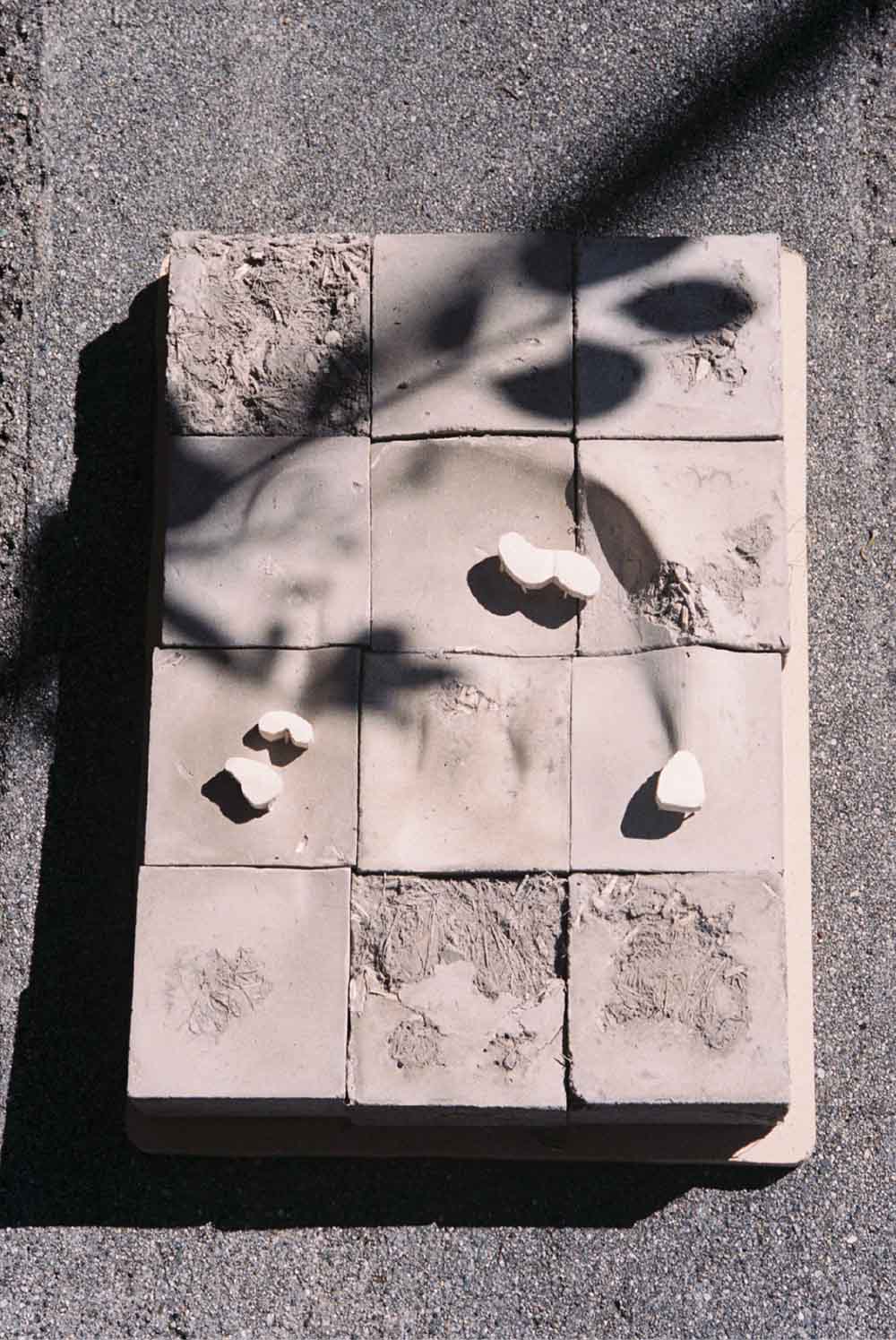
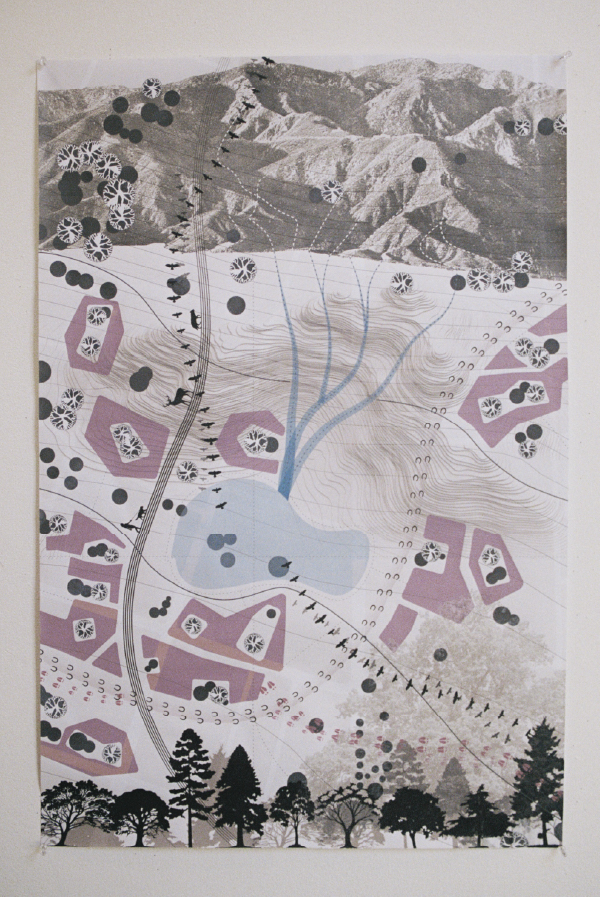
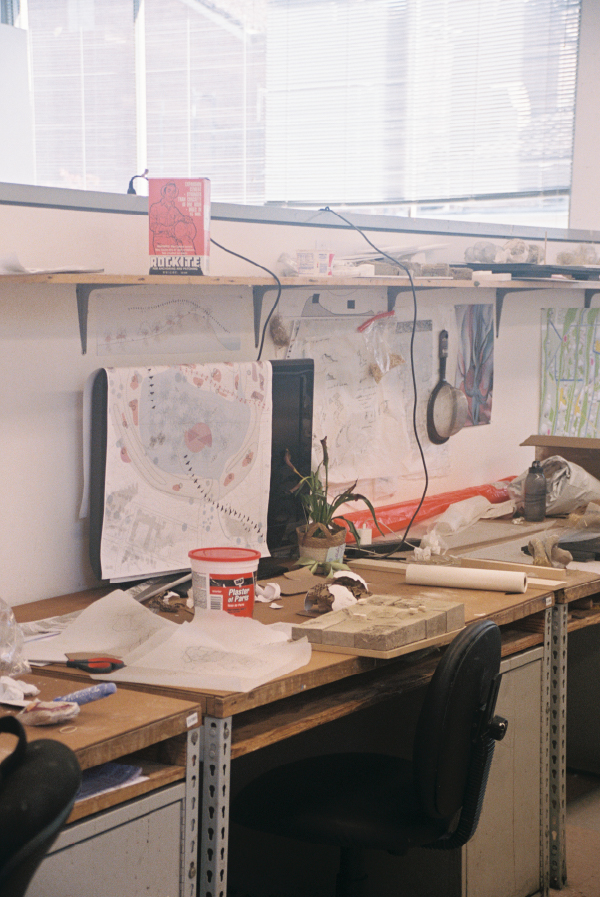
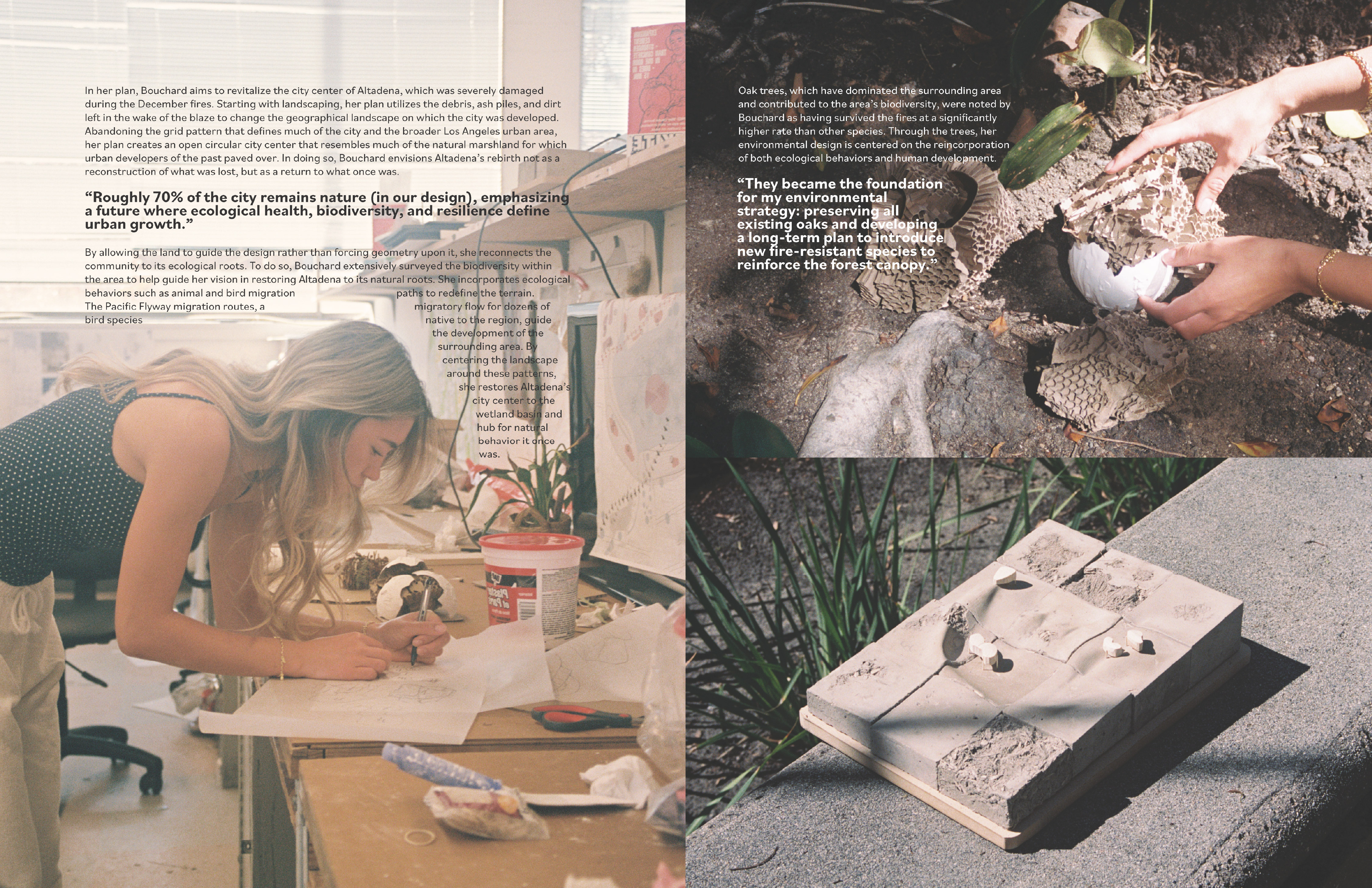
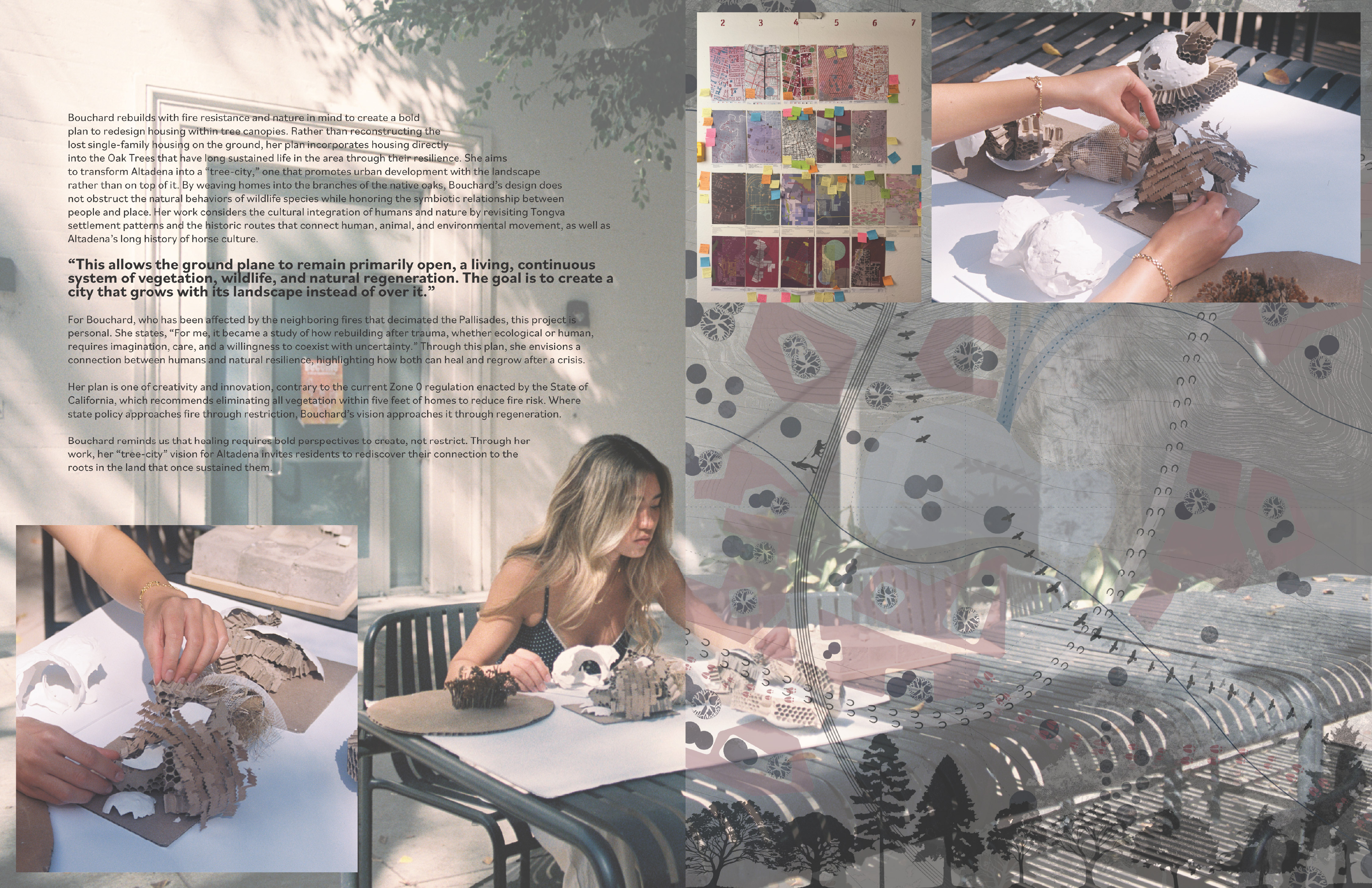
In addition to my design contribution, I was featured in Altadena Rerooted, a profile connecting the theme of DIRT to my architectural work reimagining post-fire Altadena. The feature draws directly from my research on debris, land disturbance, and regeneration, framing dirt not as residue, but as structure.
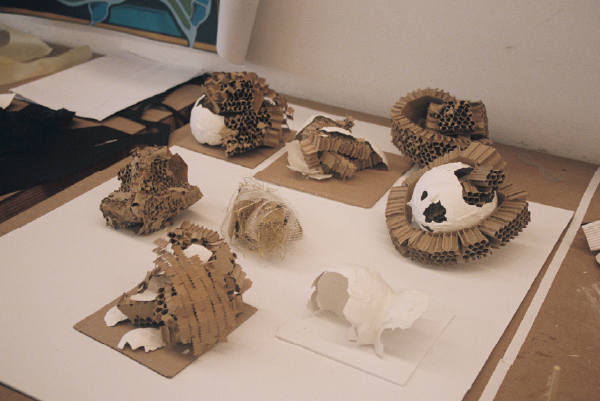
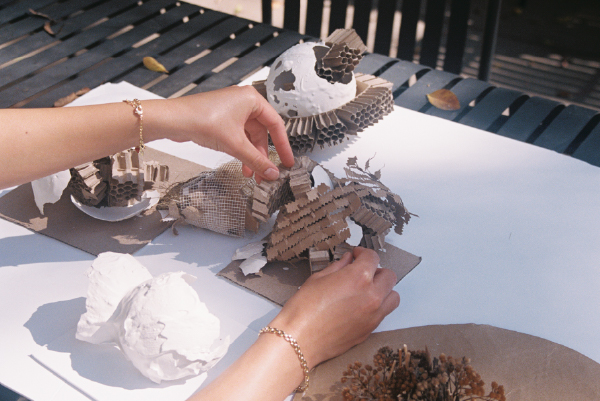
The project explores how fire debris can be reconstituted into new topography, reshaping circulation, ecological corridors, and public space. In this context, dirt becomes both archive and infrastructure: a record of destruction and a foundation for renewal. The editorial narrative and imagery situate architecture as something grown from the ground rather than imposed upon it.
While the spread was collaboratively designed, I contributed heavily to spatial logic, image sequencing, and conceptual framing, ensuring the project read as both architectural speculation and cultural reflection.