Between Sky and Ground
ARCH 202A
PART 3 | ARTIFACT
December 2025
Between Sky and Ground was developed as the individual final project for ARCH 202A: Architectural Design II, Part III. The assignment asked students to design an urban artifact: a civic building that operates not only as a functional object, but as a meaningful contributor to the identity, memory, and public life of the city, developed under the guidance of Professor Evelyn Tickle and Program Director Scott Uriu. Positioned within a larger urban scenario for Altadena, the artifact was required to test how architecture could operate simultaneously as a singular form and as part of a broader civic and ecological system.
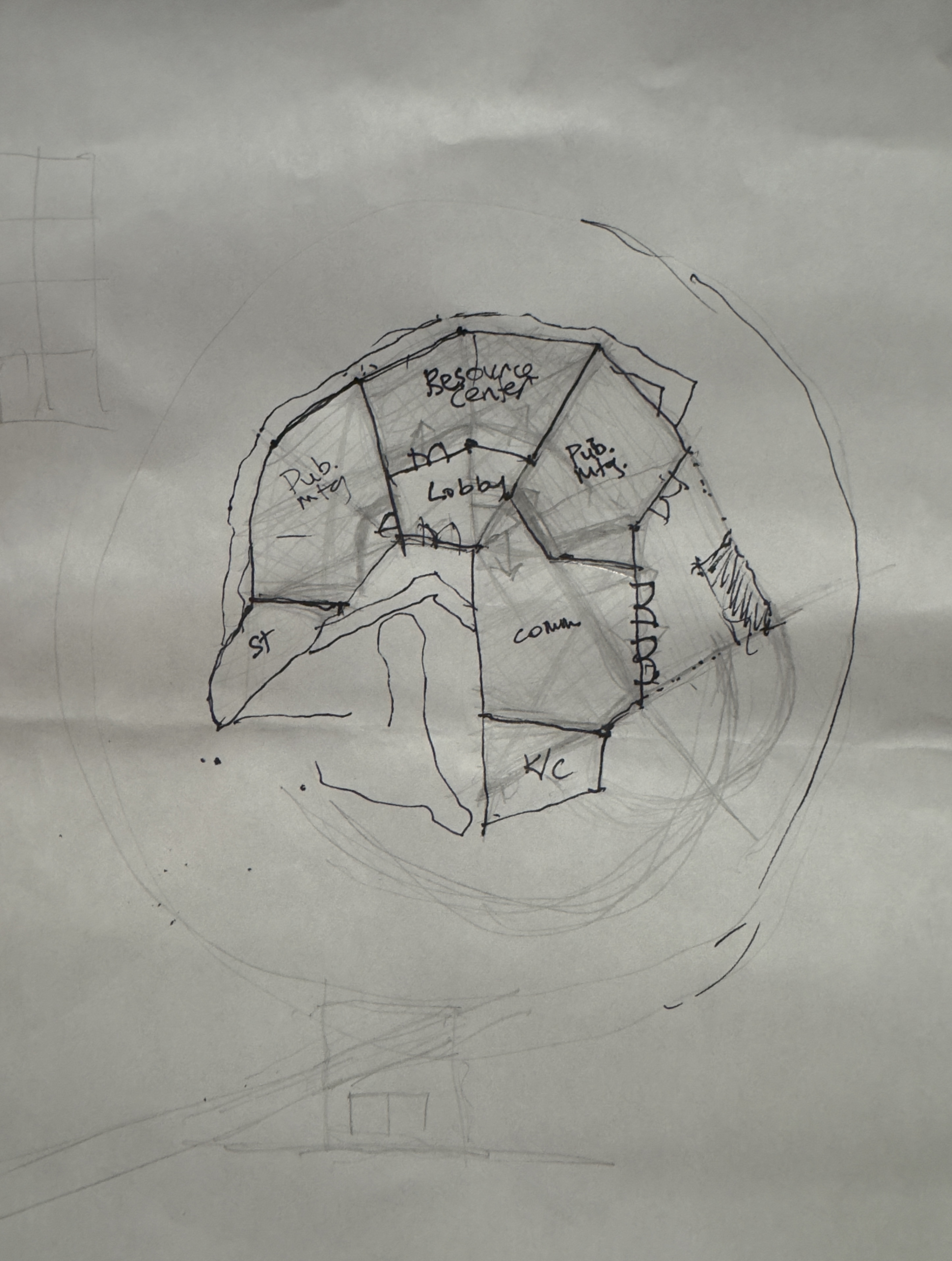
Building on the environmental research and spatial strategies developed in Parts I and II, this project reframes the civic building as a mediator between post-fire recovery, historic wetlands, and human occupation.
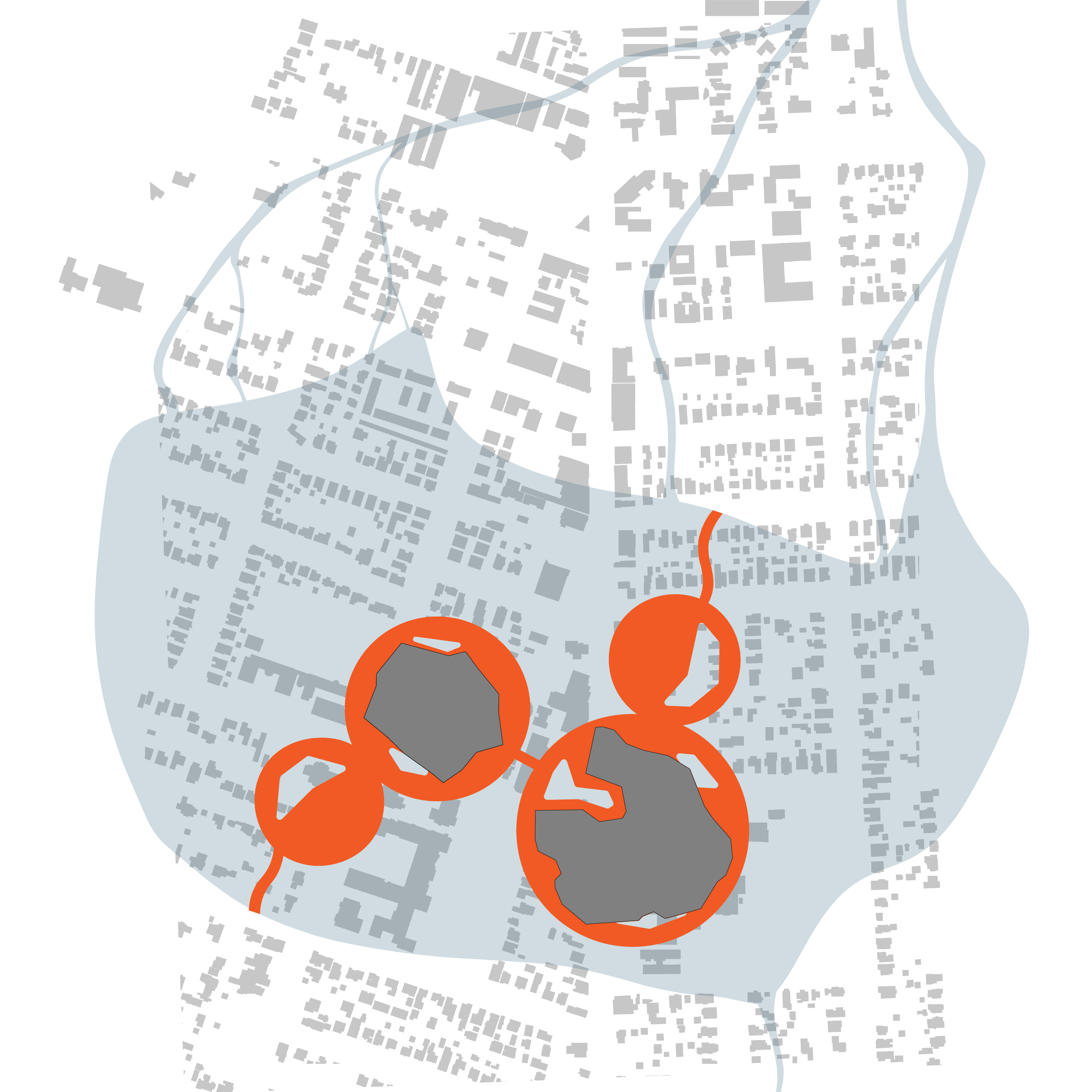
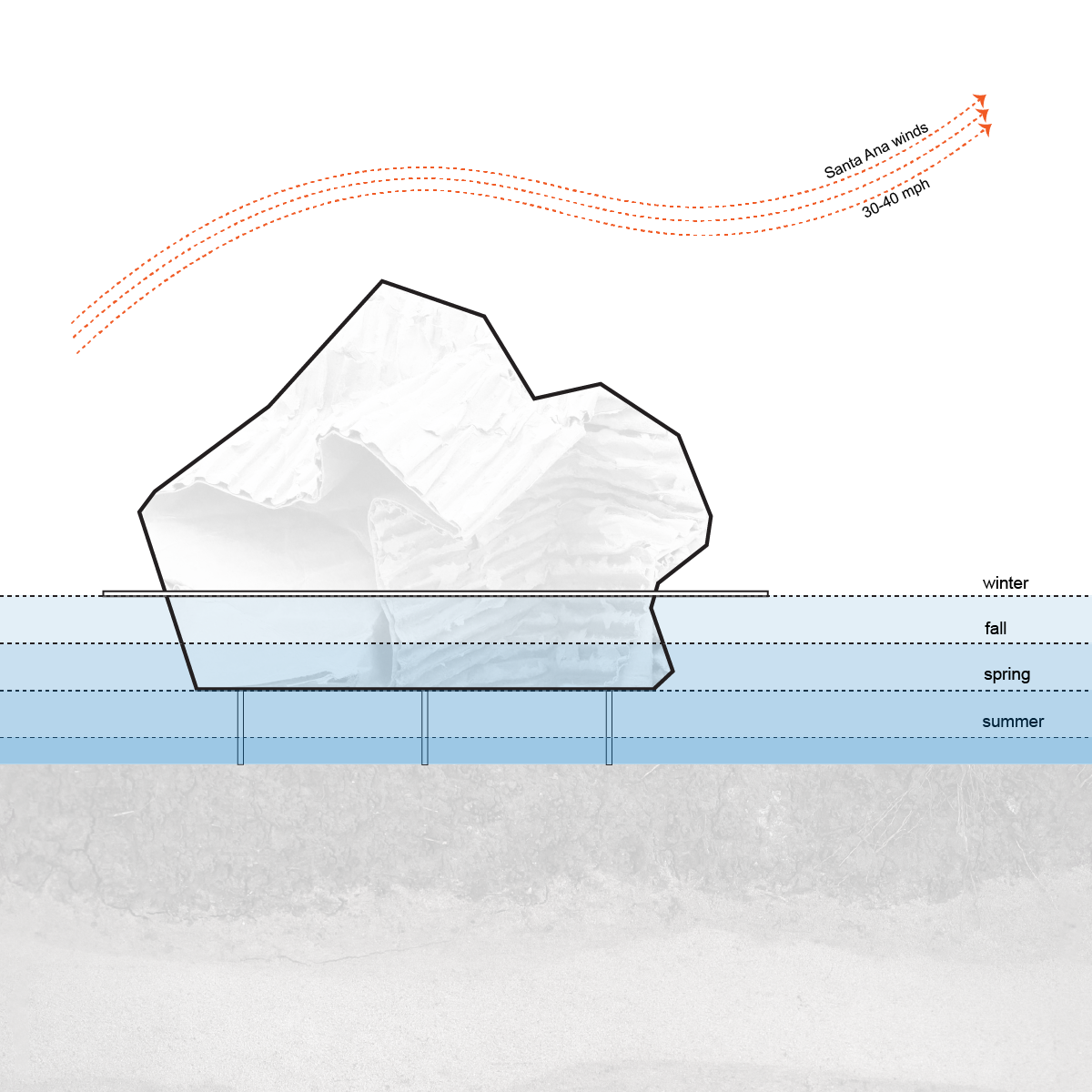
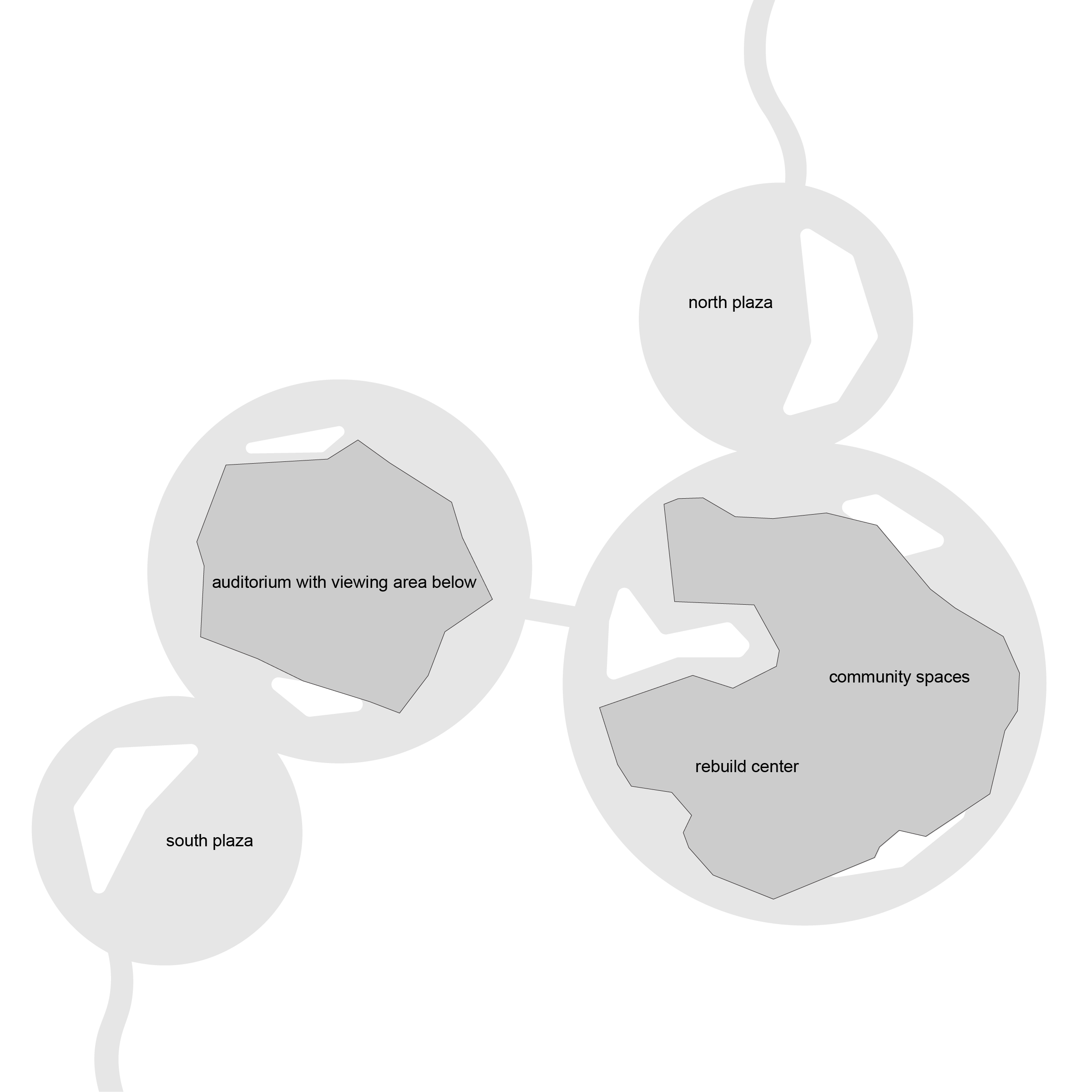
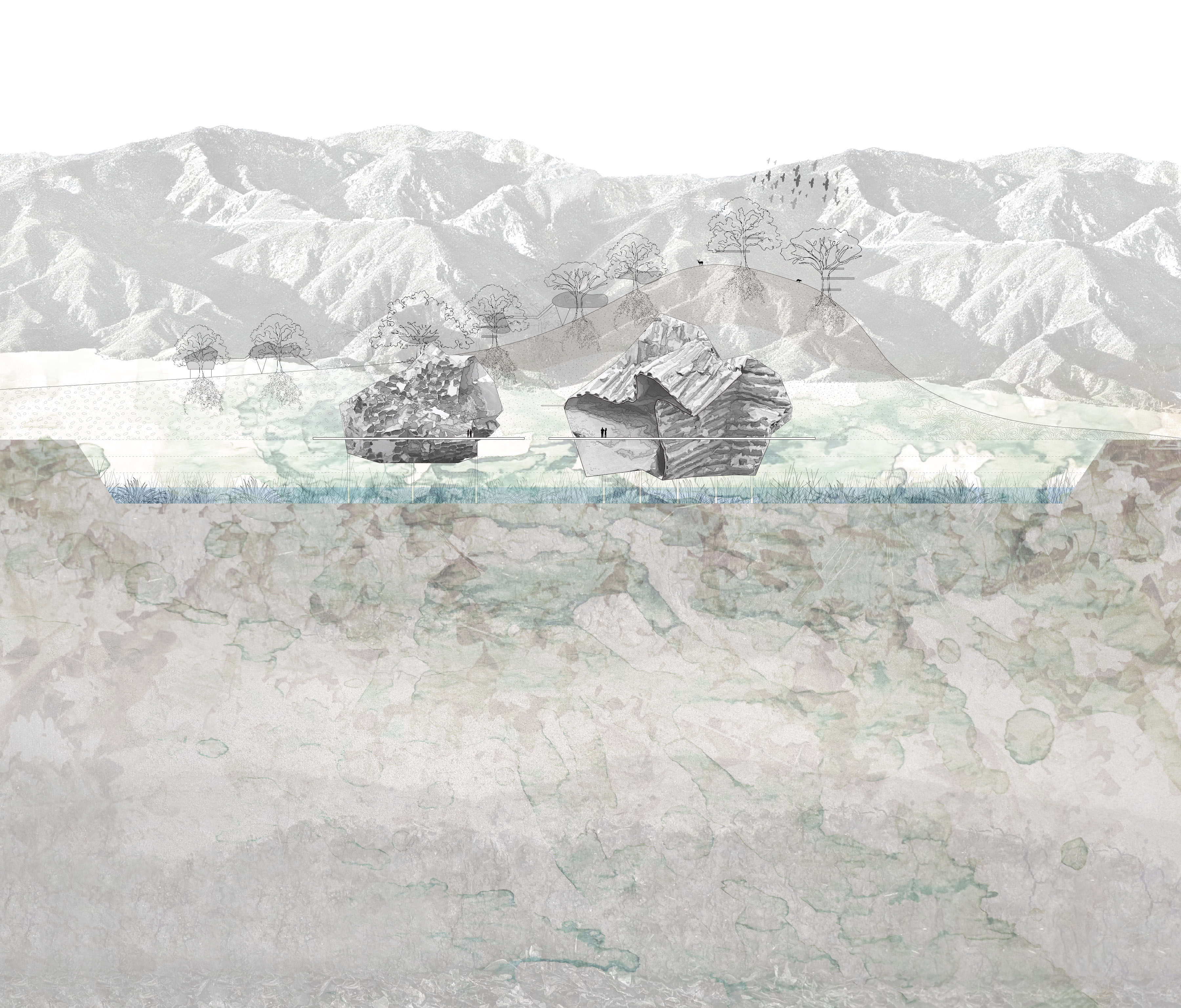
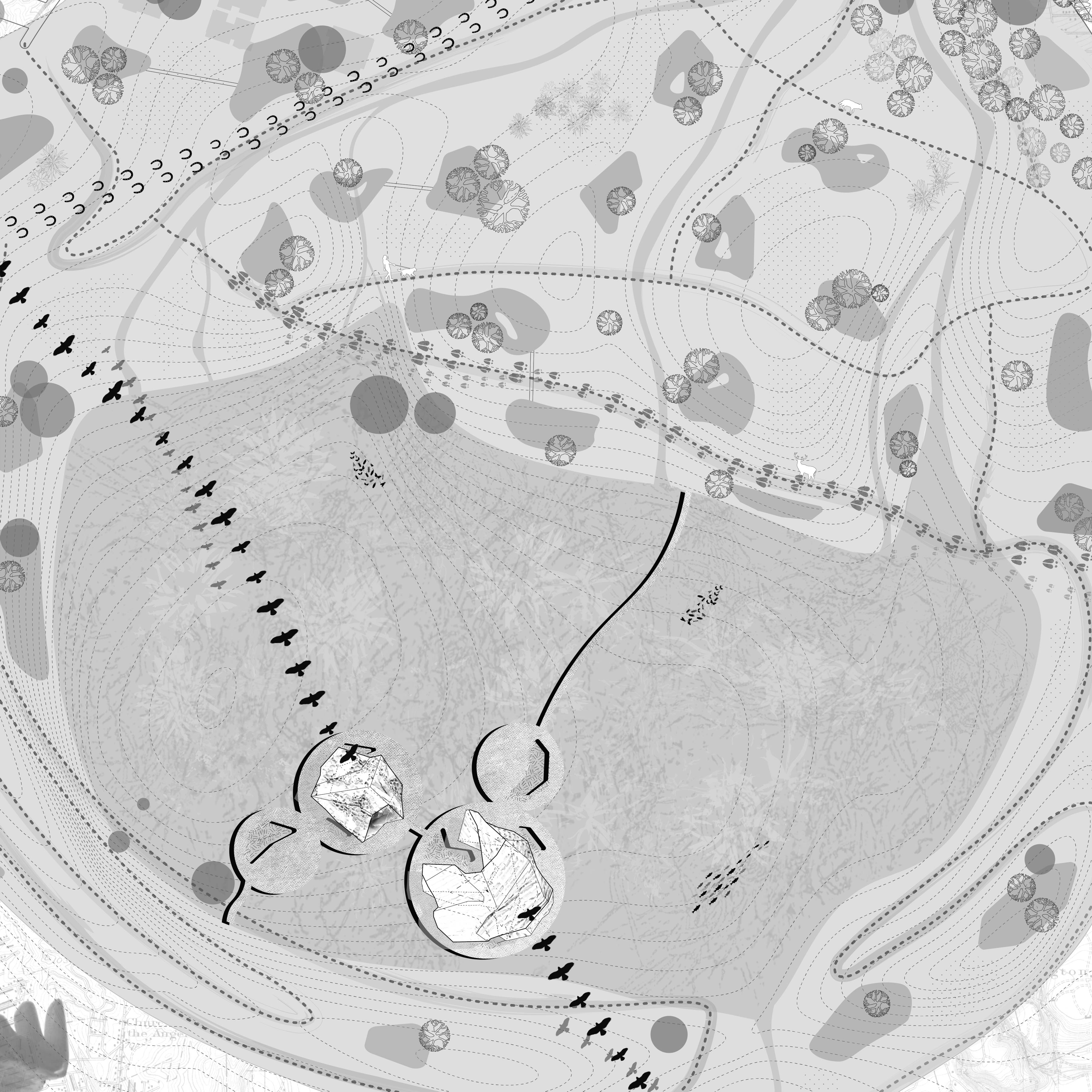
This proposal situates Altadena’s new City Hall and Auditorium within the reemergence of the historic Eaton Wash wetland. Rather than treating the site as a fixed surface, the project embraces seasonal fluctuation as a generator of architectural form and experience. The building is conceived as a platform that meets water at its highest seasonal level, allowing civic space to coexist with ecological processes rather than displacing them.
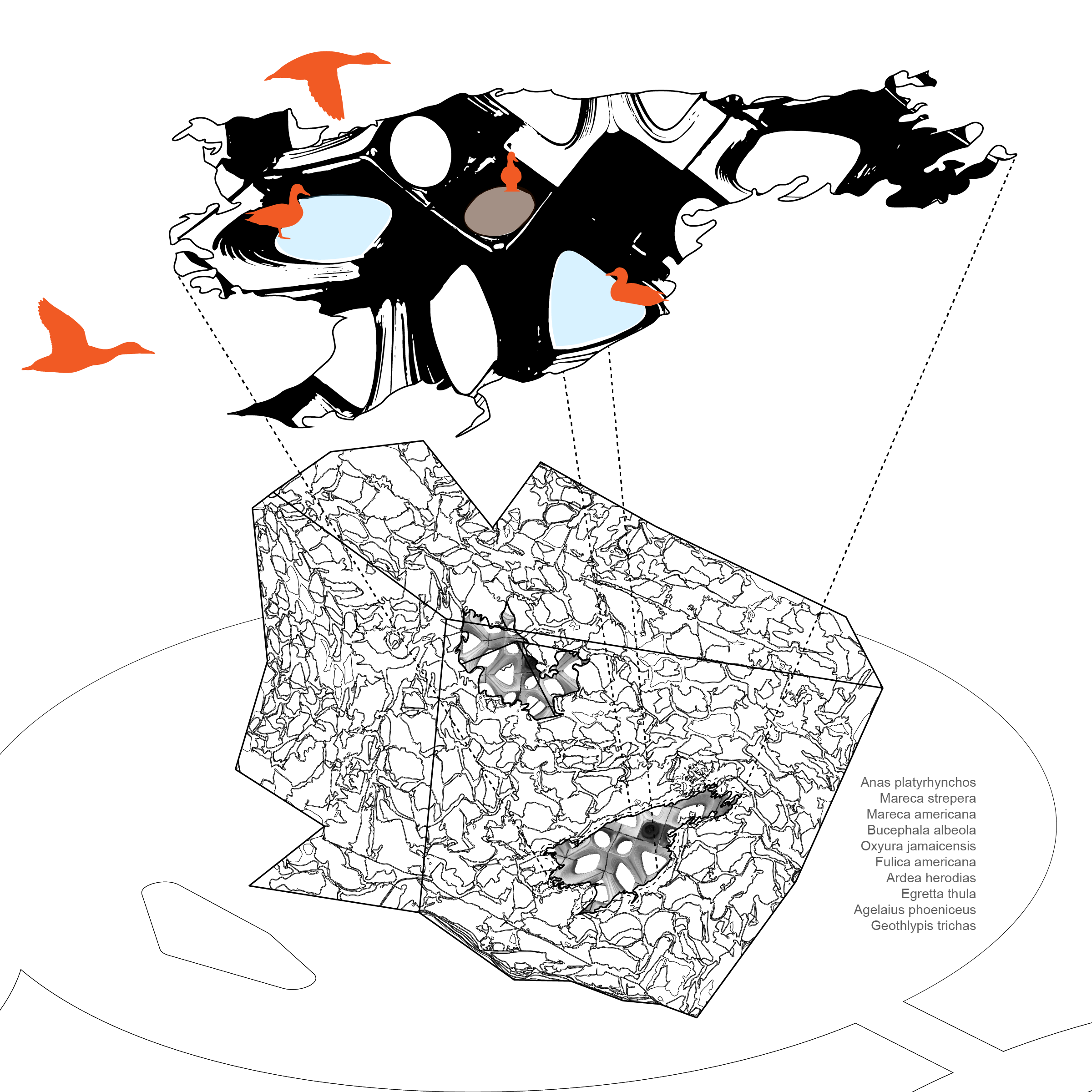
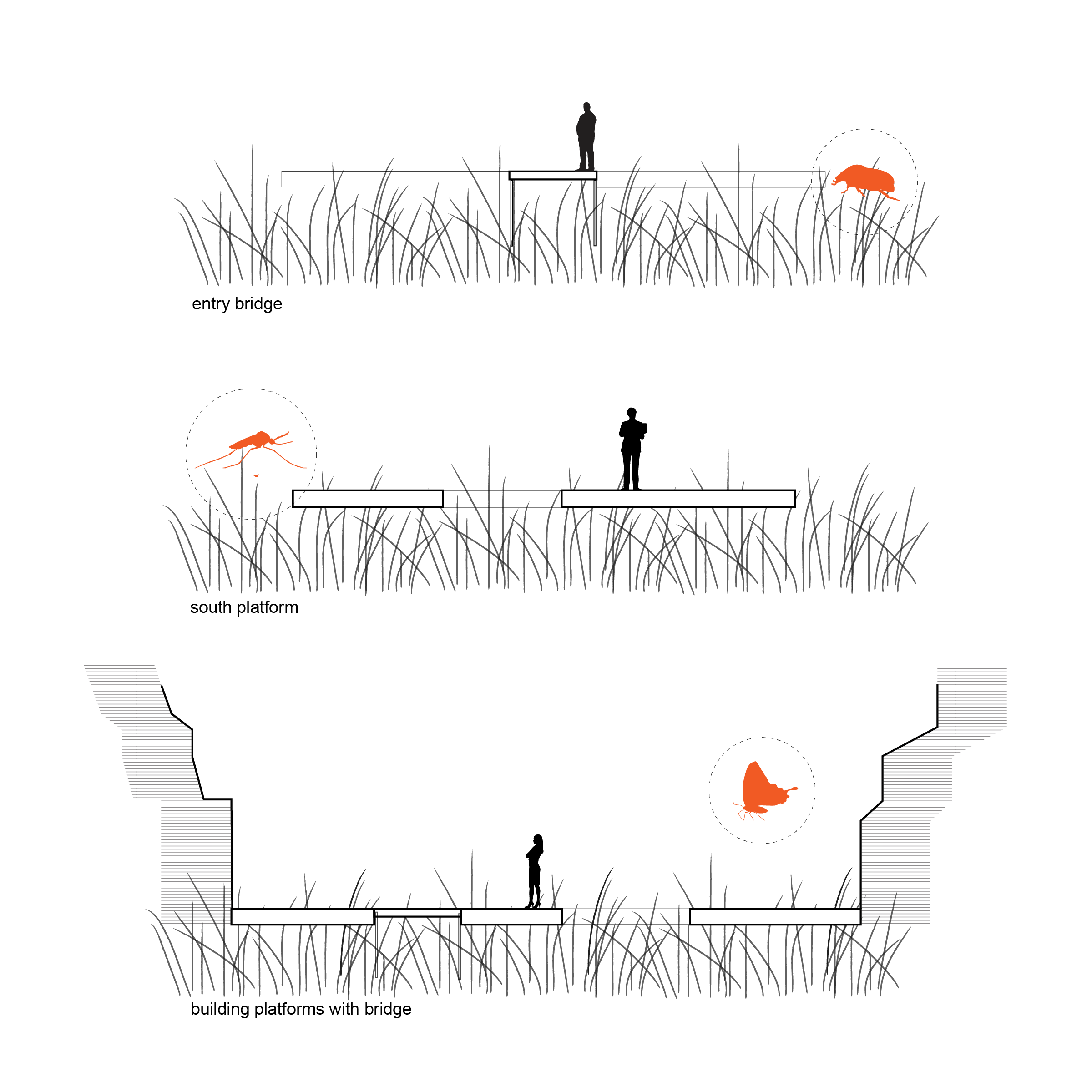


A defining move is the introduction of a sub-zero floor level beneath the public plaza. Glass walls and sectional transparency allow visitors to observe shifting water levels, sediment movement, and plant growth below their feet. This inversion of typical civic architecture, where infrastructure is hidden, asks whether visibility can foster accountability, awareness, and connection to environmental systems that usually remain unseen.
Seasonal change is central to it's identity. Water recedes through spring and summer, gradually revealing more of the wetland floor and altering spatial relationships over time. The architecture does not resist this change, it records it. The building becomes an instrument for observing time, climate, and ecological recovery.
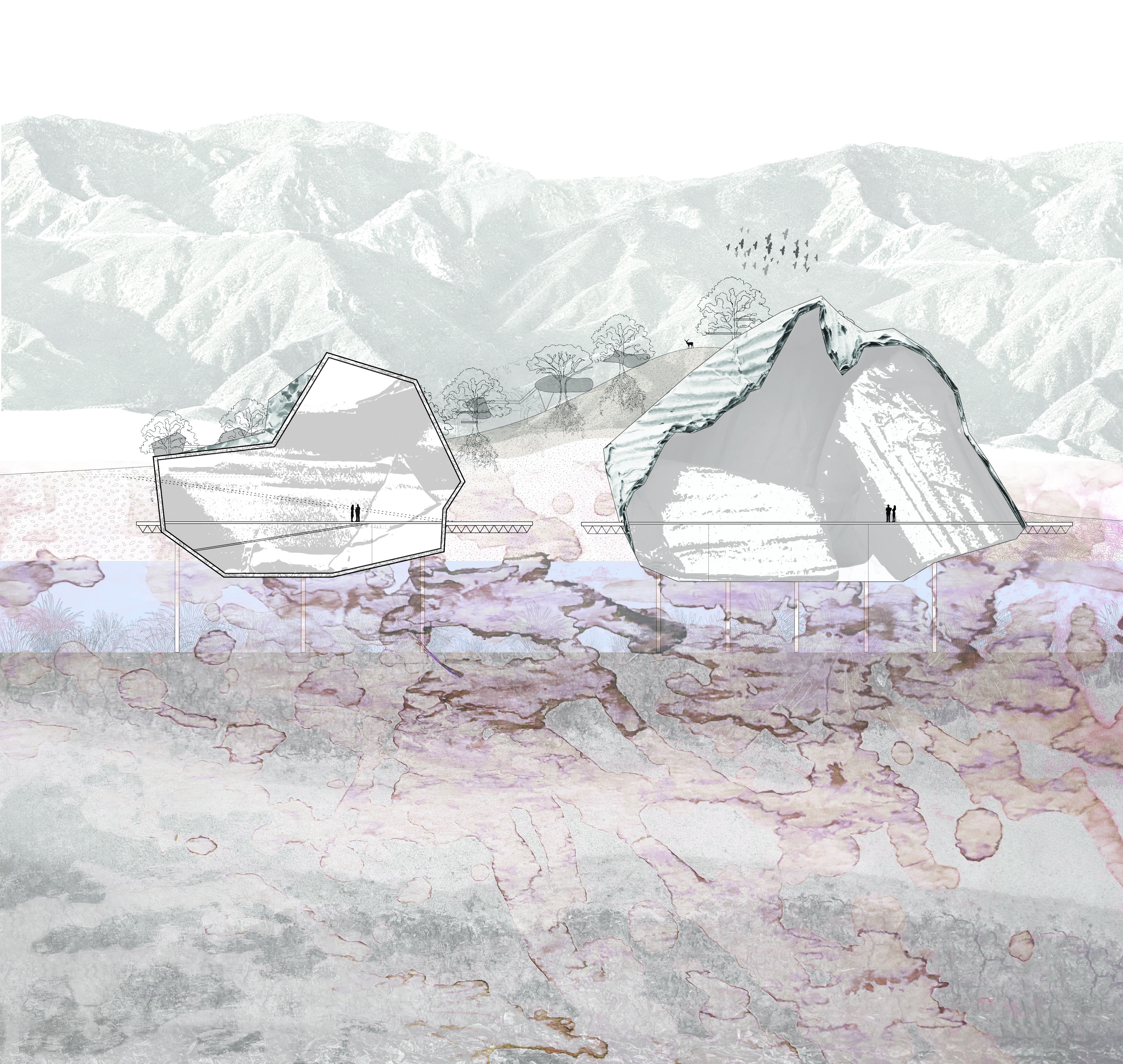
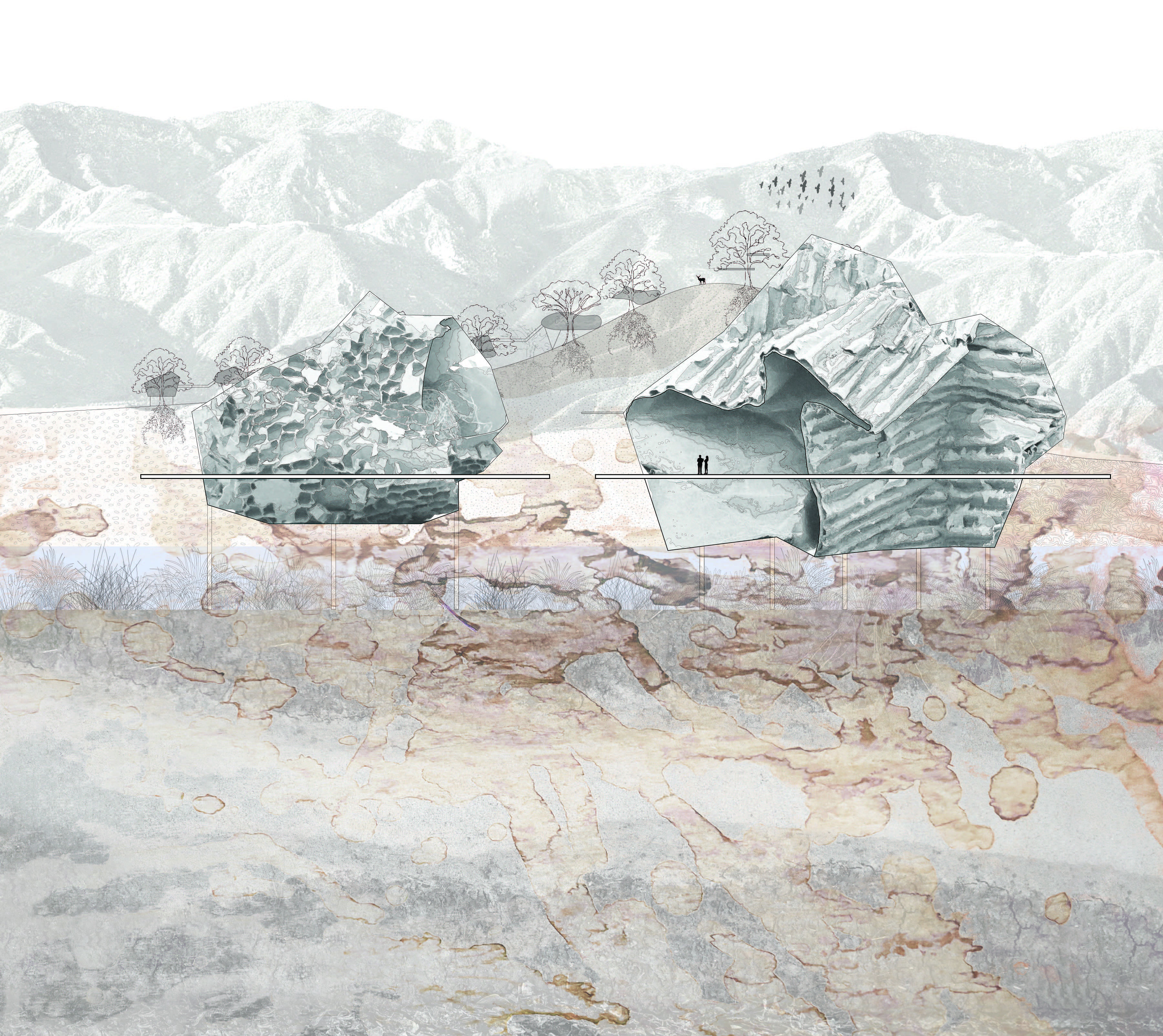
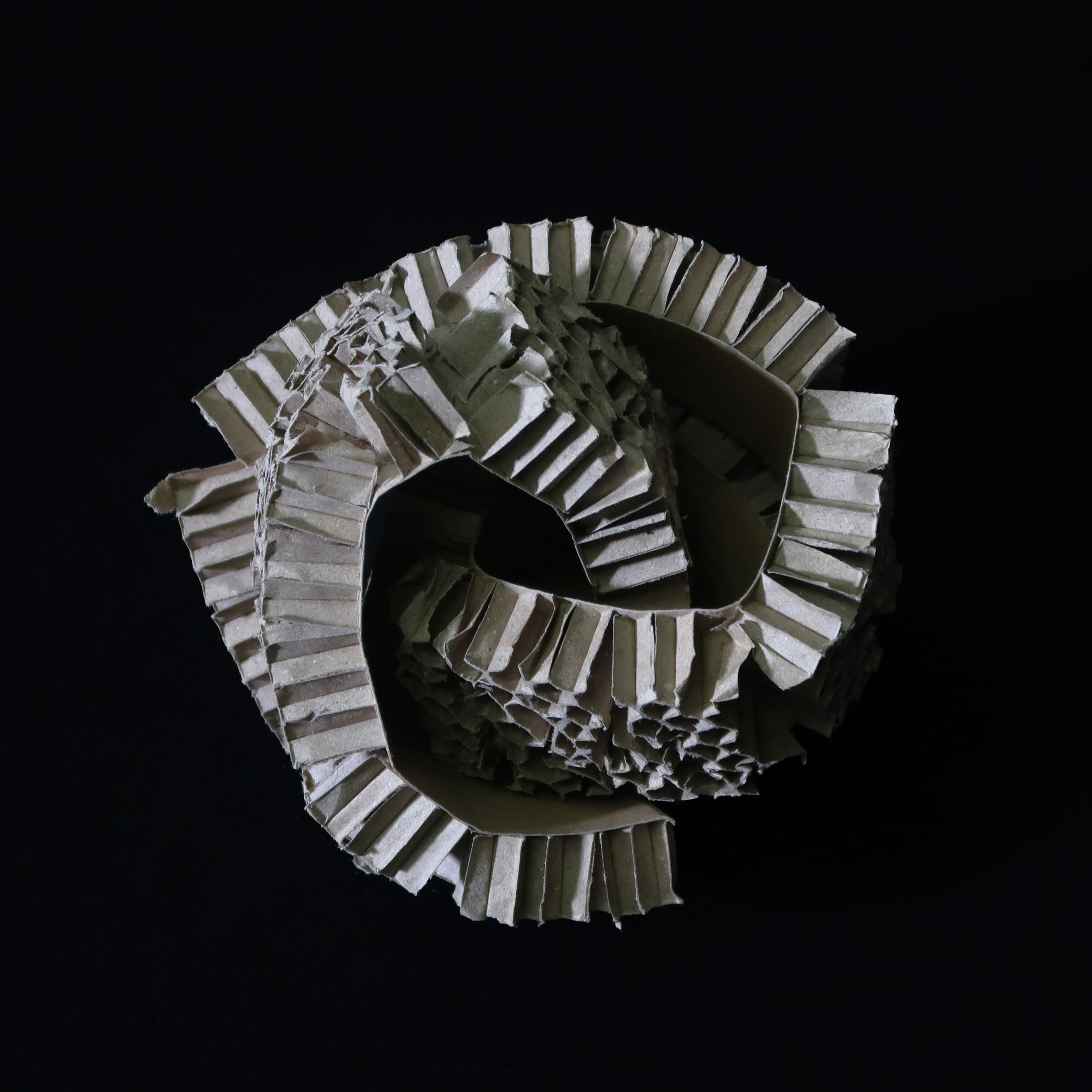
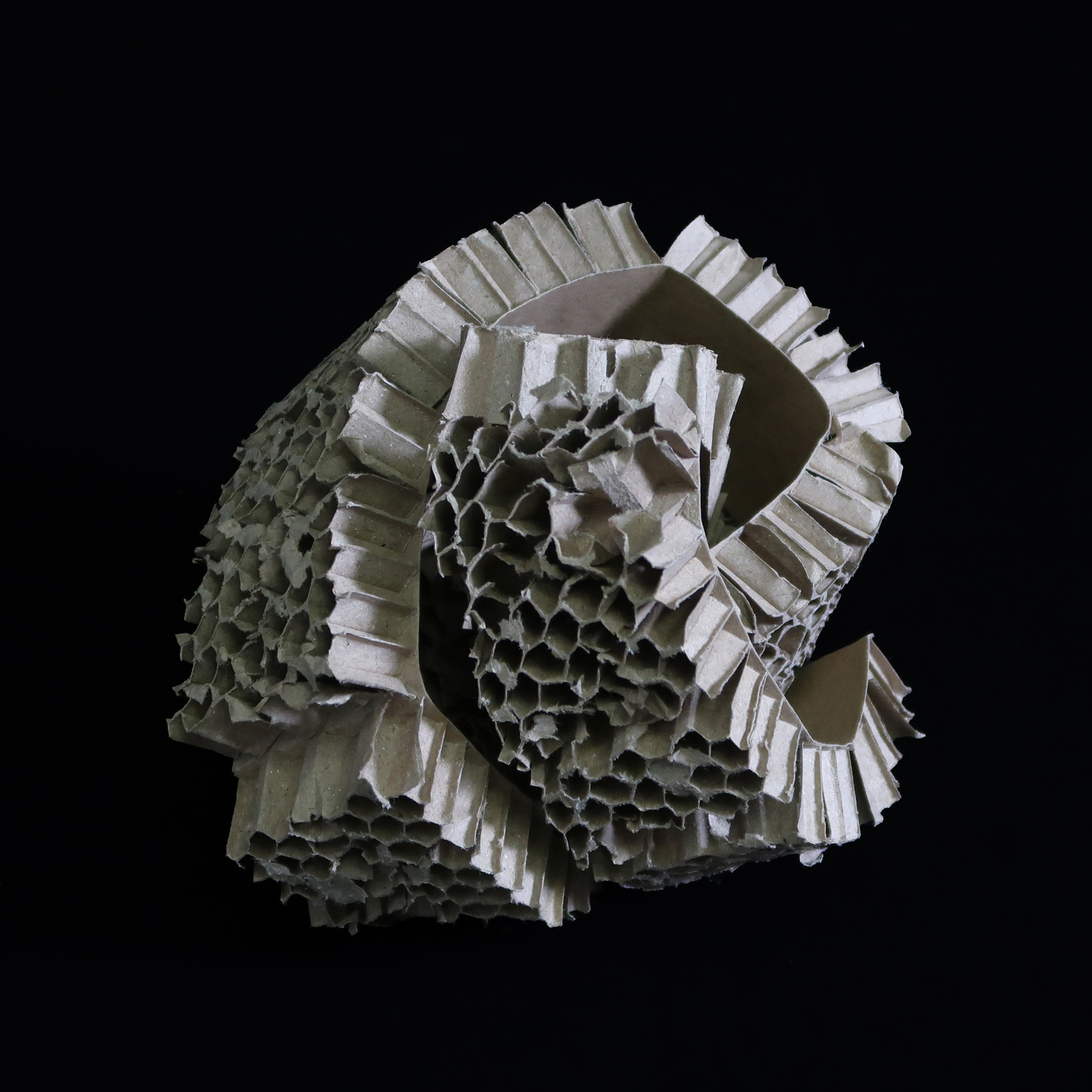
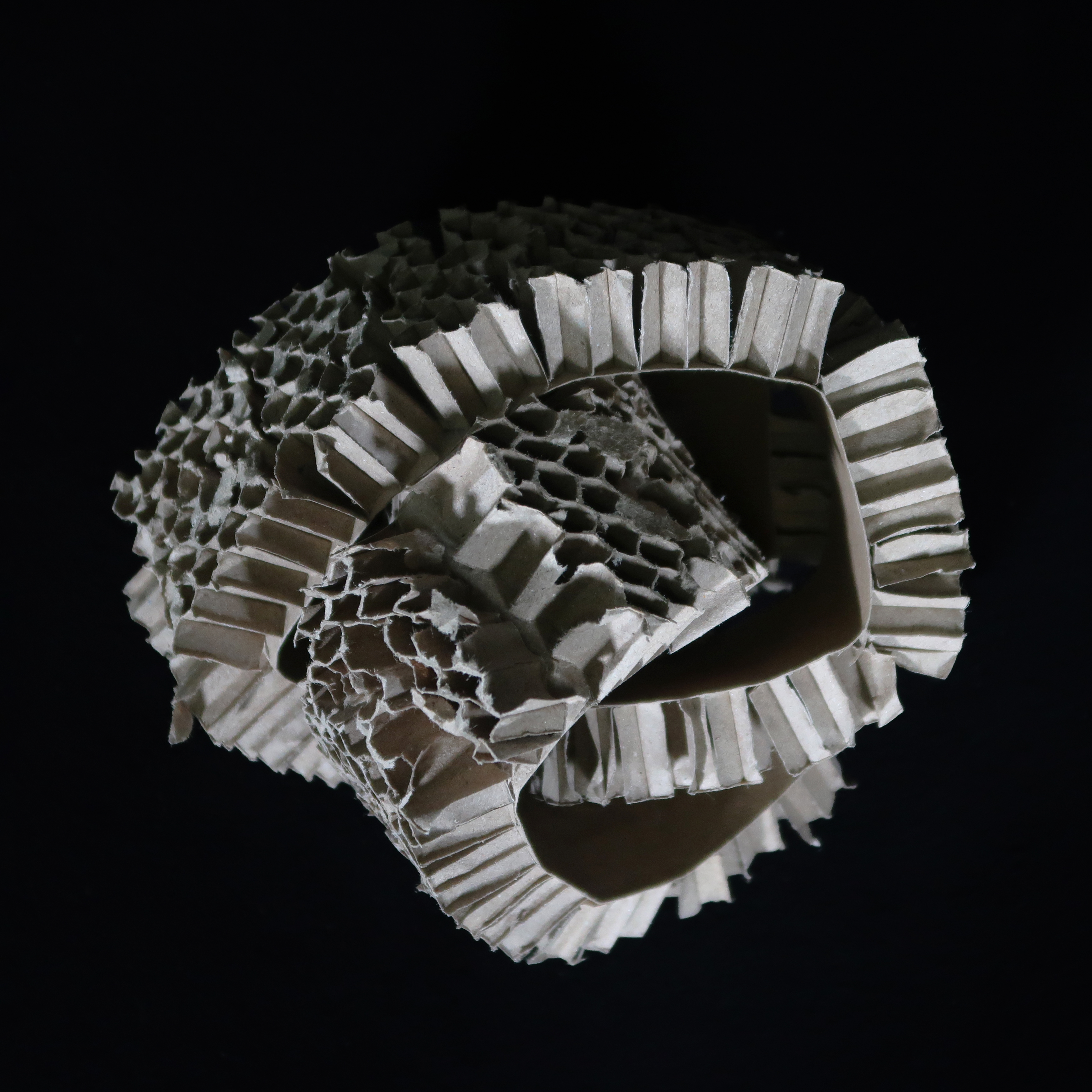
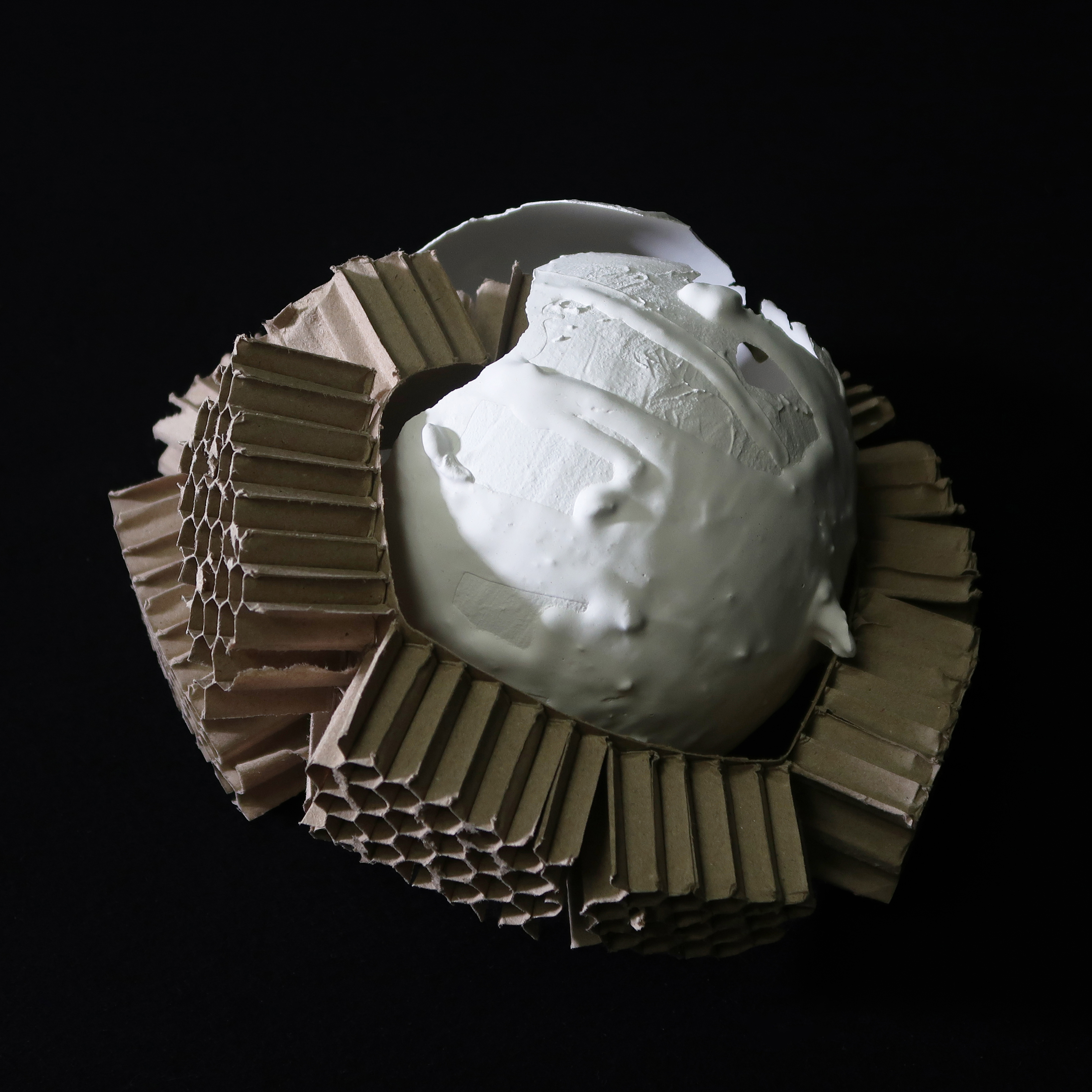
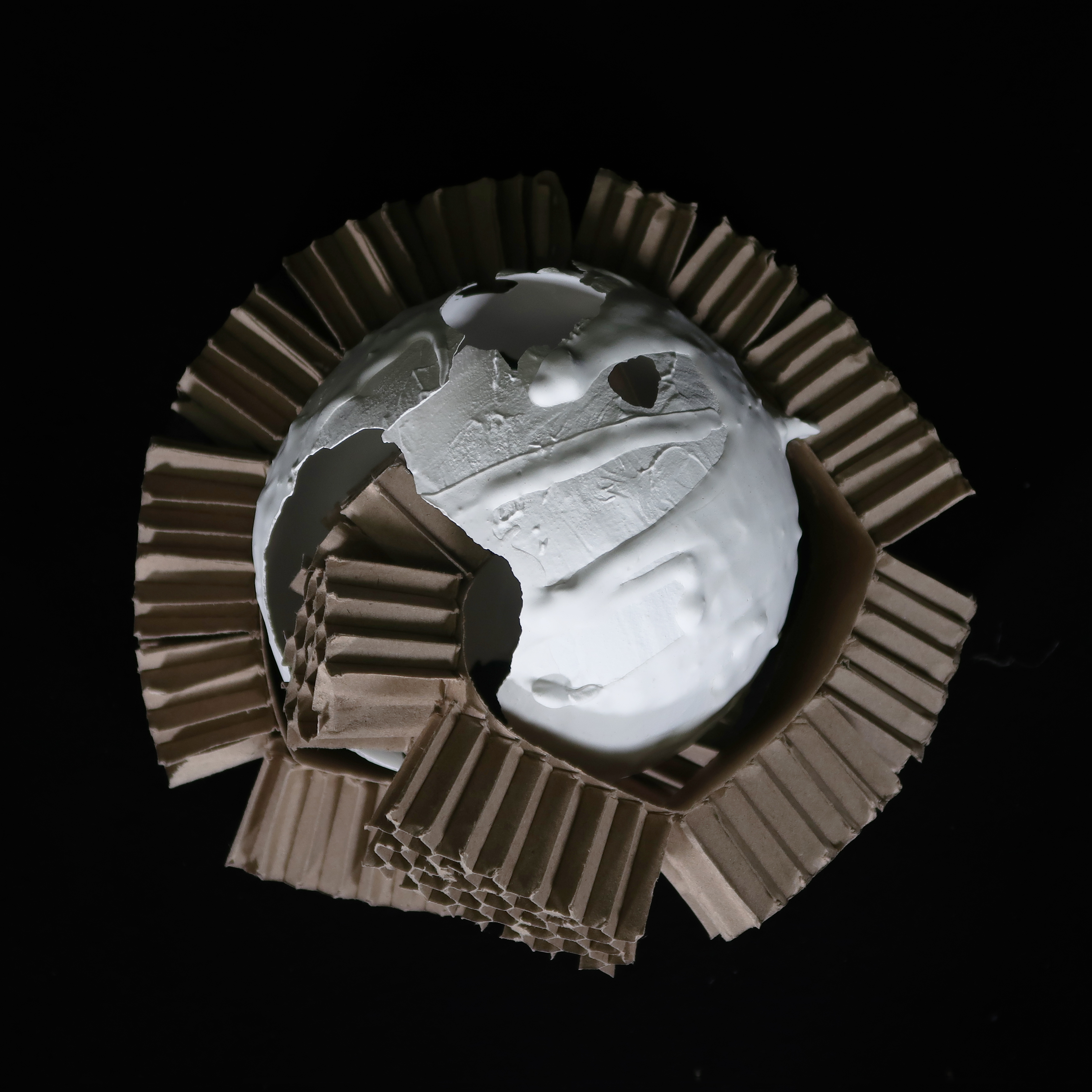
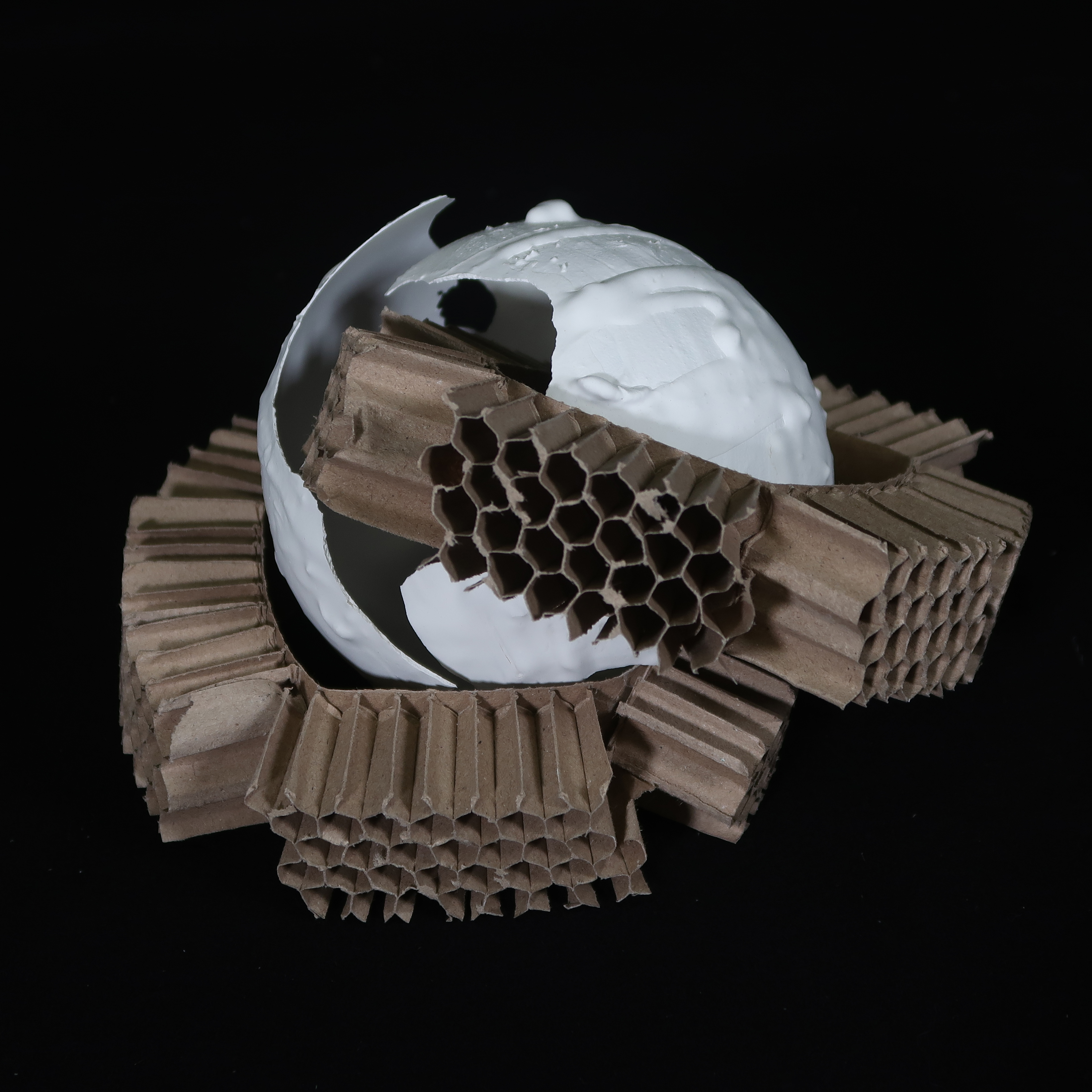
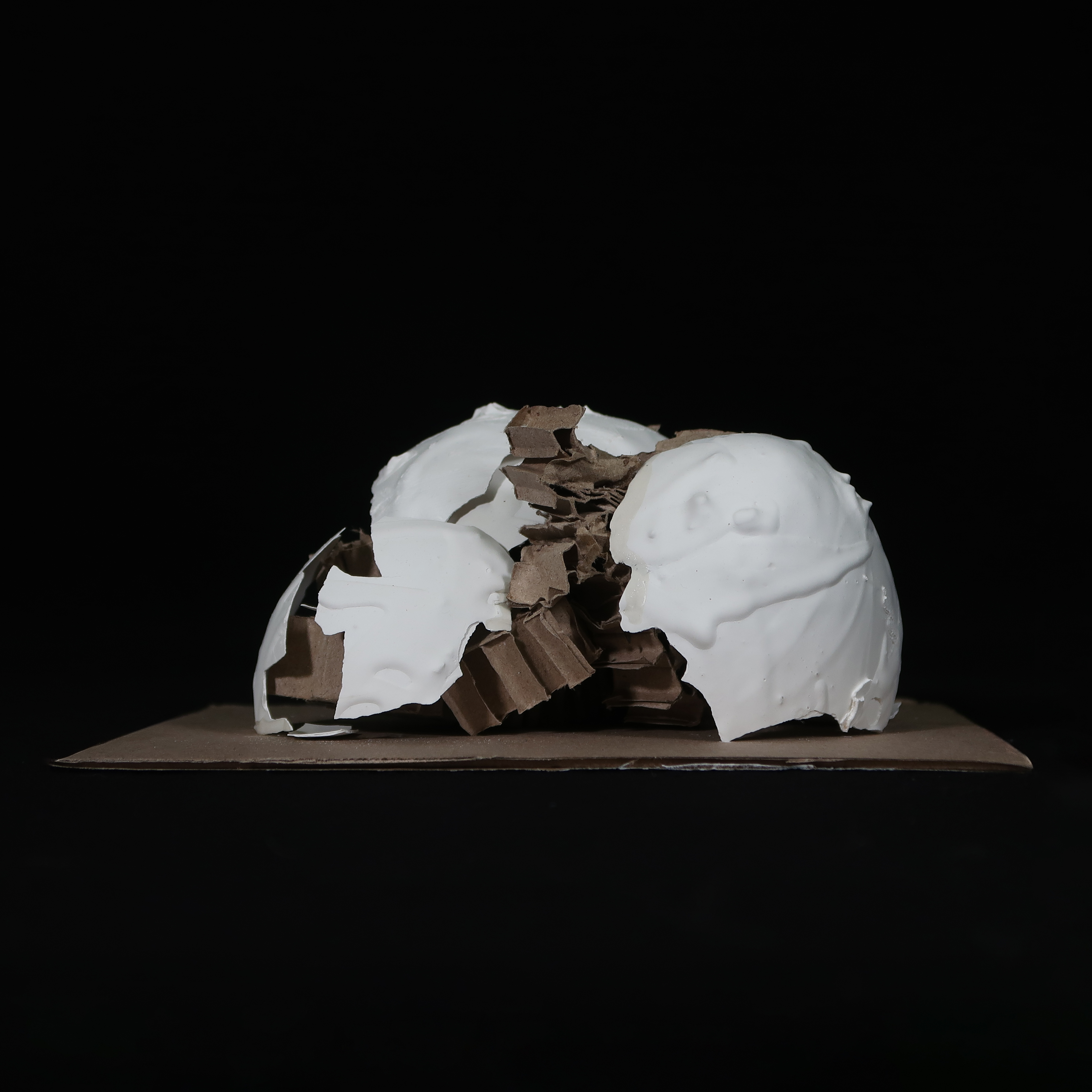
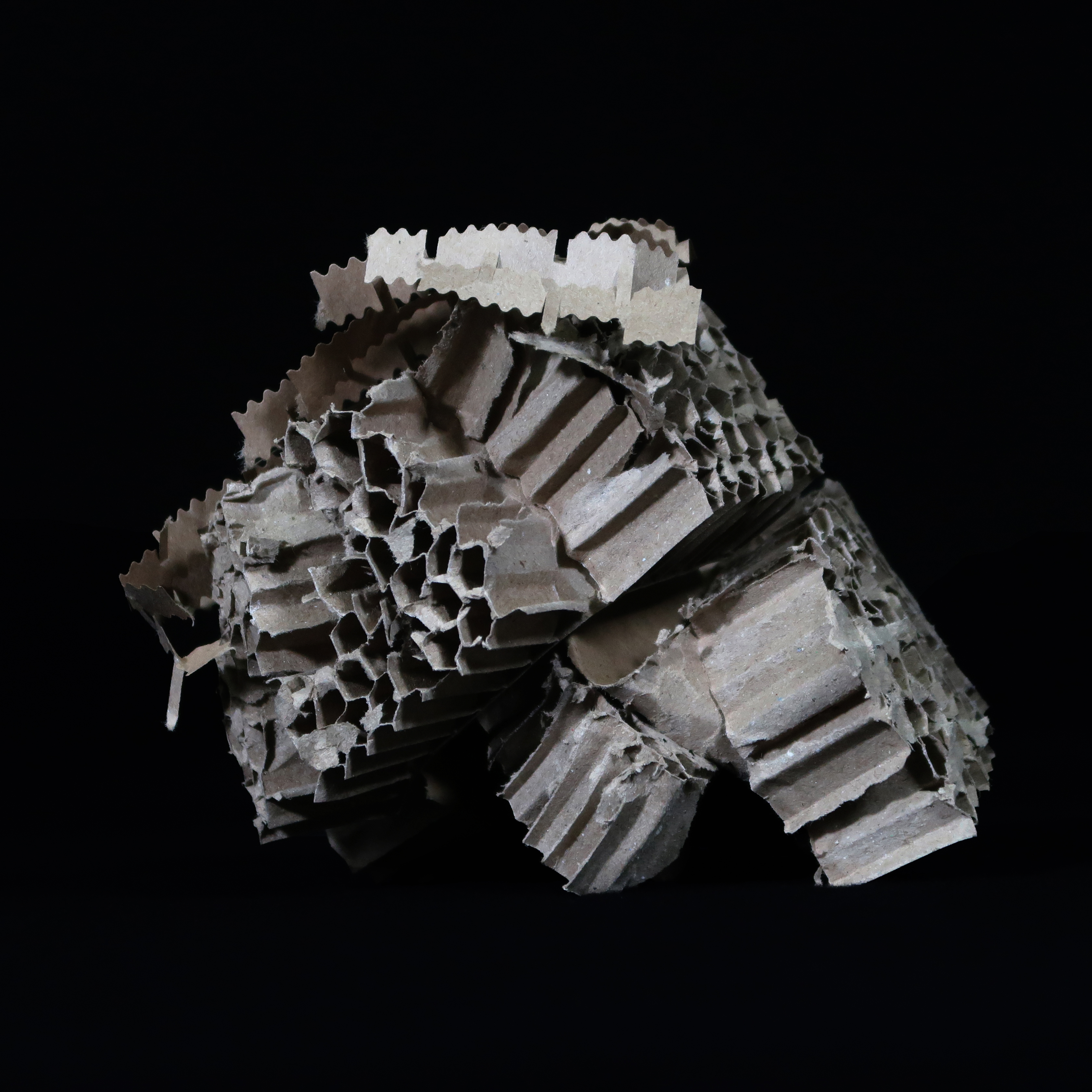
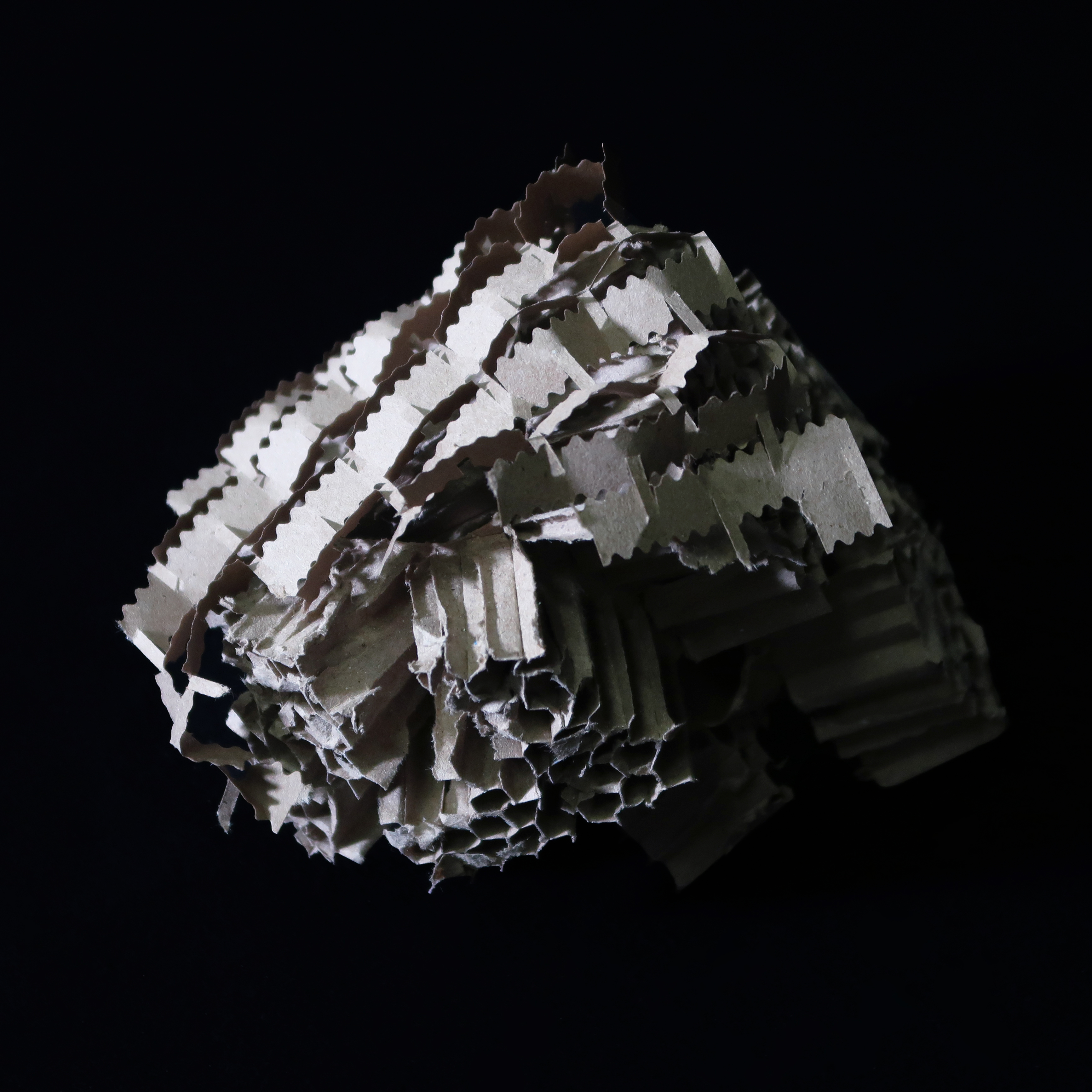
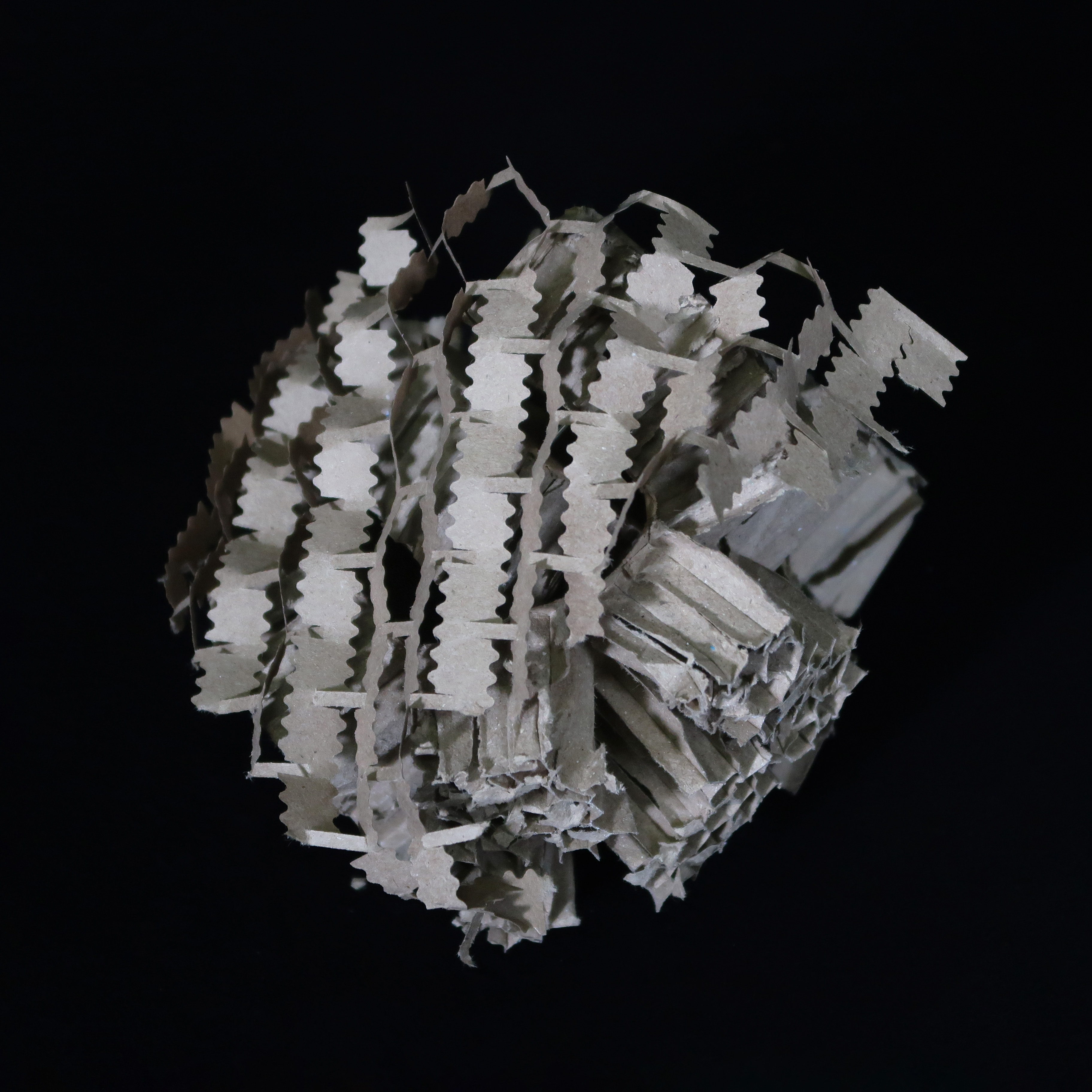
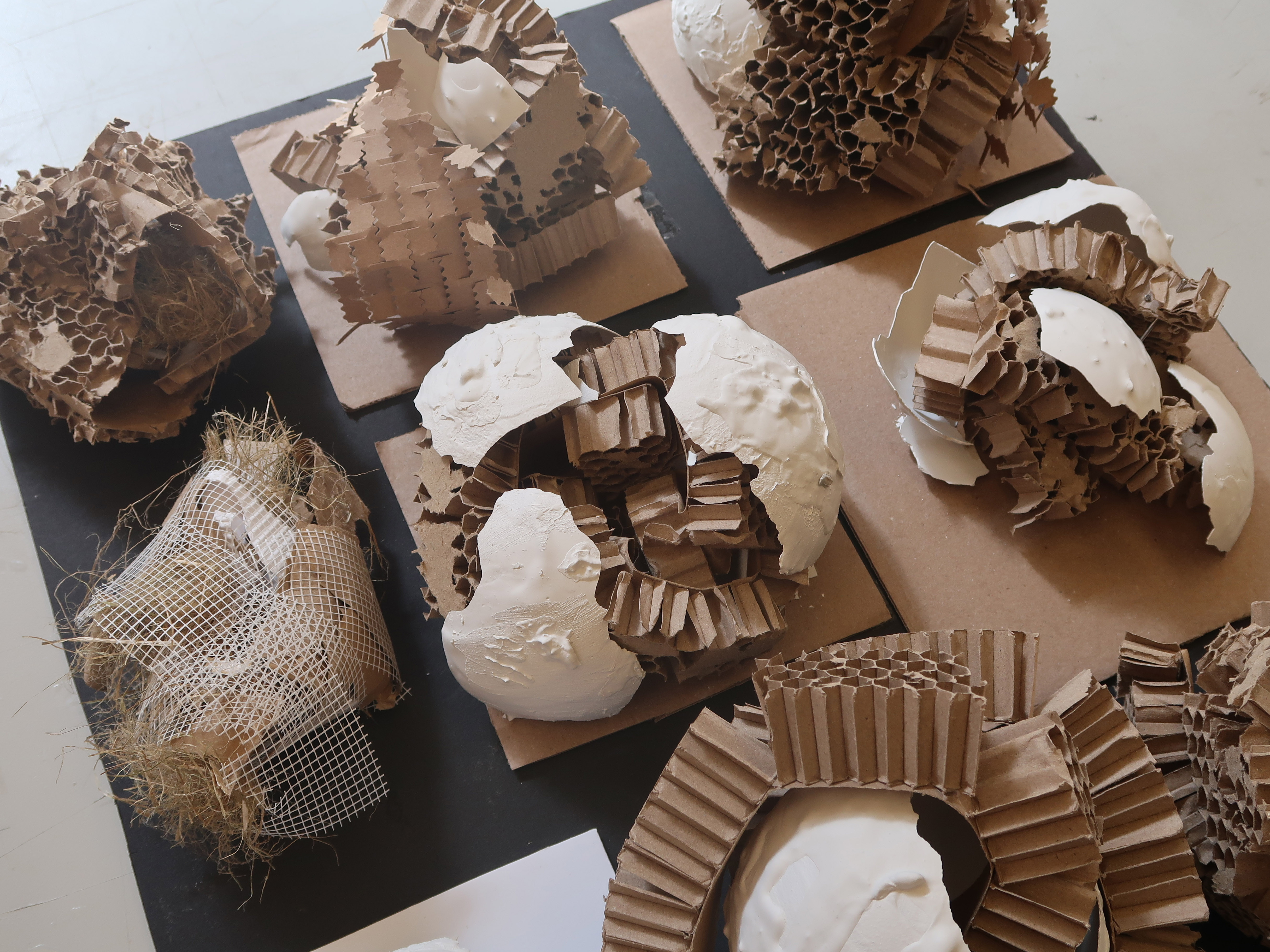
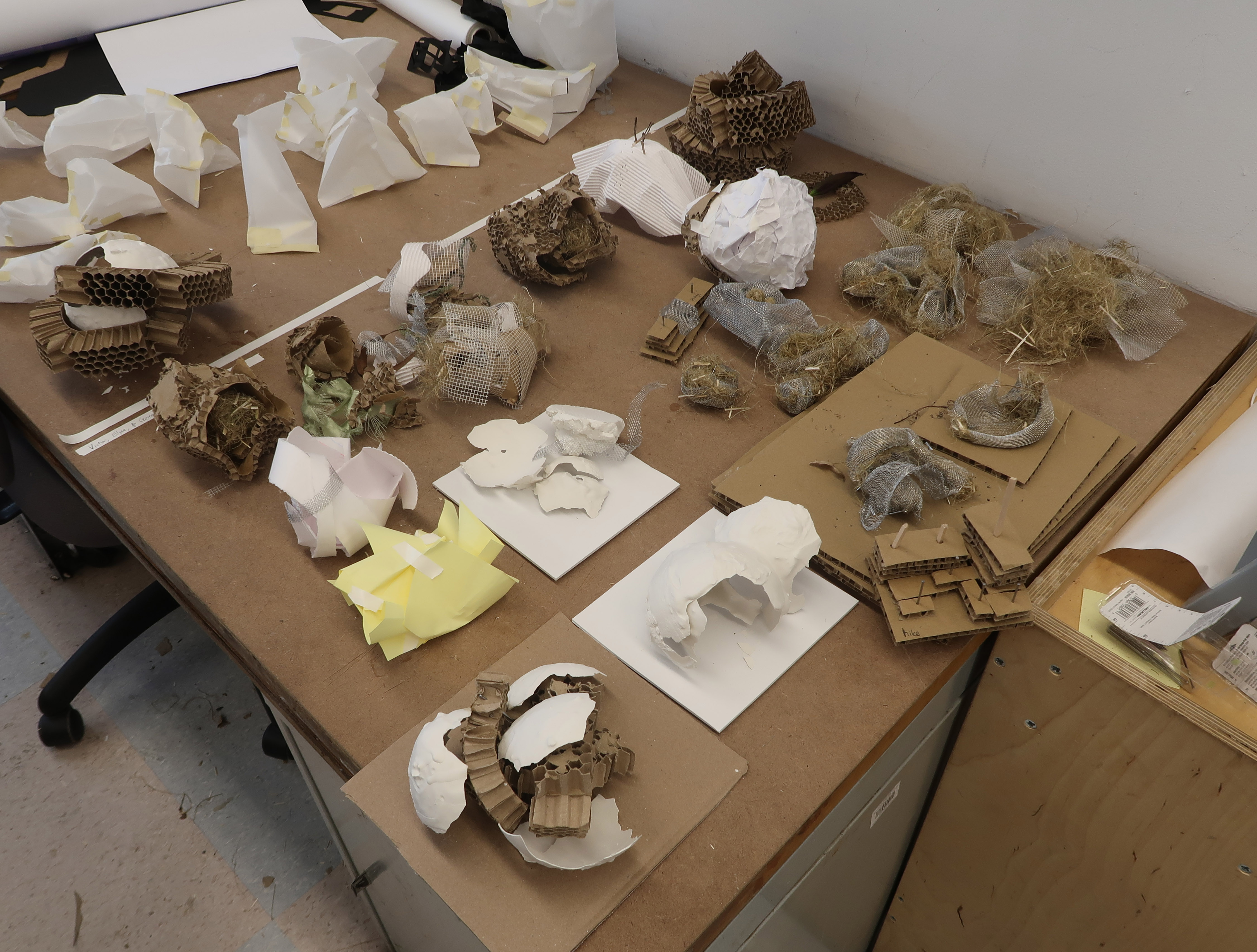
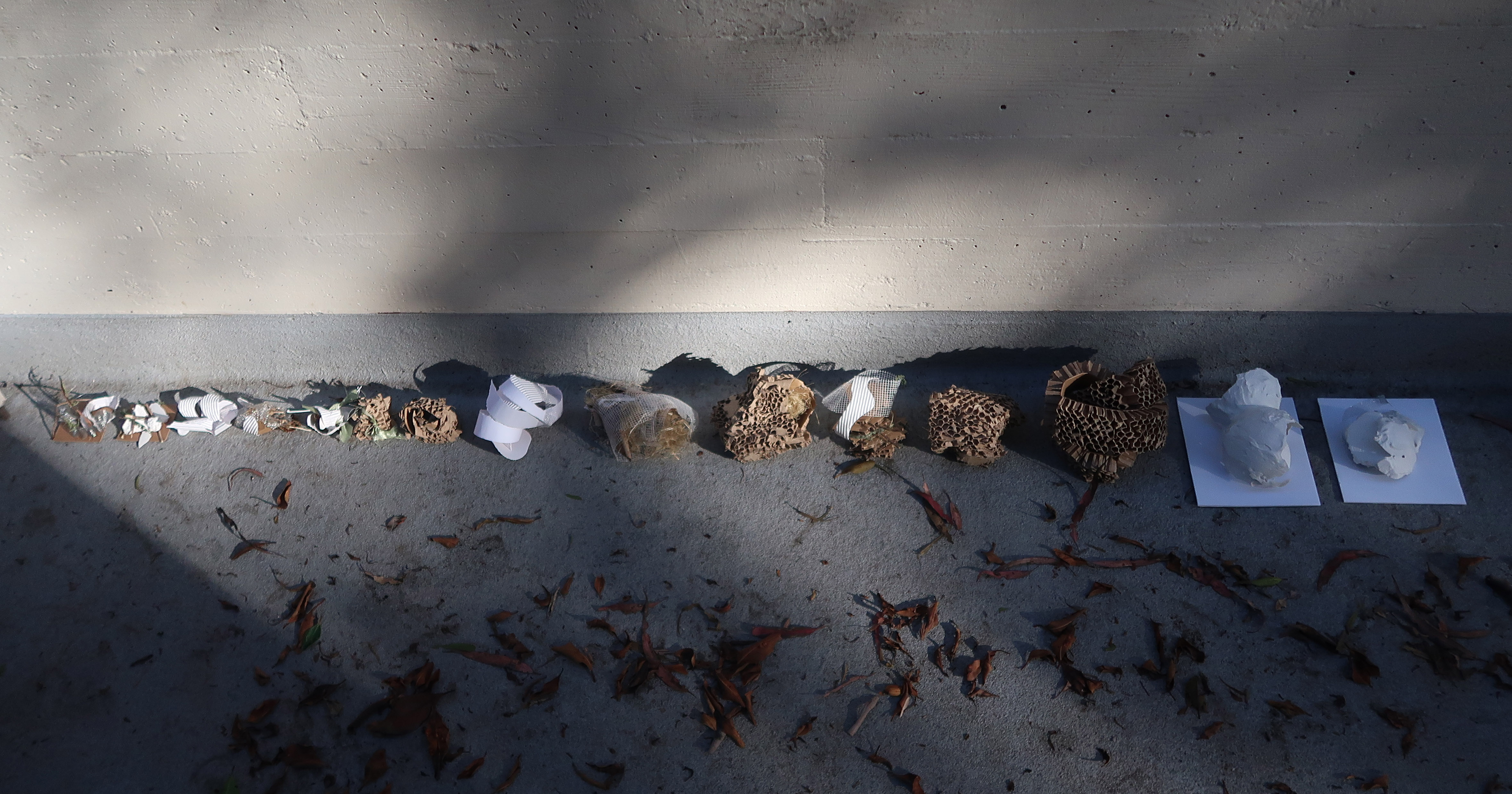
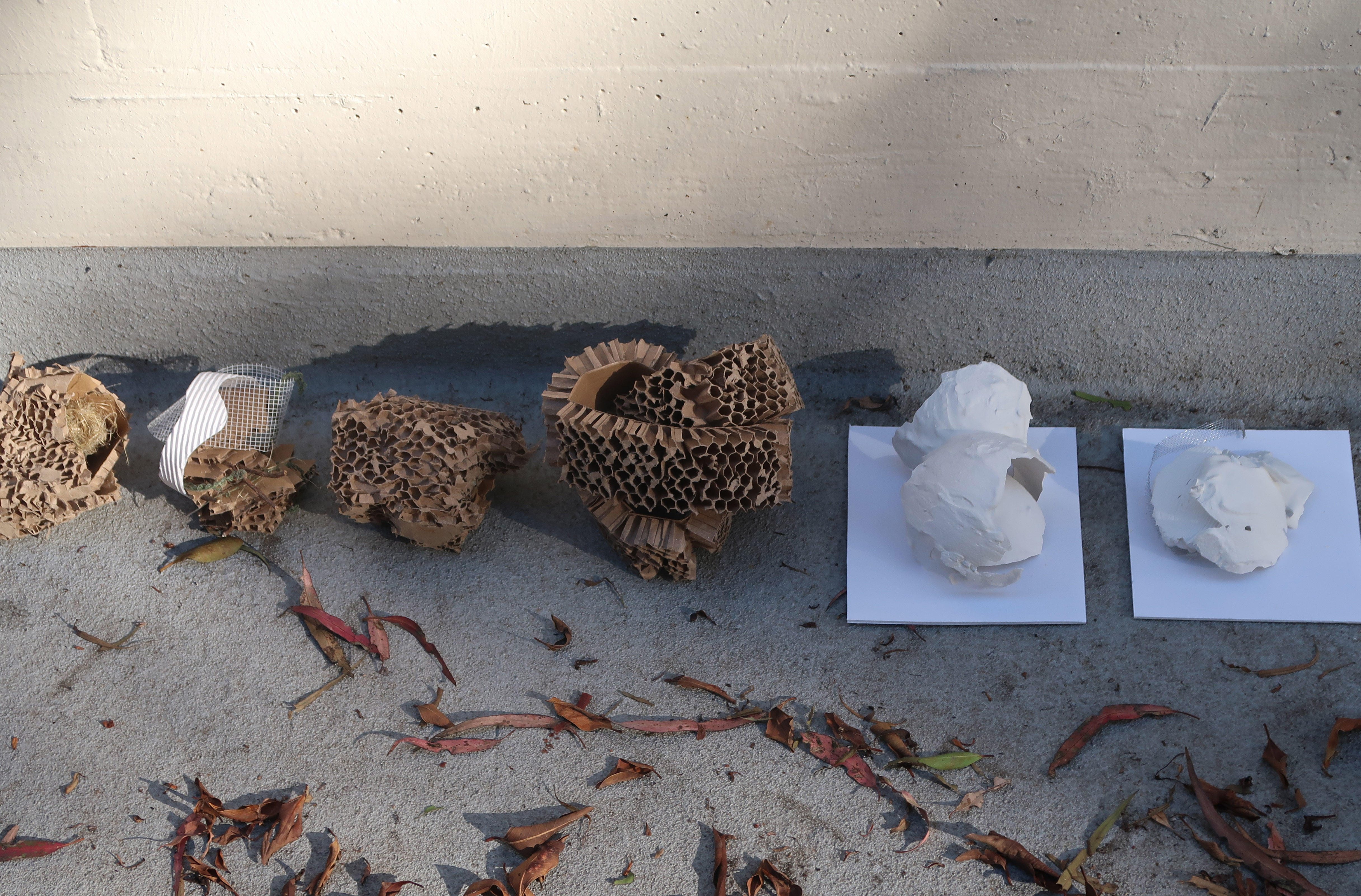
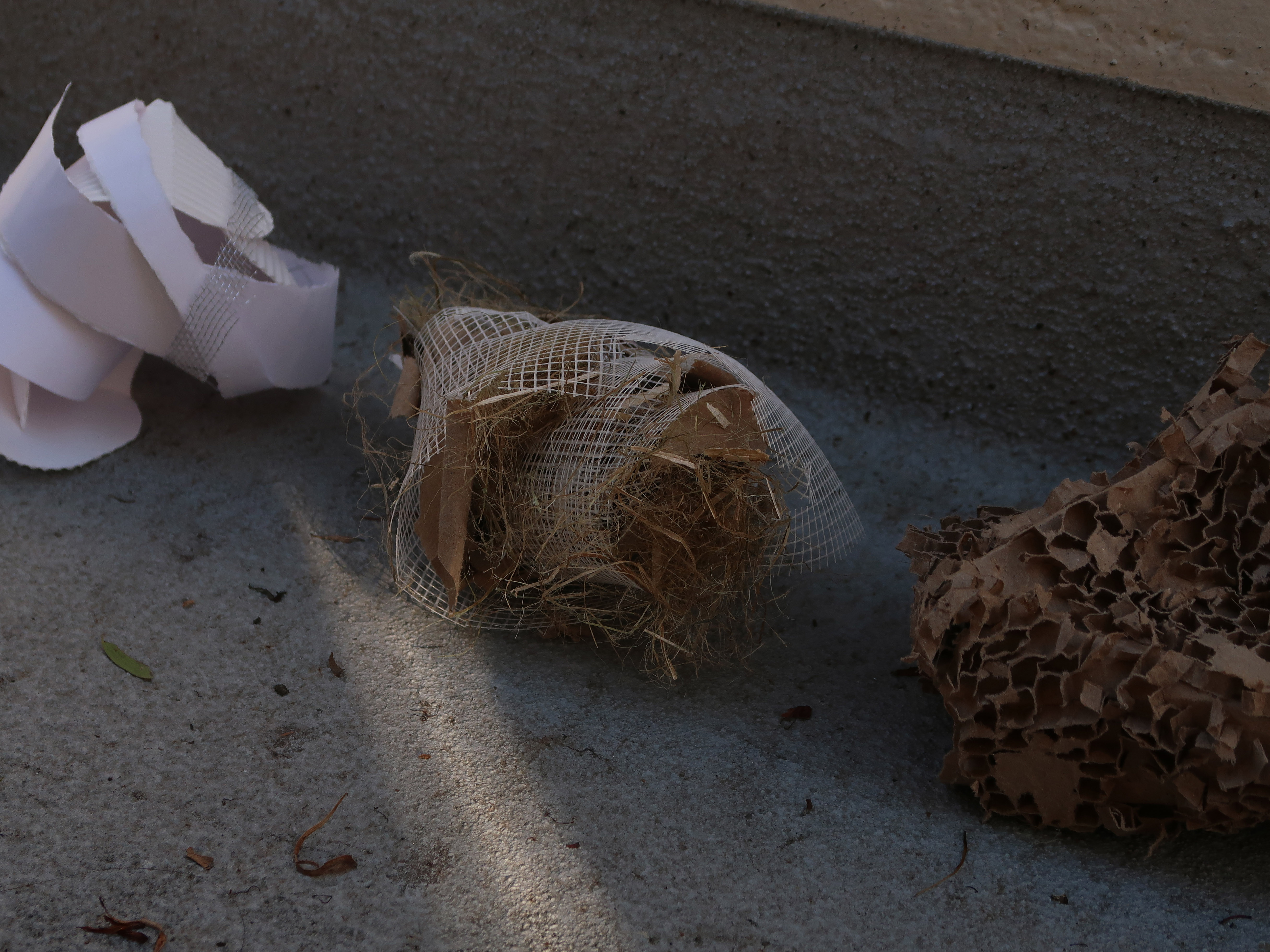
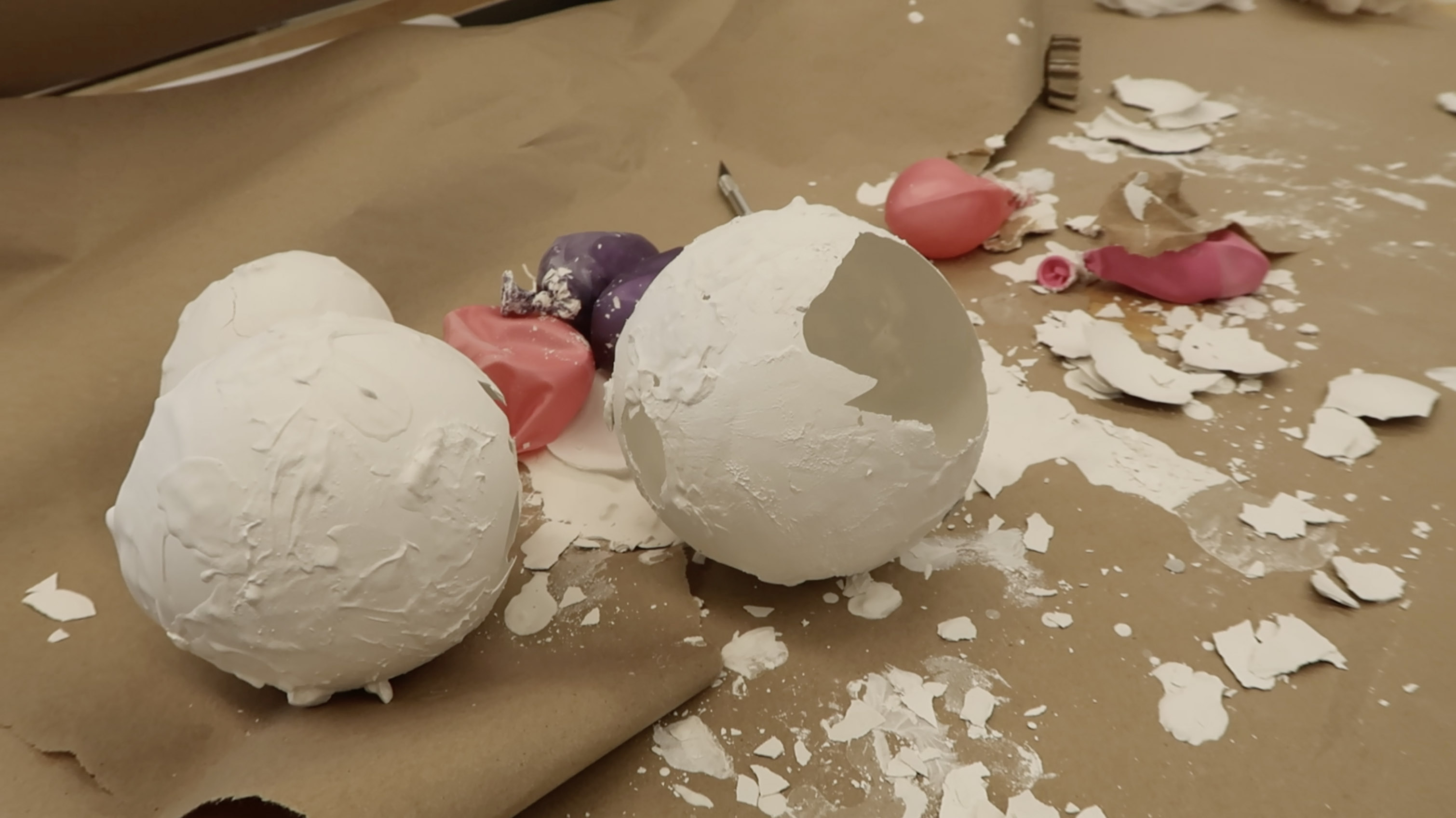
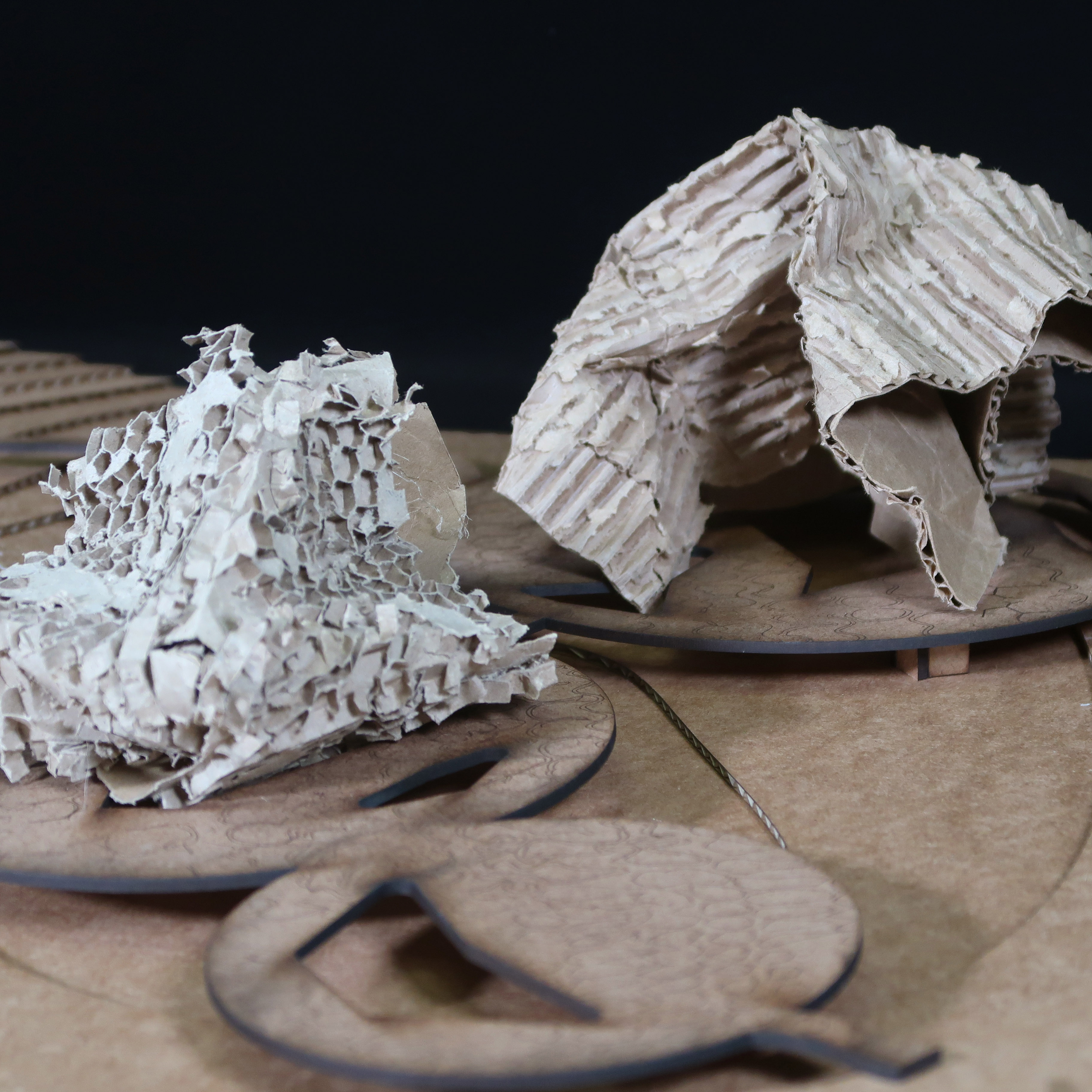
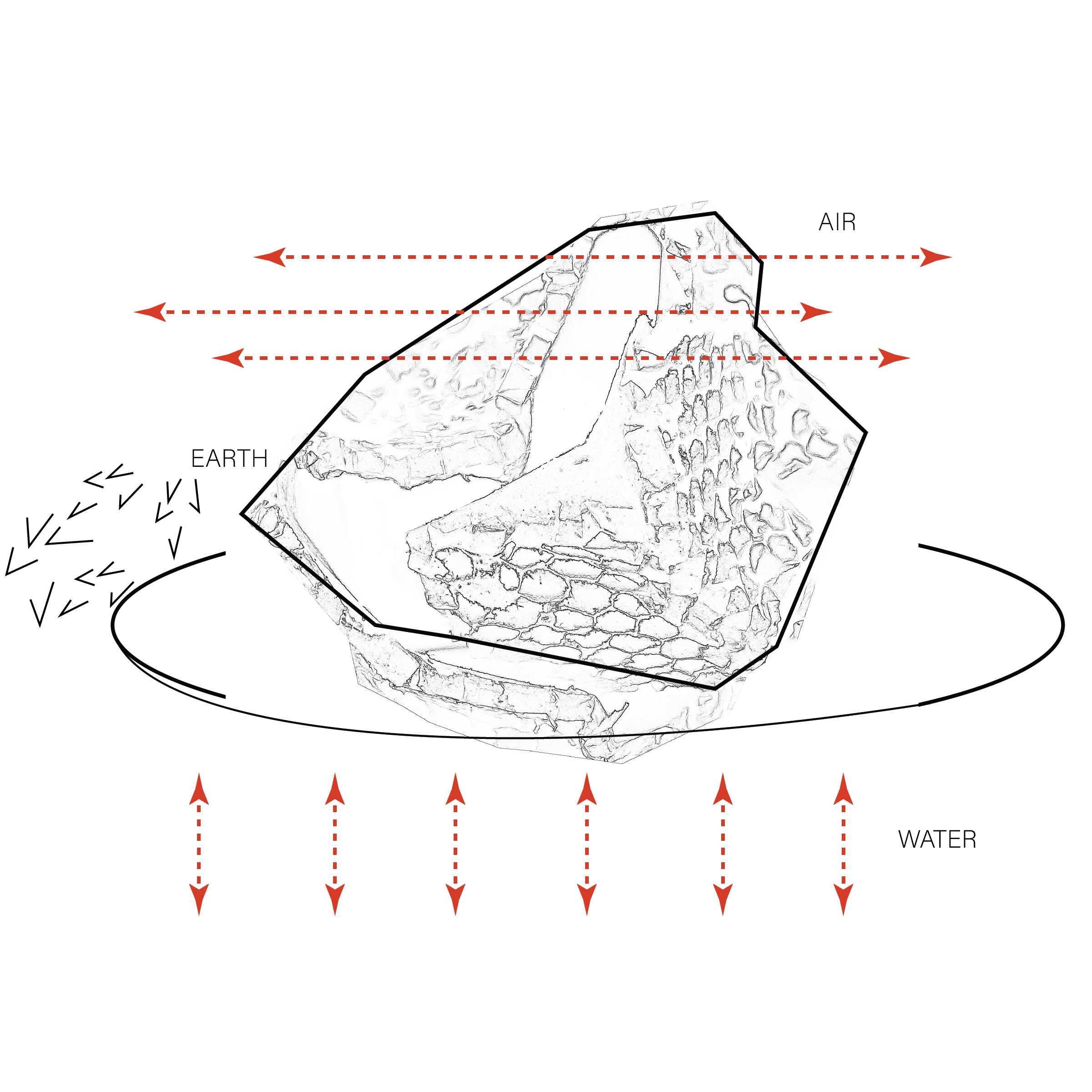
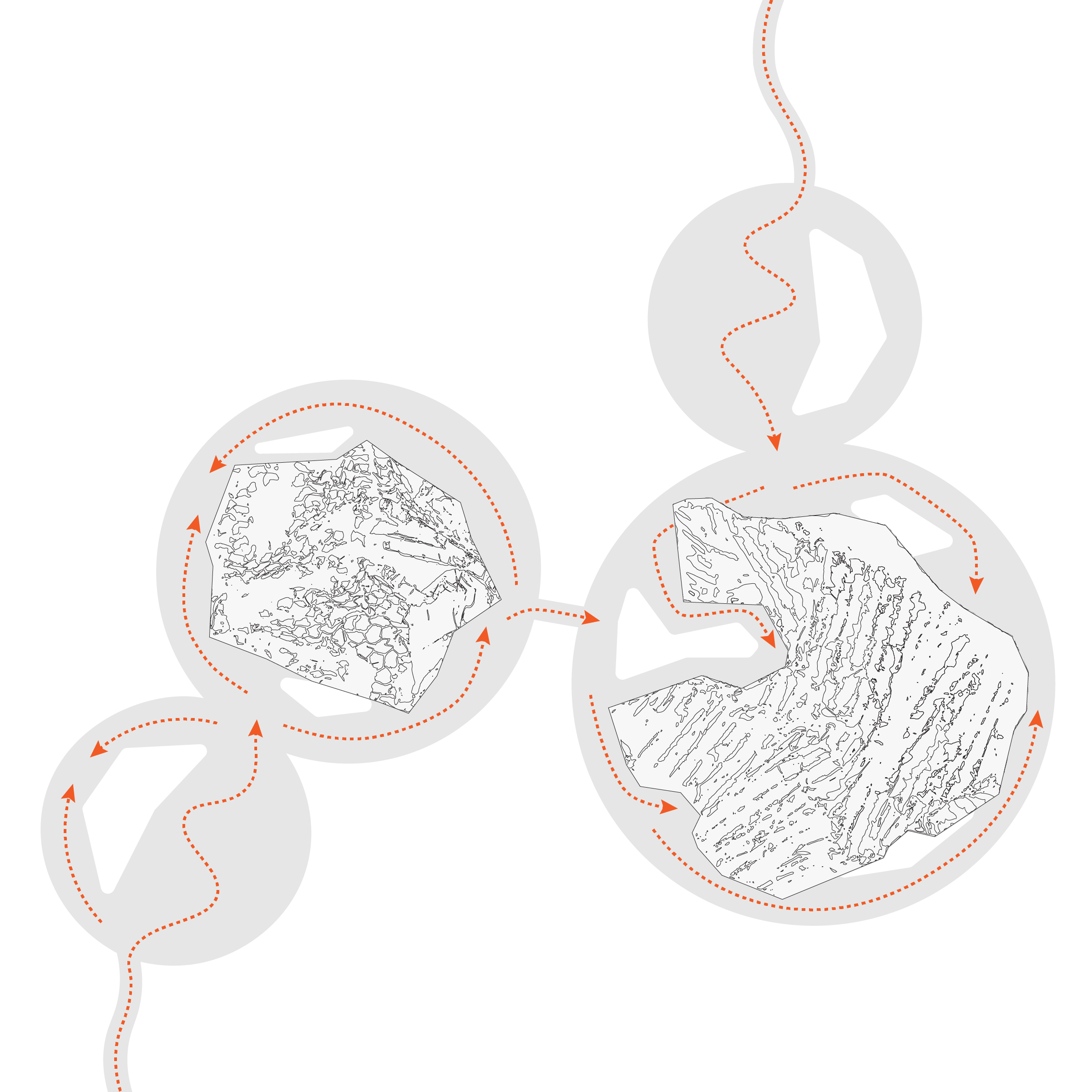
The auditorium emerges from the hexagonal geometries developed in earlier corrugated cardboard form studies. These faceted volumes create deep crevices and layered surfaces that recall natural formations while also producing acoustic depth and spatial compression. The geometry is intentionally irregular, generating micro-habitats for birds and other species to occupy the building envelope. Here, architectural complexity becomes ecological opportunity.
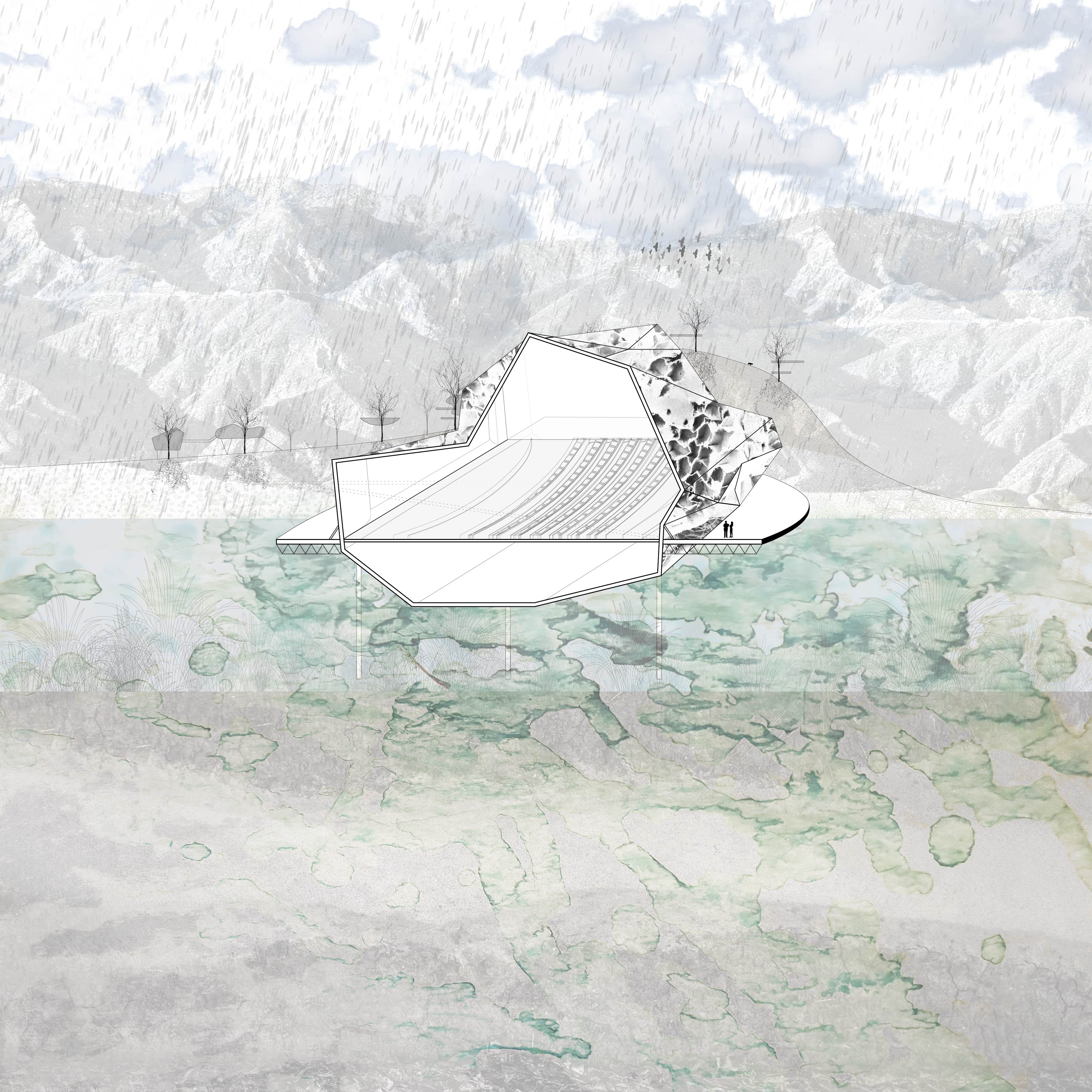
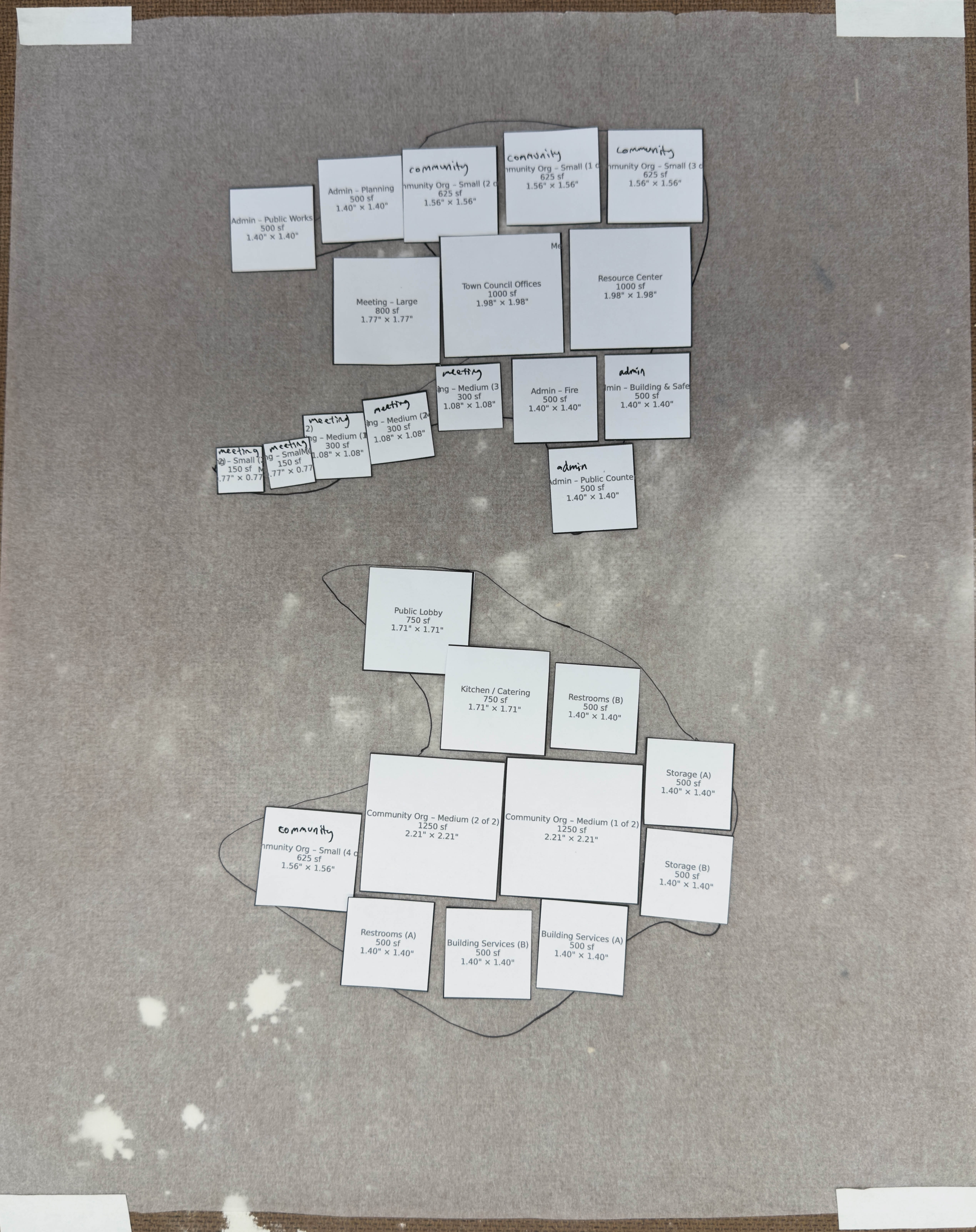
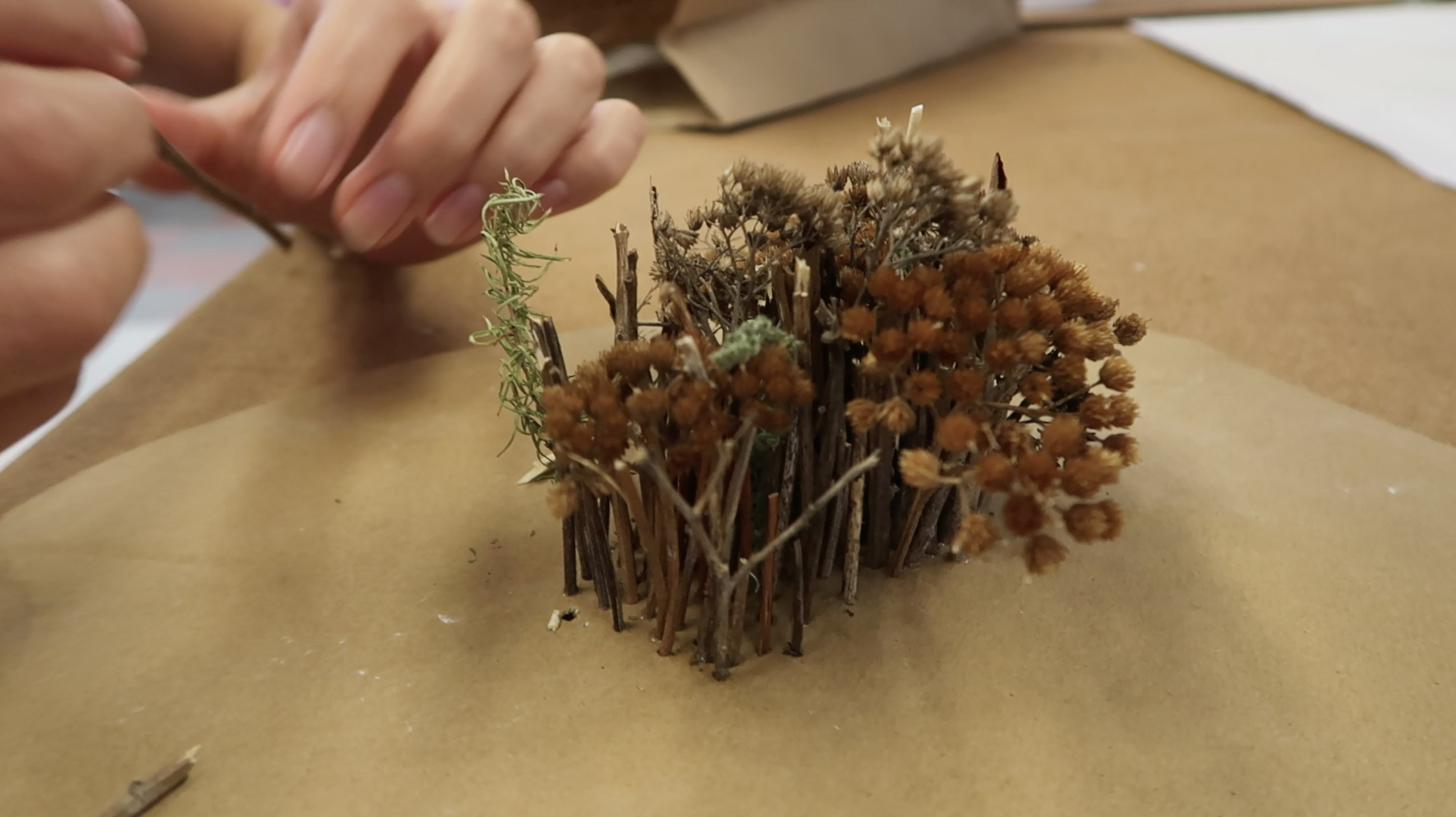
In contrast, the City Hall adopts a more rigid, linear logic, derived from the straight corrugated cardboard textures explored in earlier iterations. This formal clarity reflects the administrative nature of the program, while still allowing for porous edges and environmental engagement. Together, the two buildings operate as complementary artifacts, one expressive and irregular, the other structured and civic, linked by shared circulation and landscape.
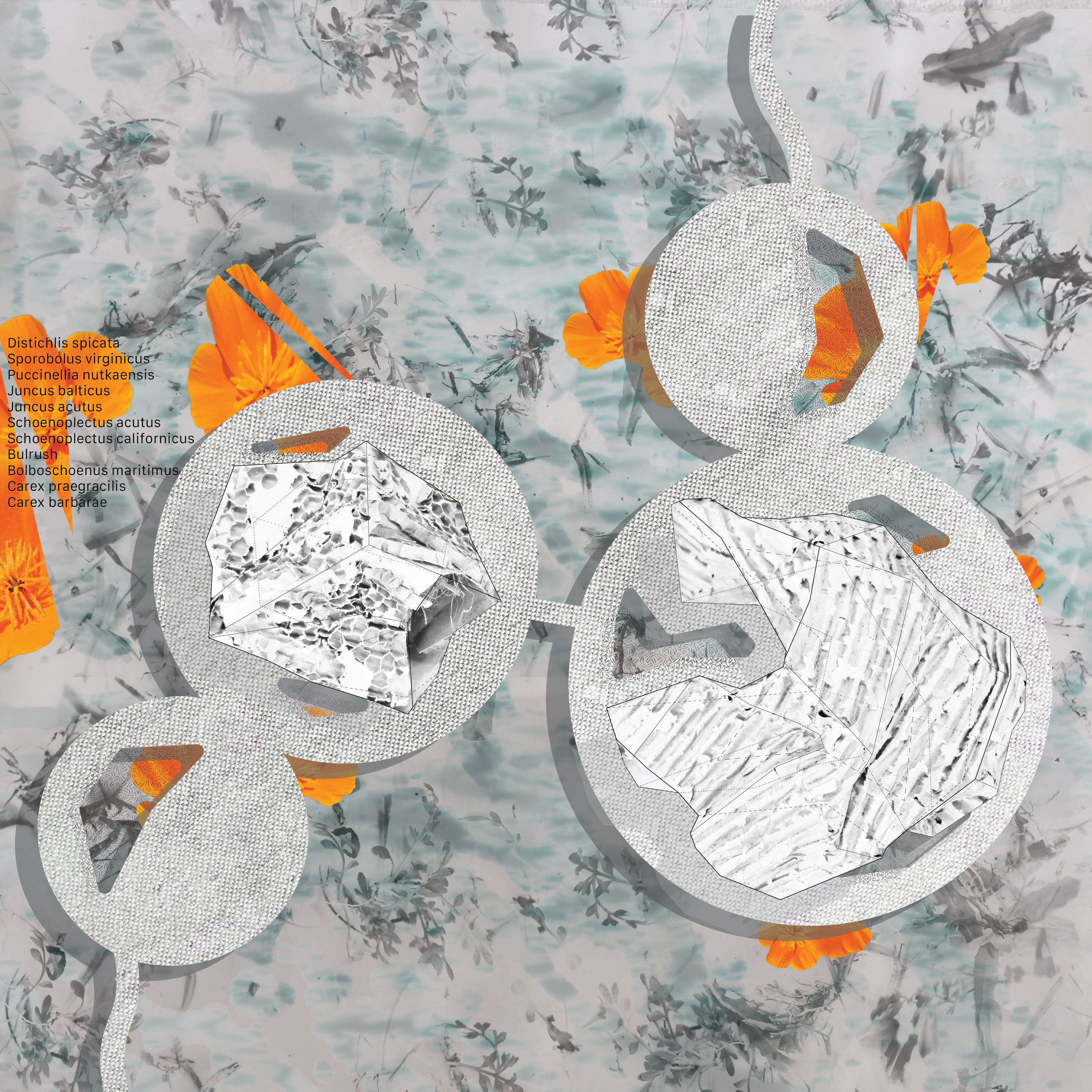
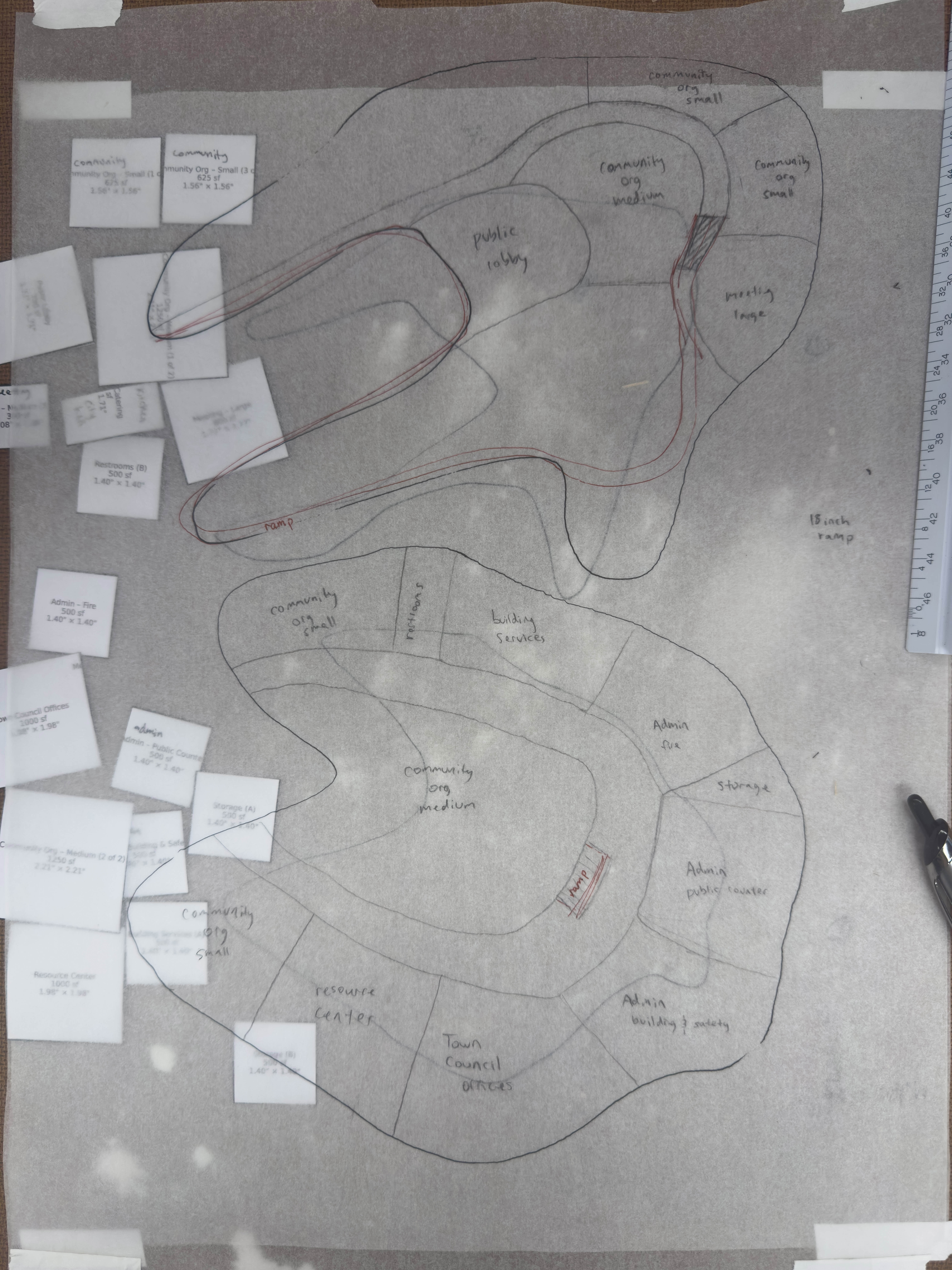
Exterior ramps wrap both volumes, creating a continuous public promenade that connects multiple floor levels without relying on interior thresholds alone. As visitors move upward and downward, they remain visually and physically connected to the wetland, the plaza, and each other. Circulation becomes a spatial experience rather than a functional necessity.

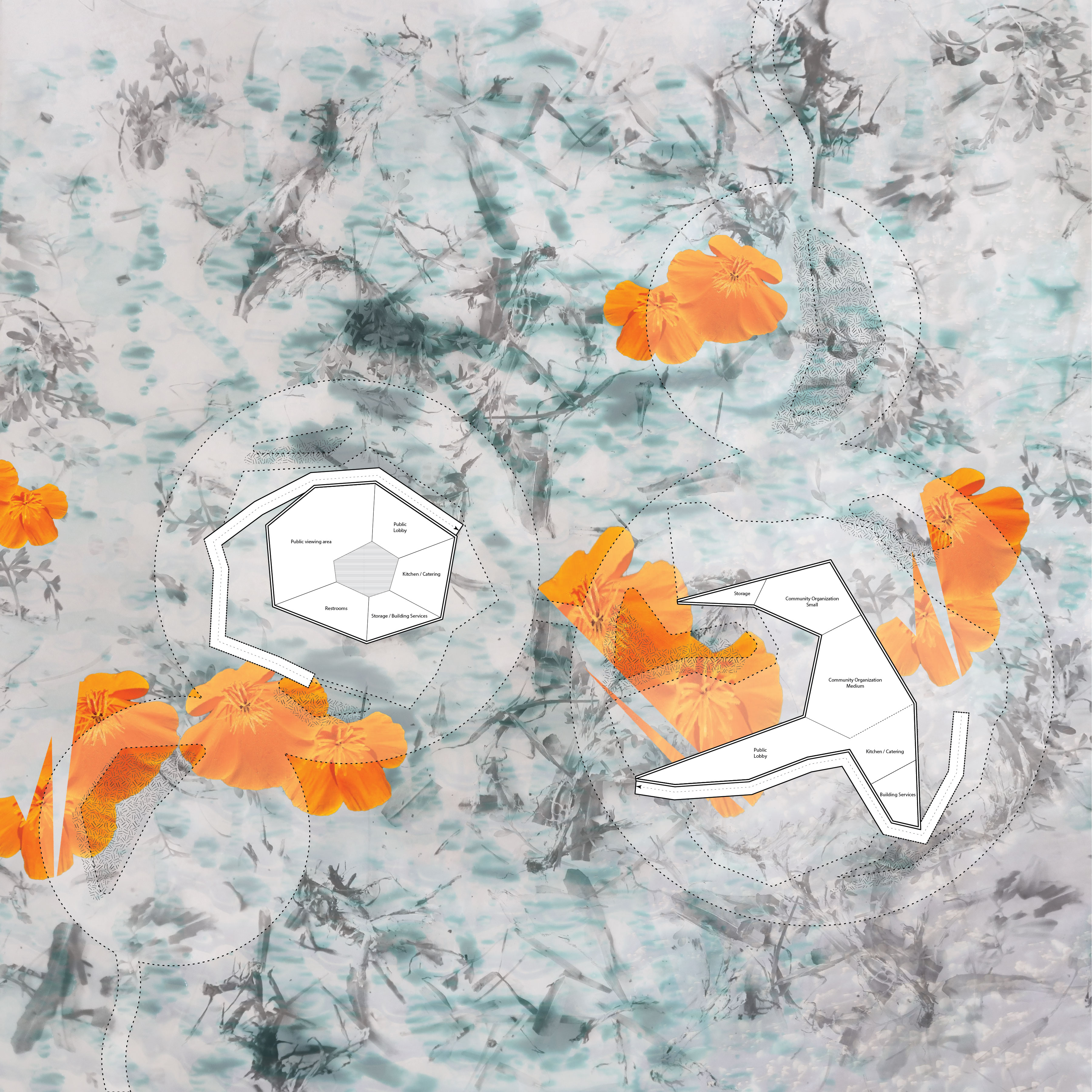
By integrating civic space with ecological systems, can shift our relationship to nature, from one of control to one of coexistence. Can a City Hall that floods, reveals, and adapts make us feel more connected to the wildlife, plants, and animal species that share the city with us?
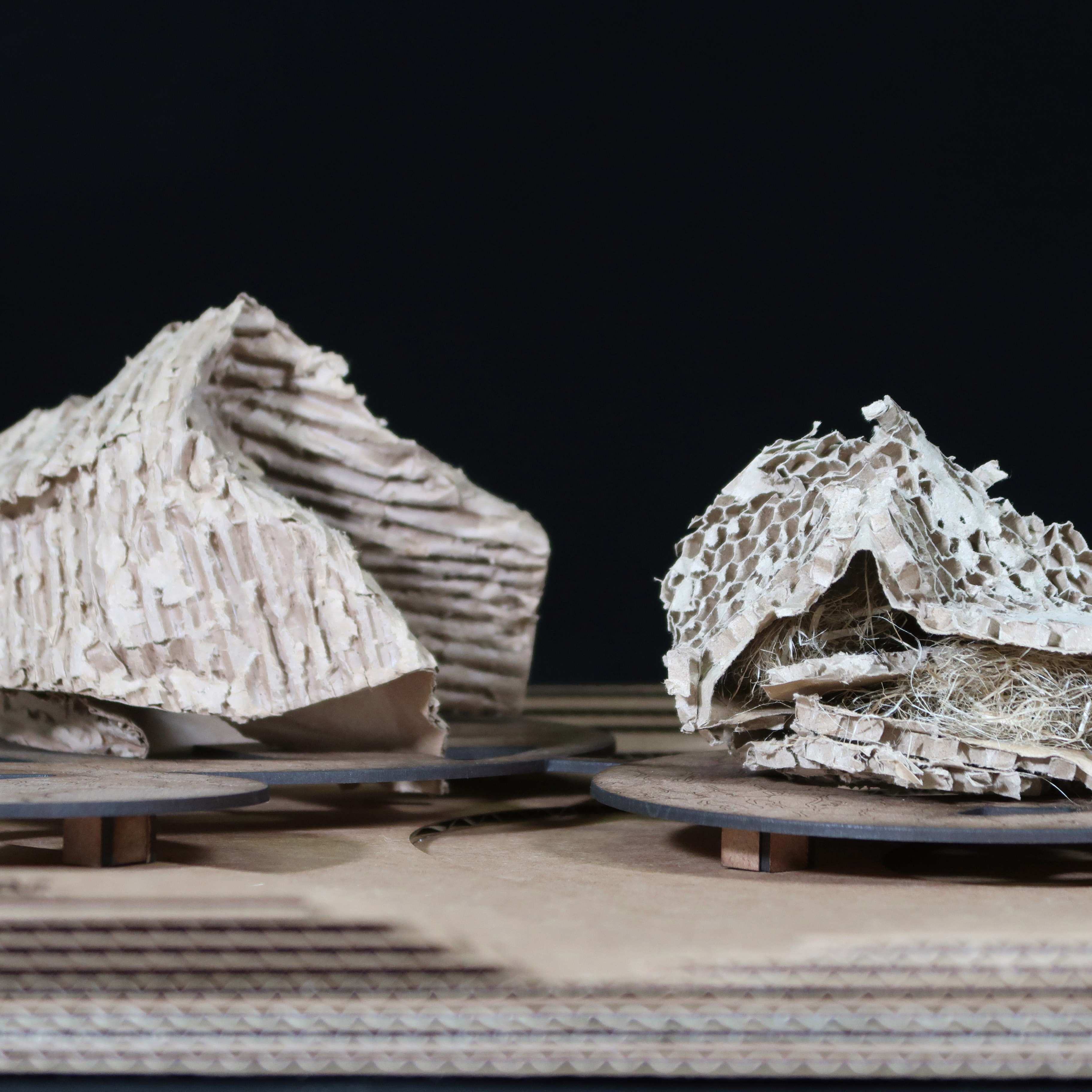
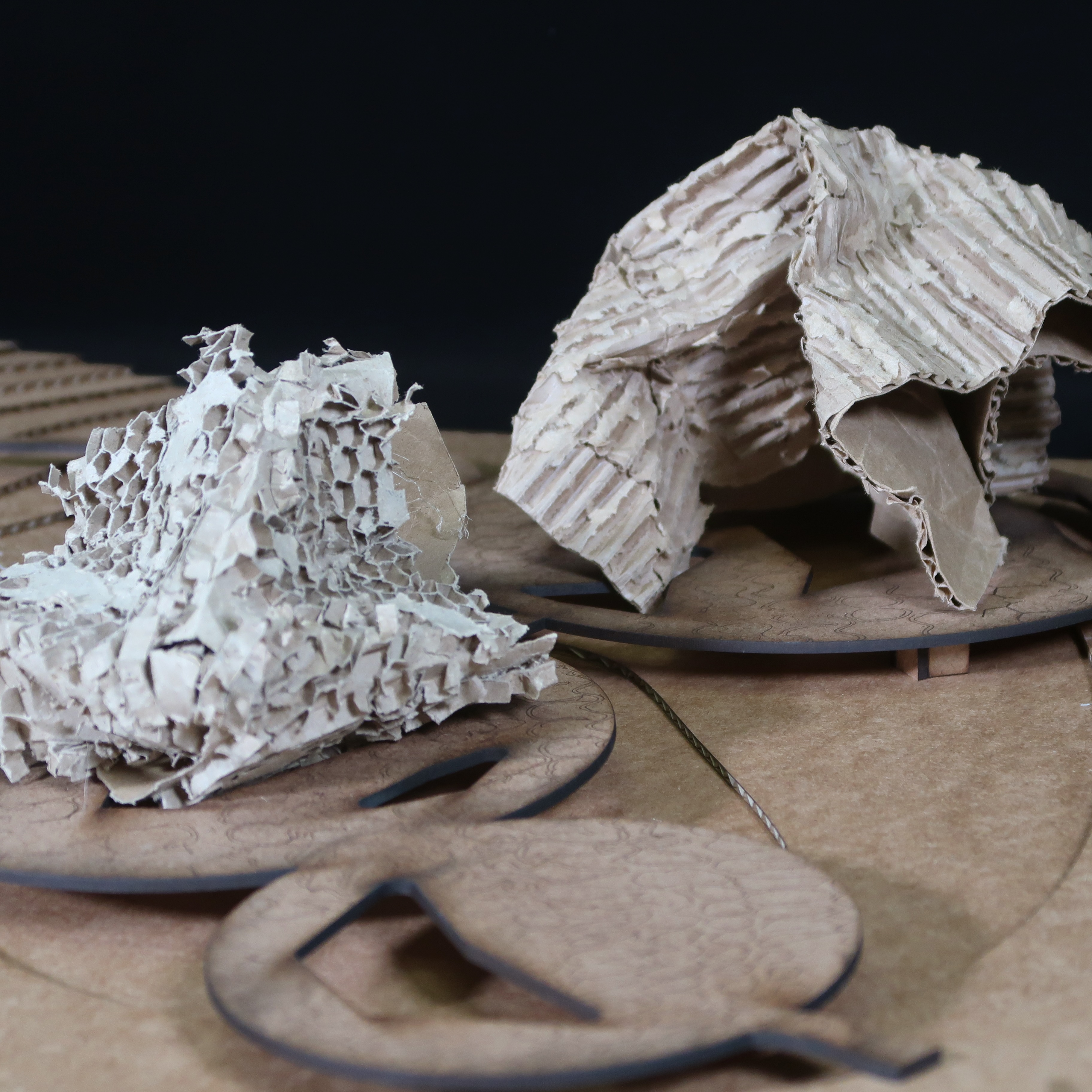
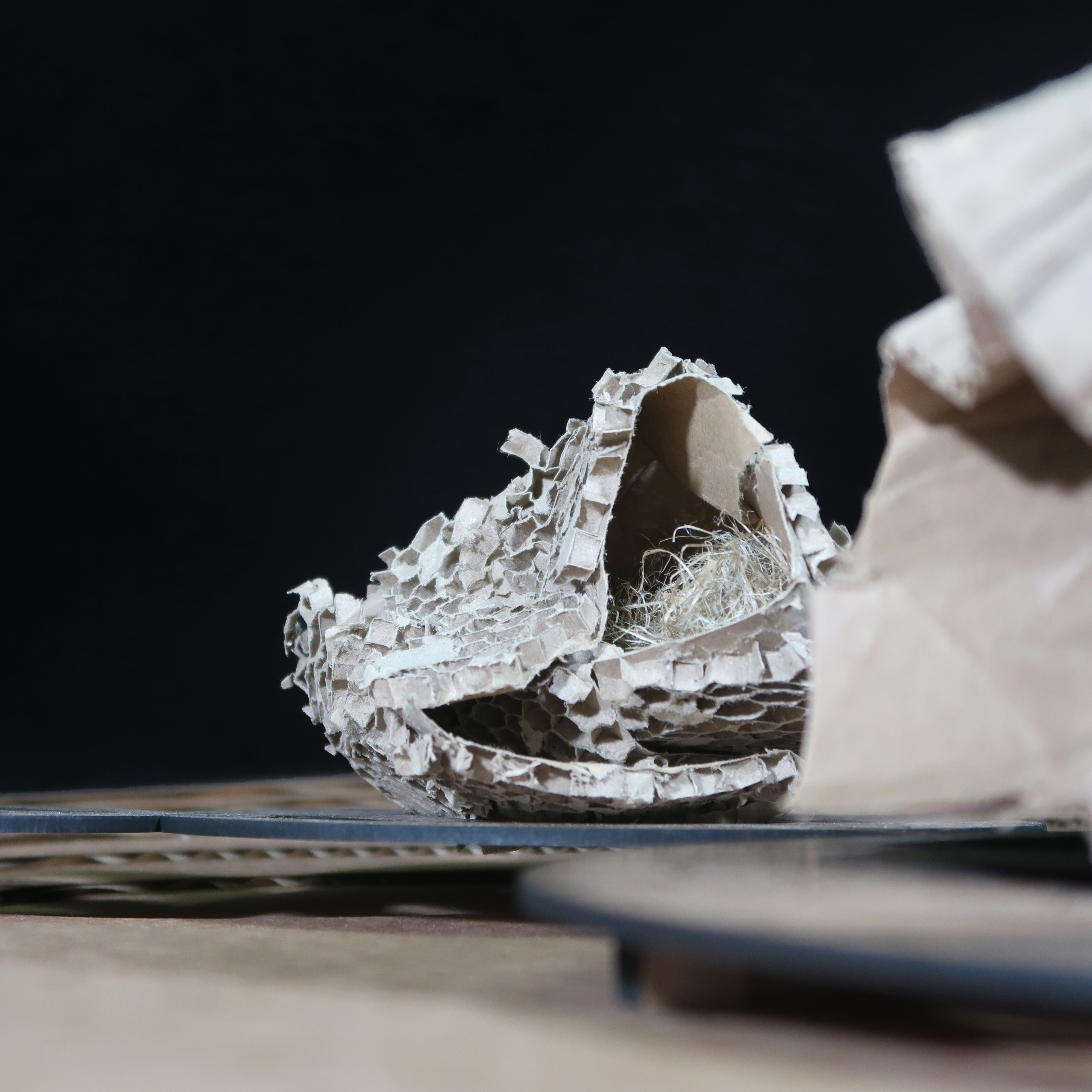
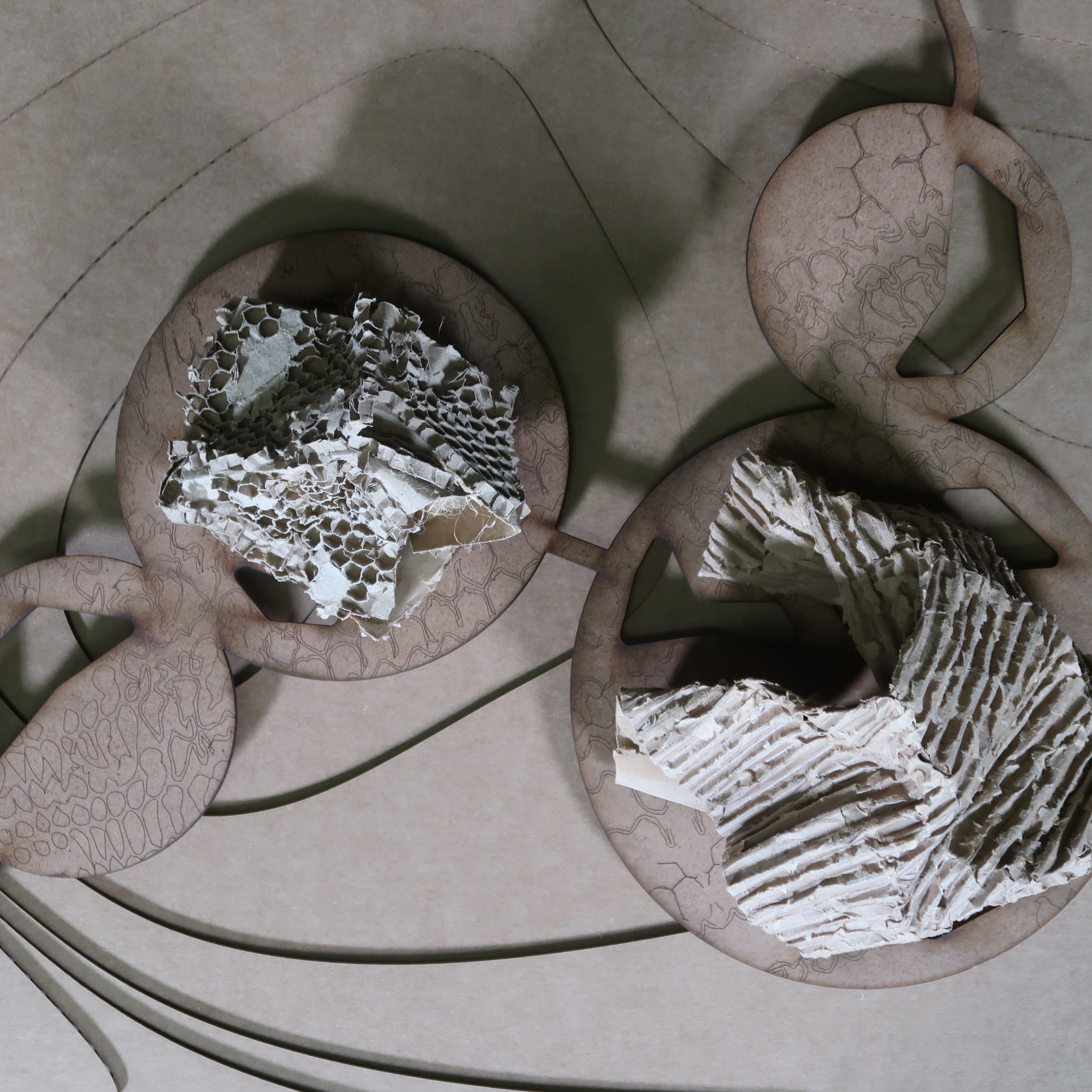
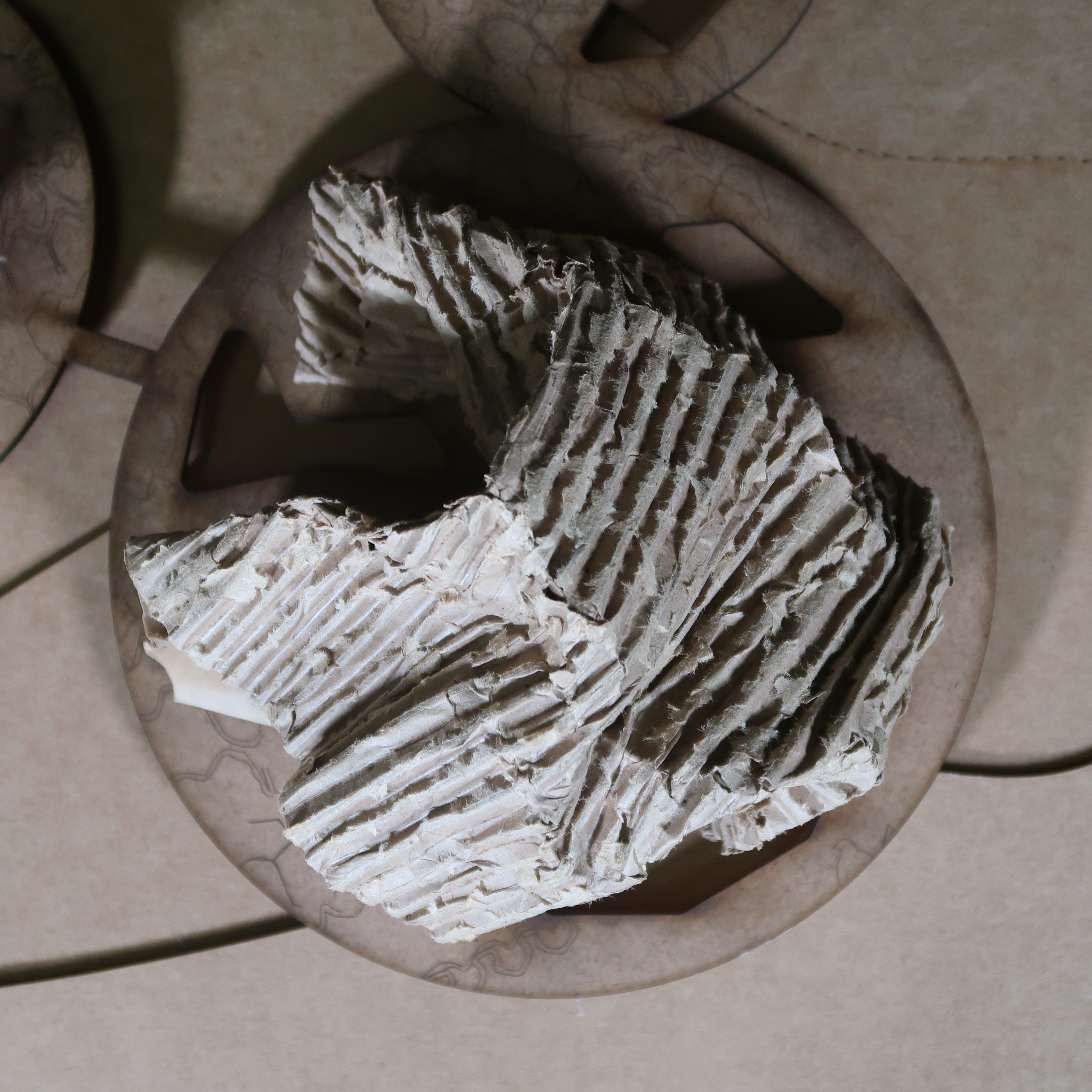
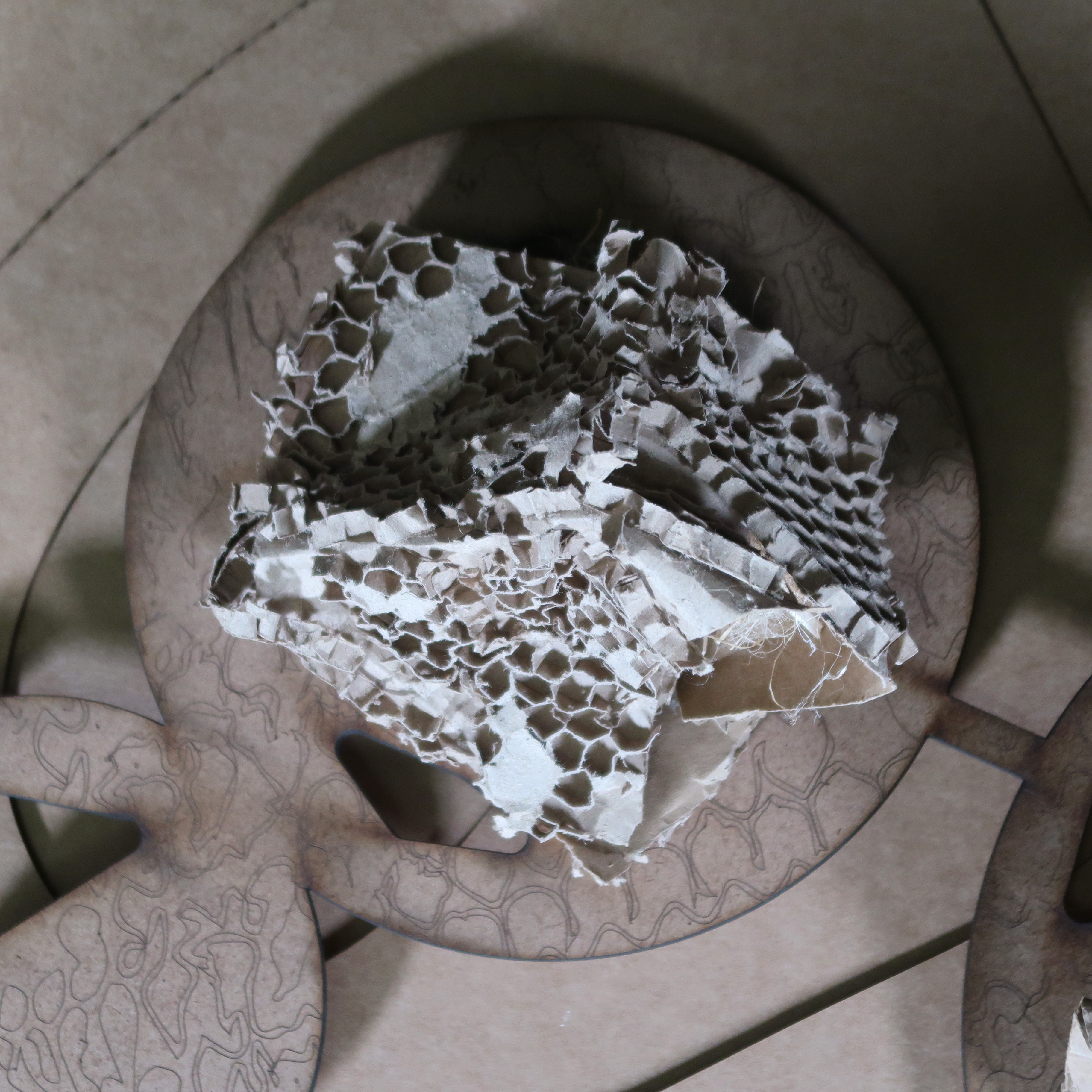
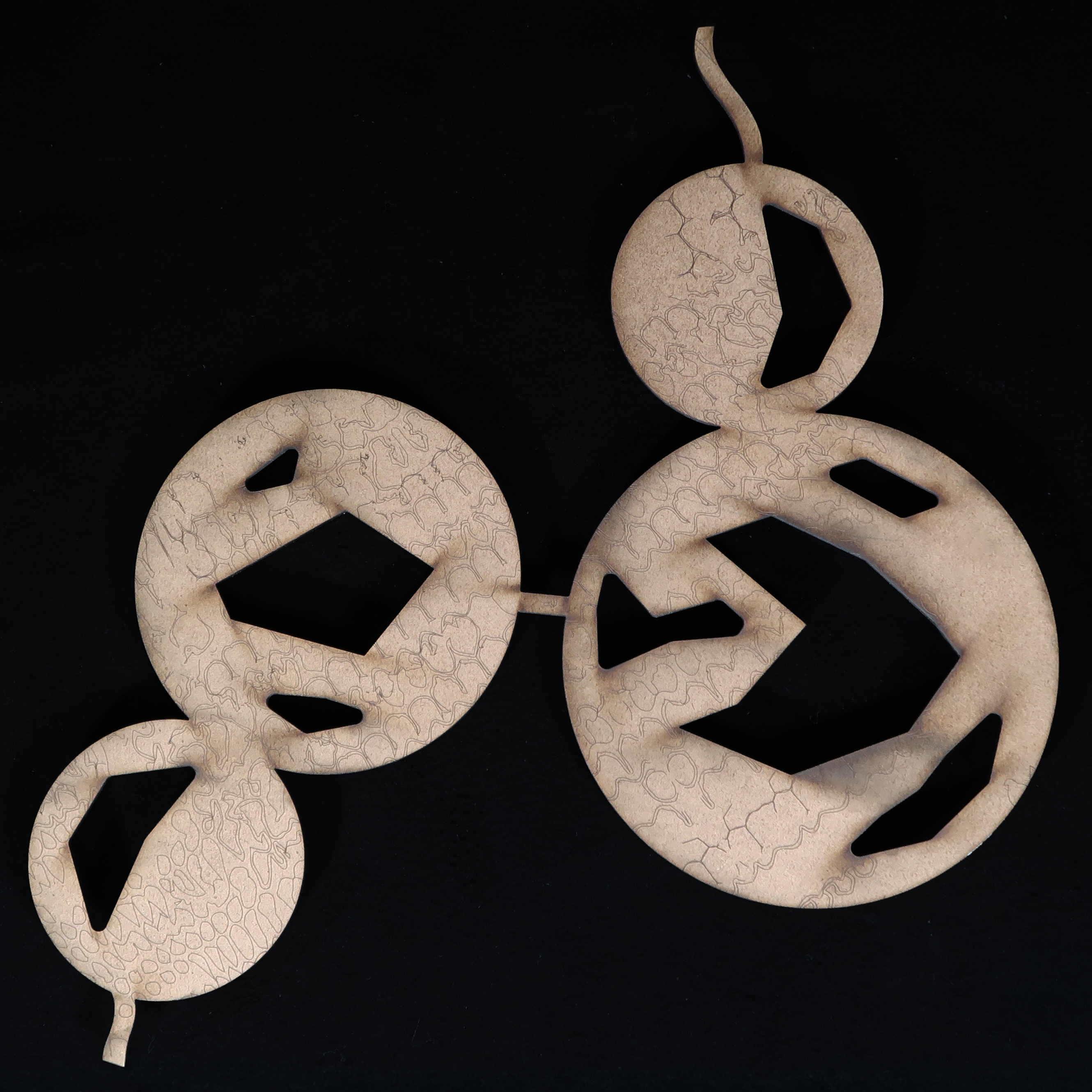
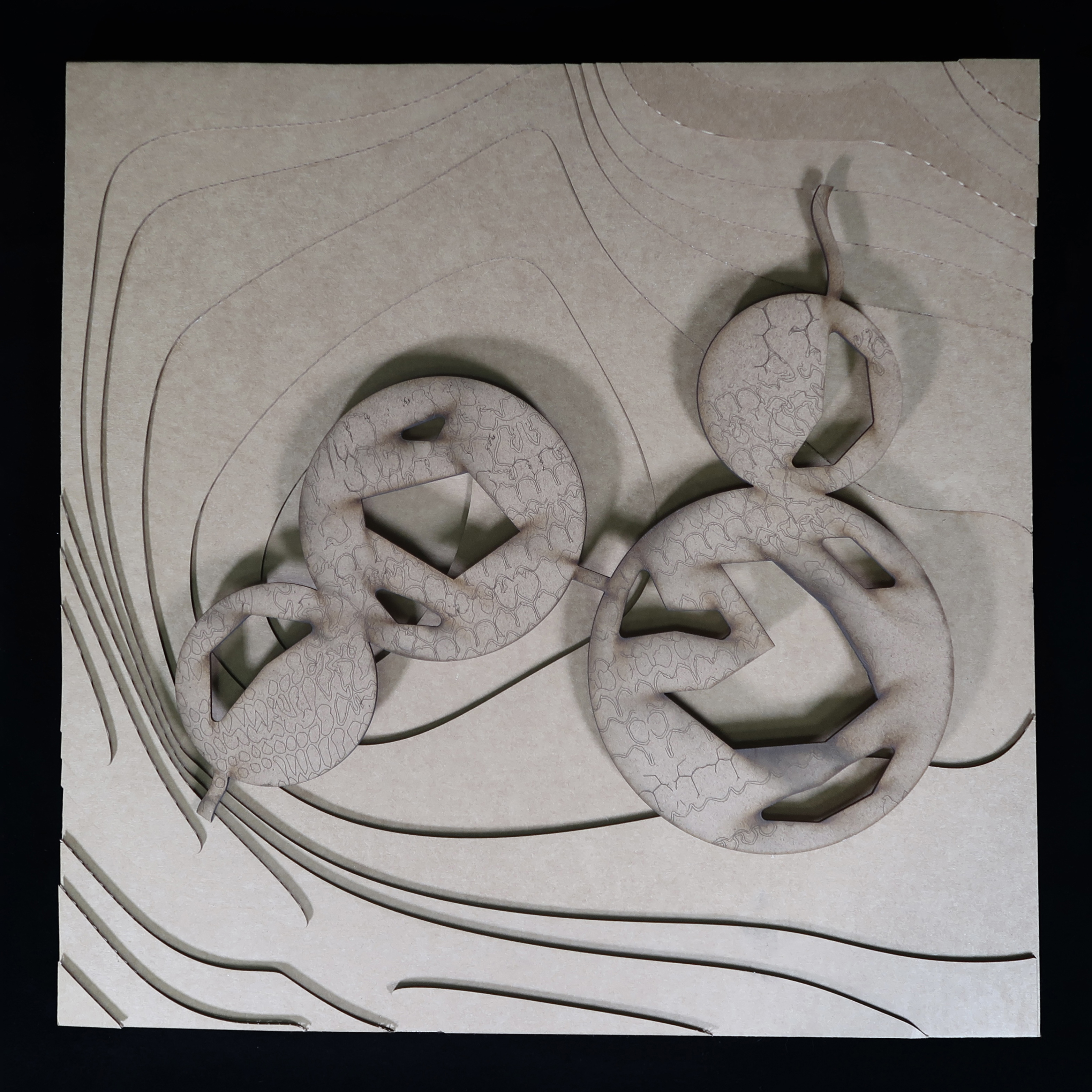
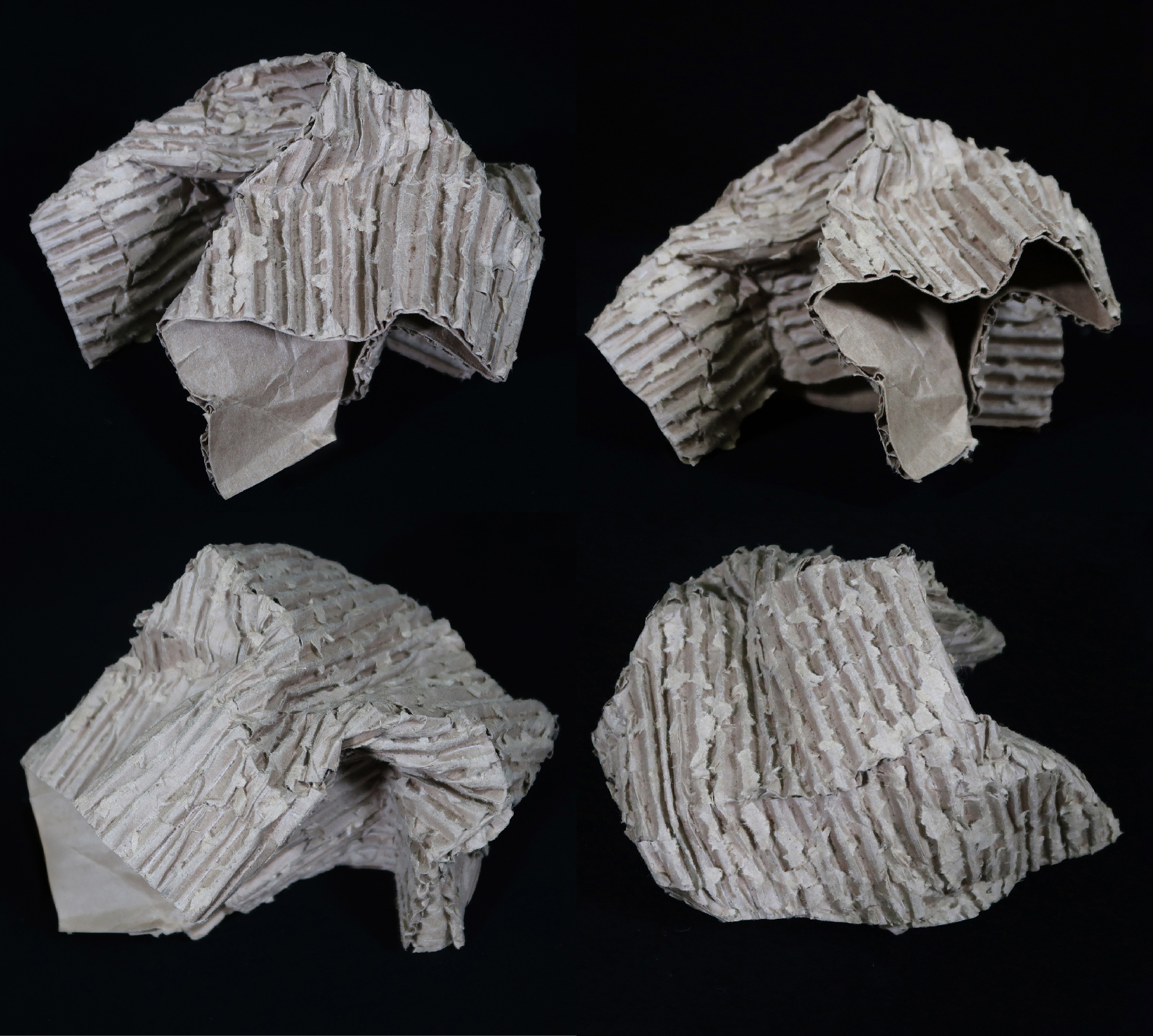
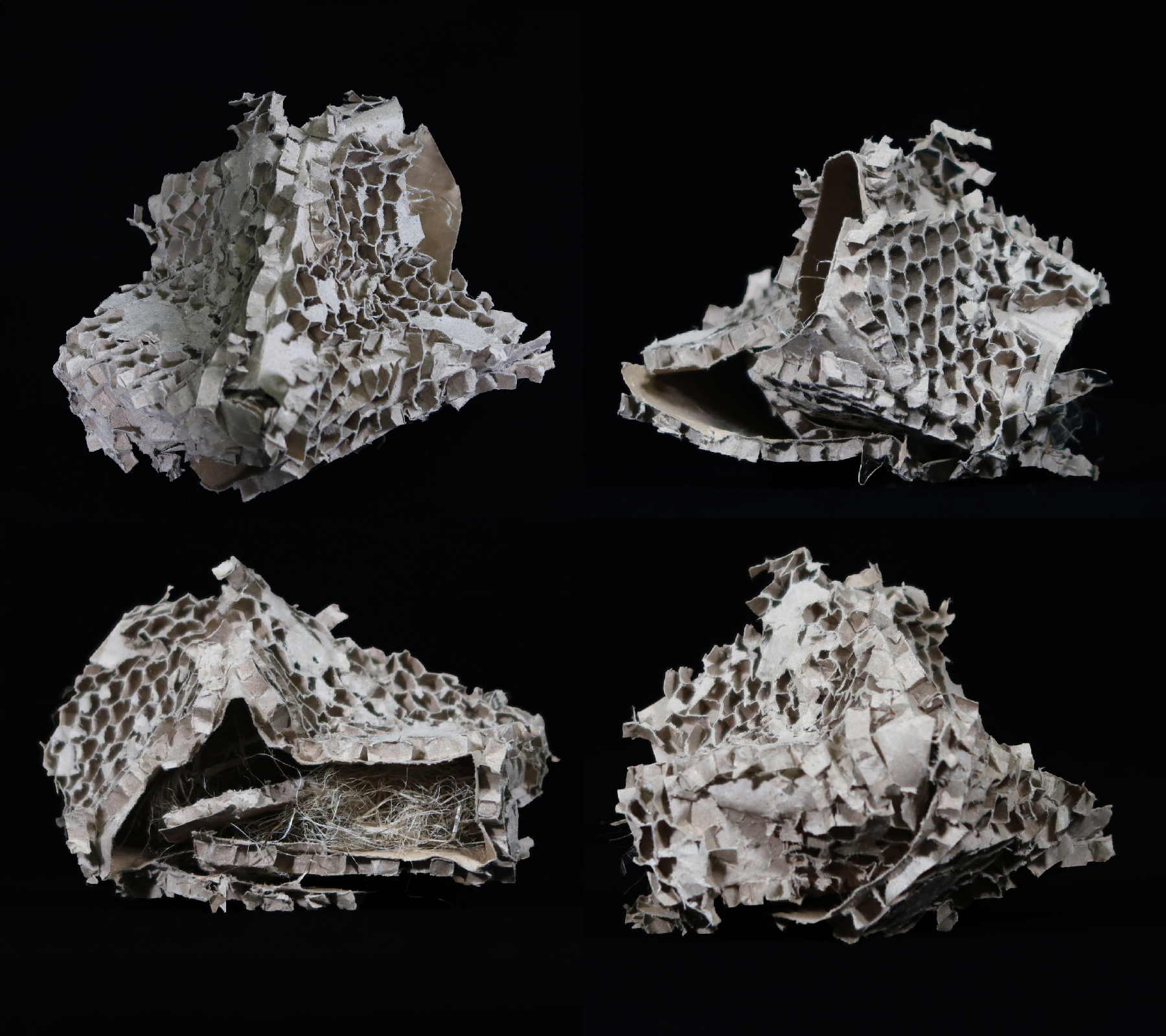
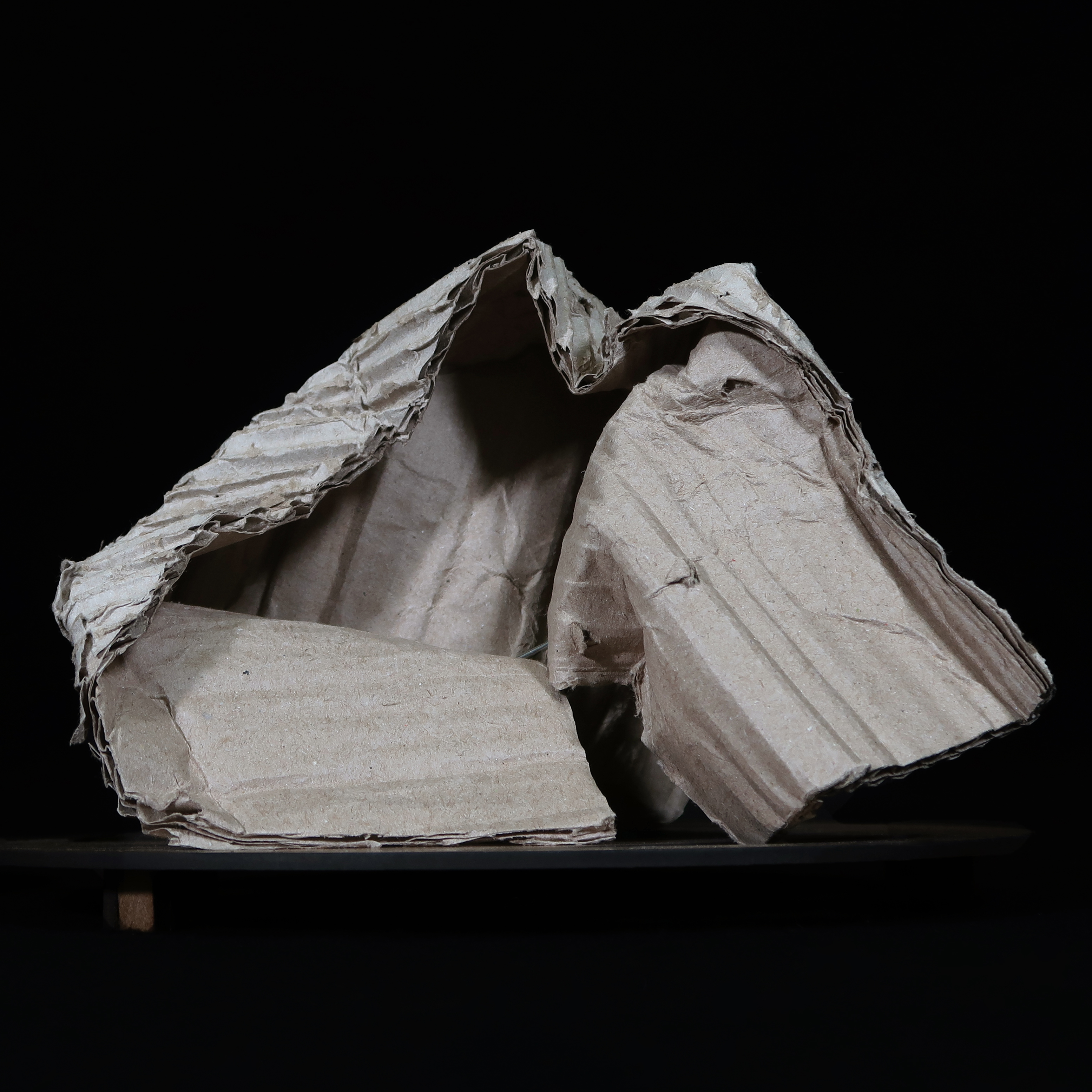
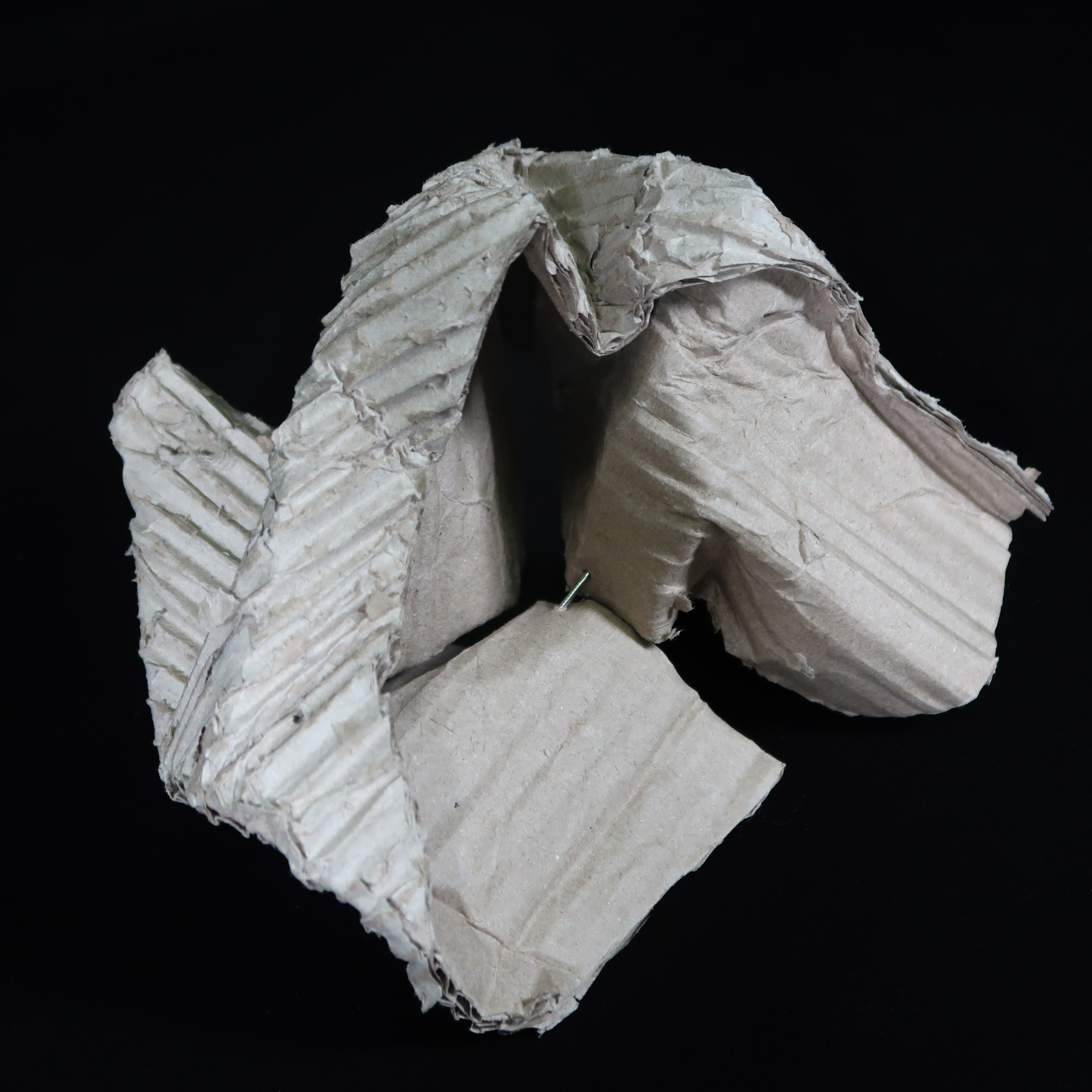
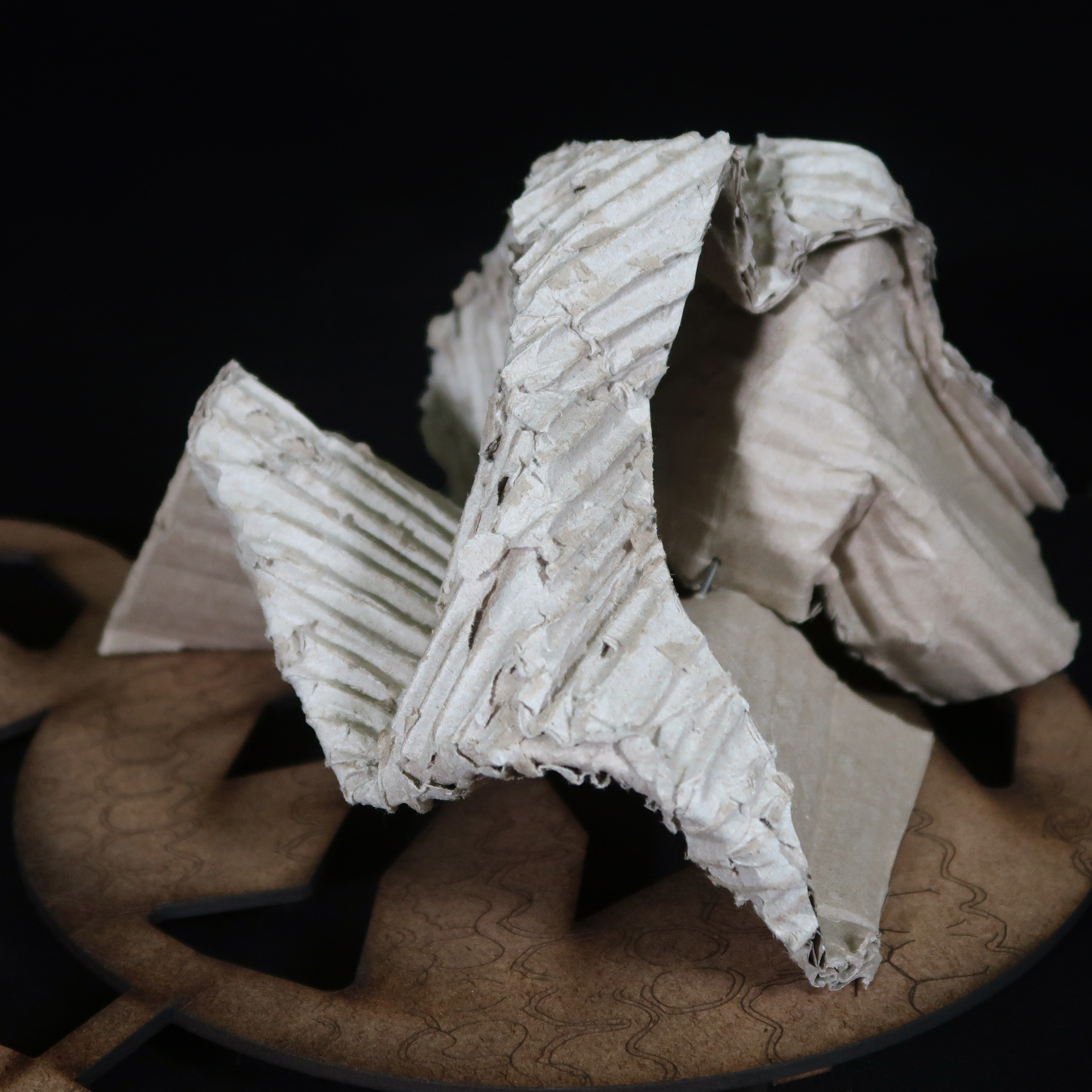
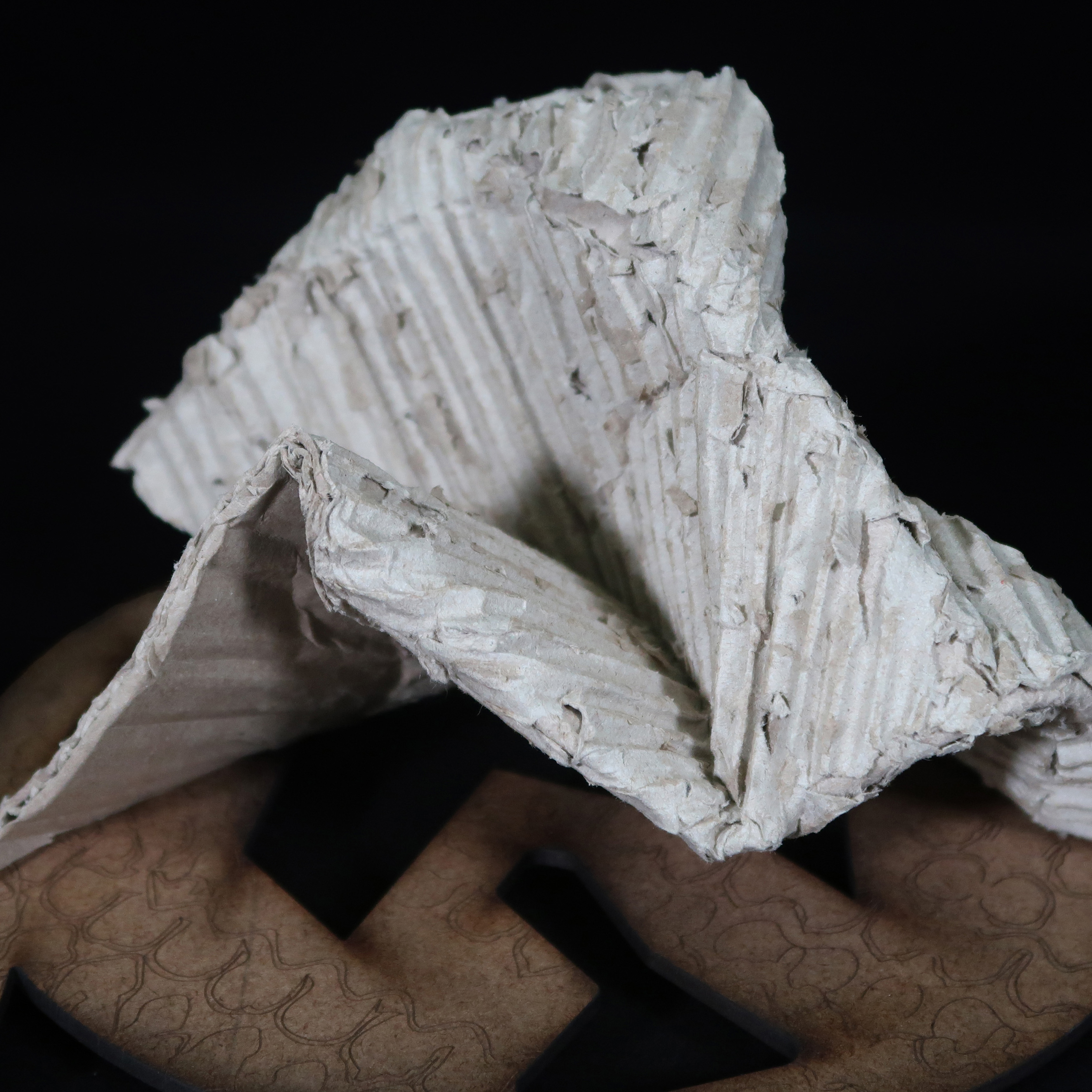
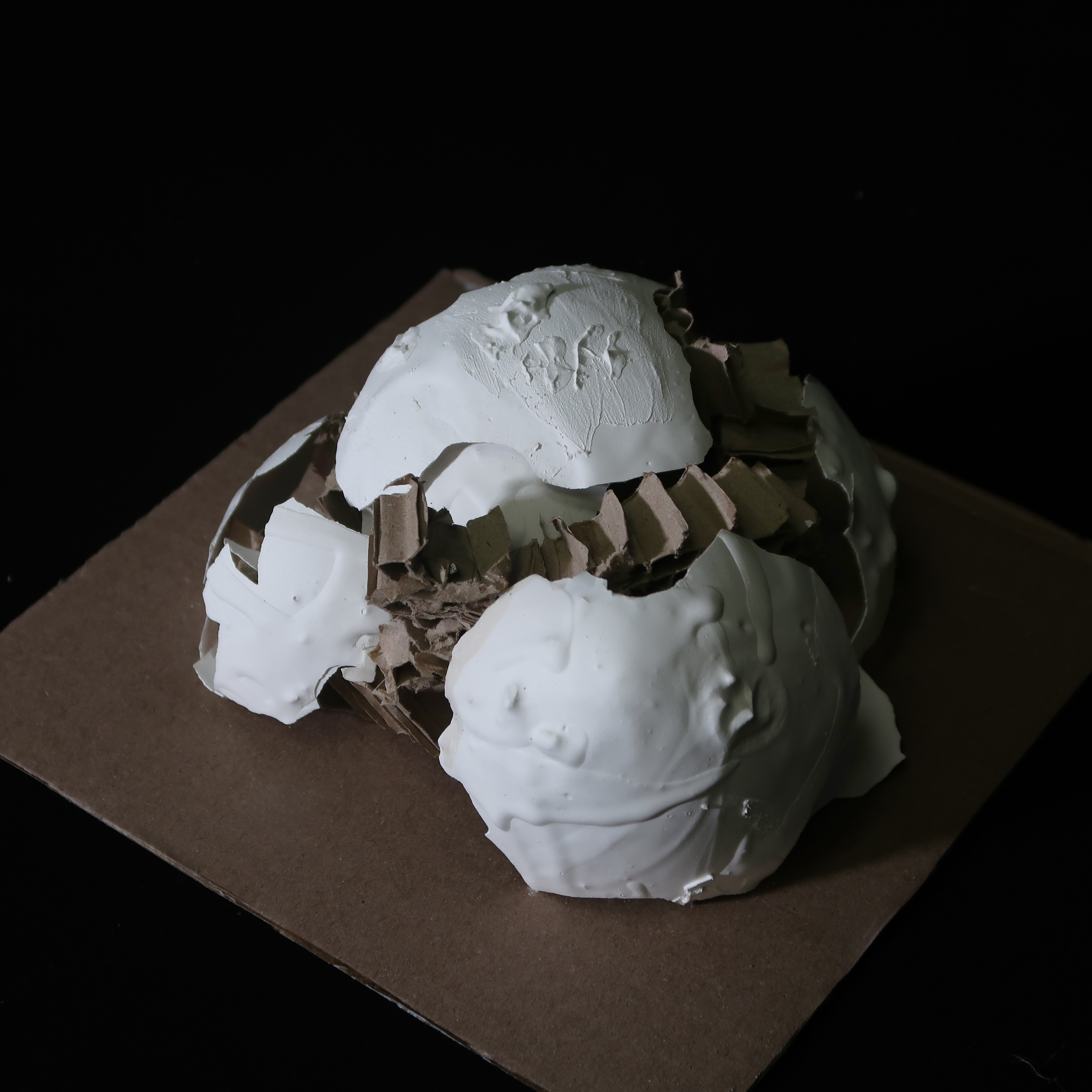
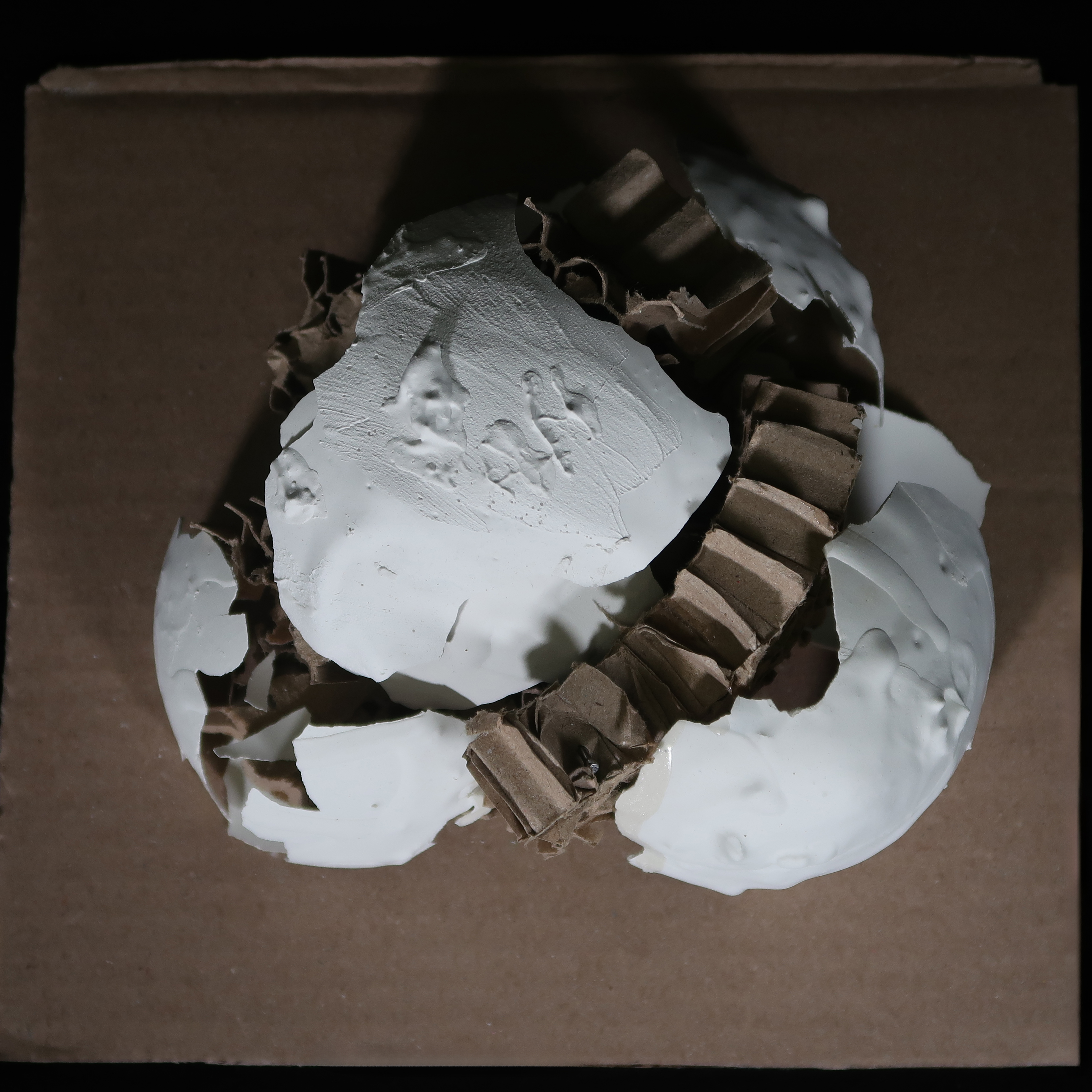
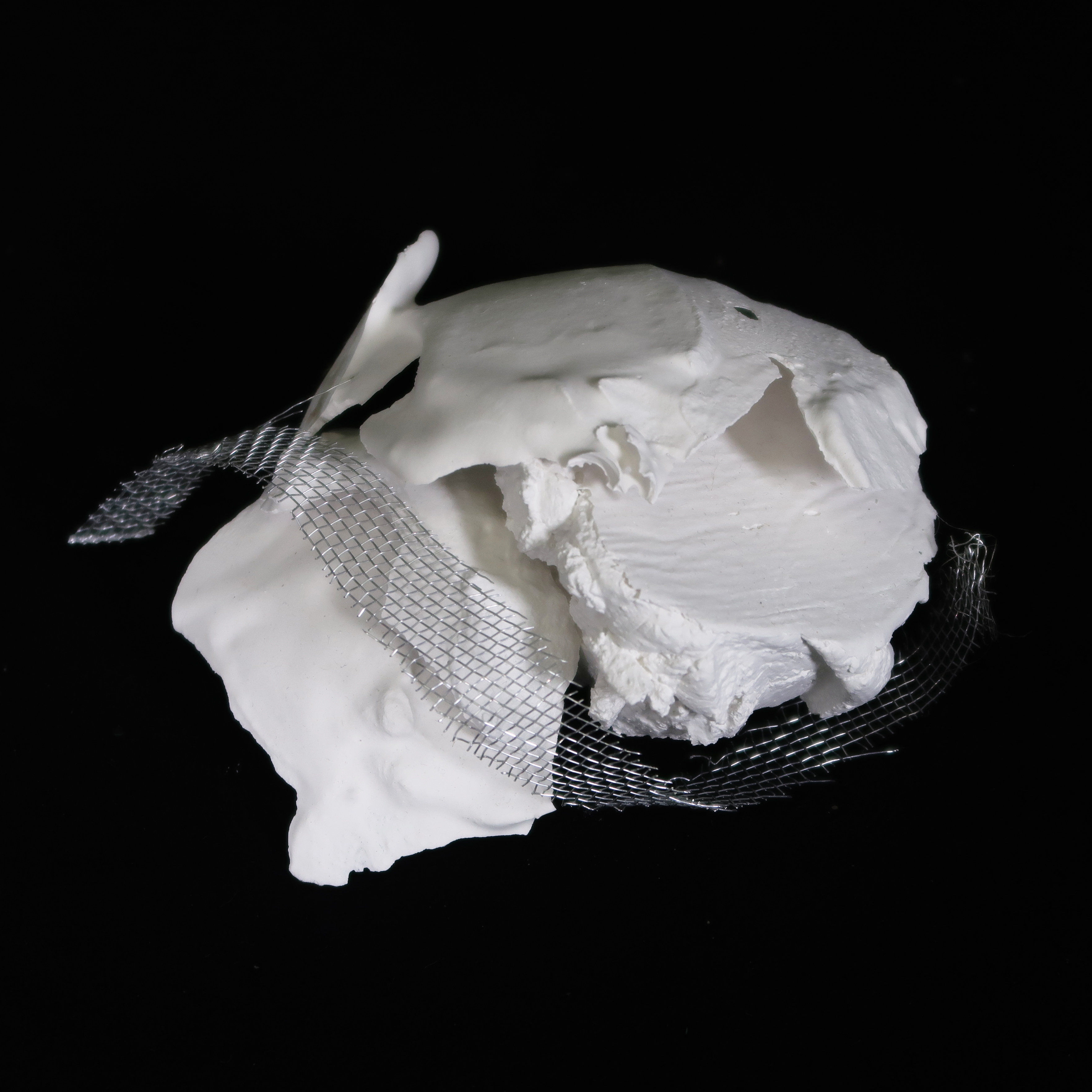
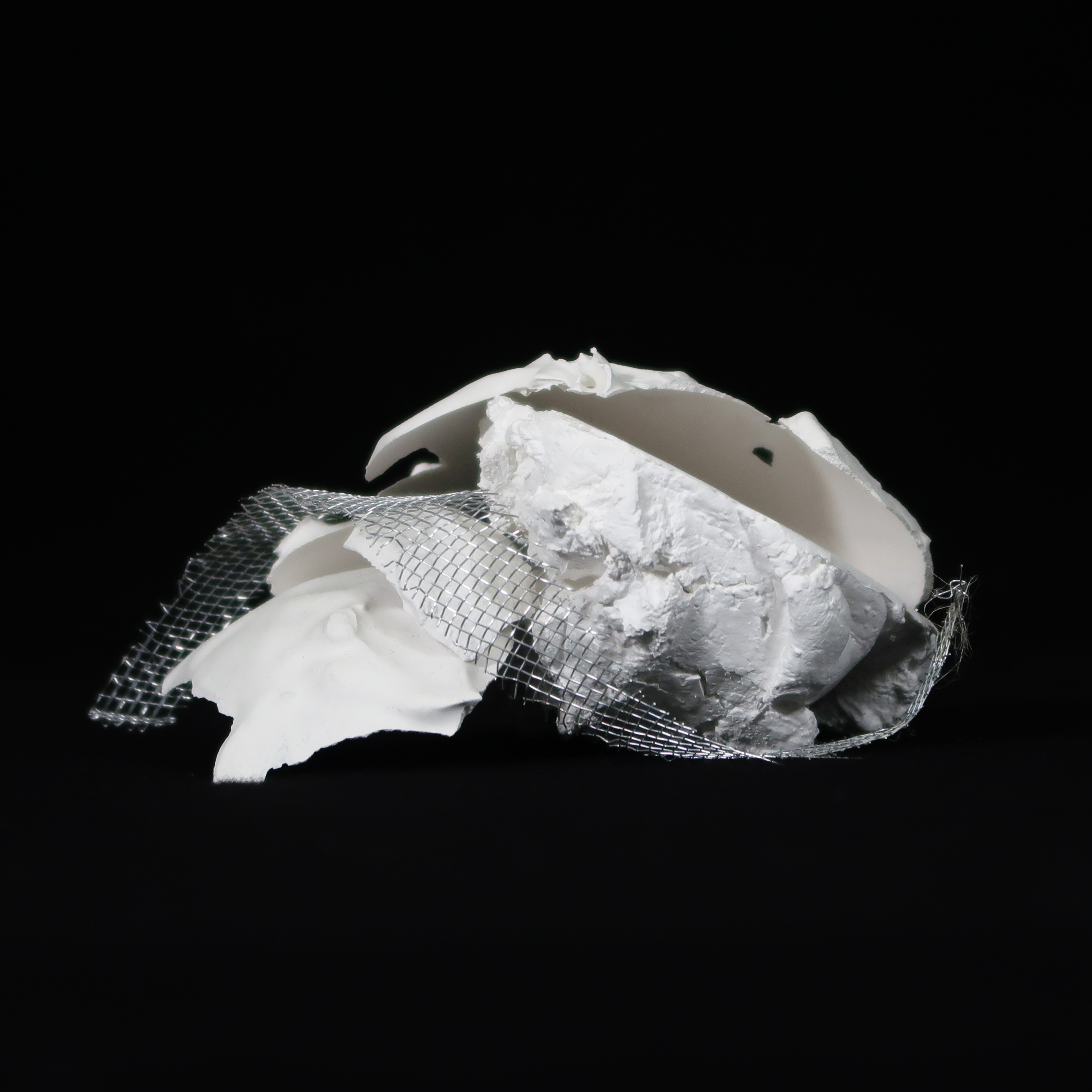
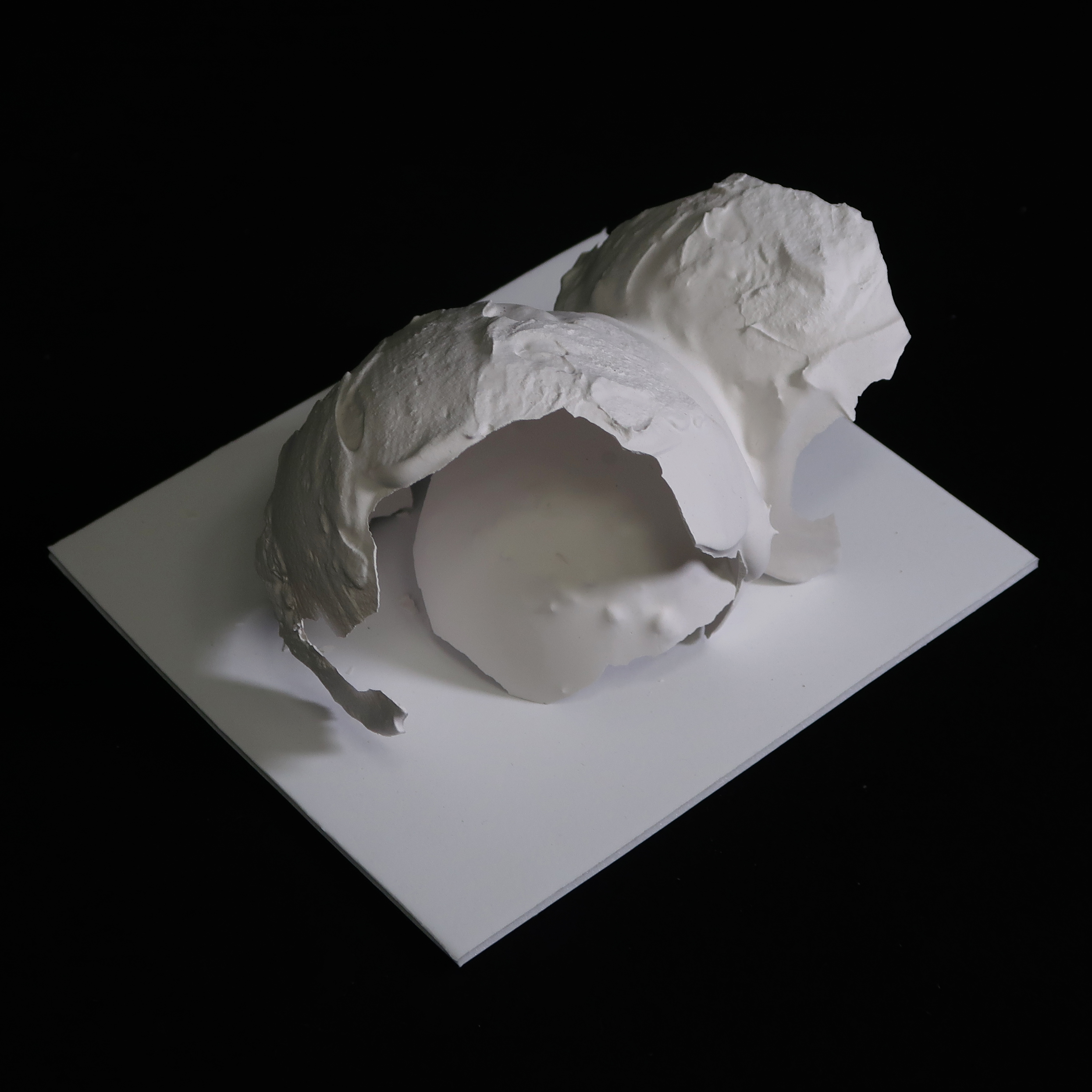
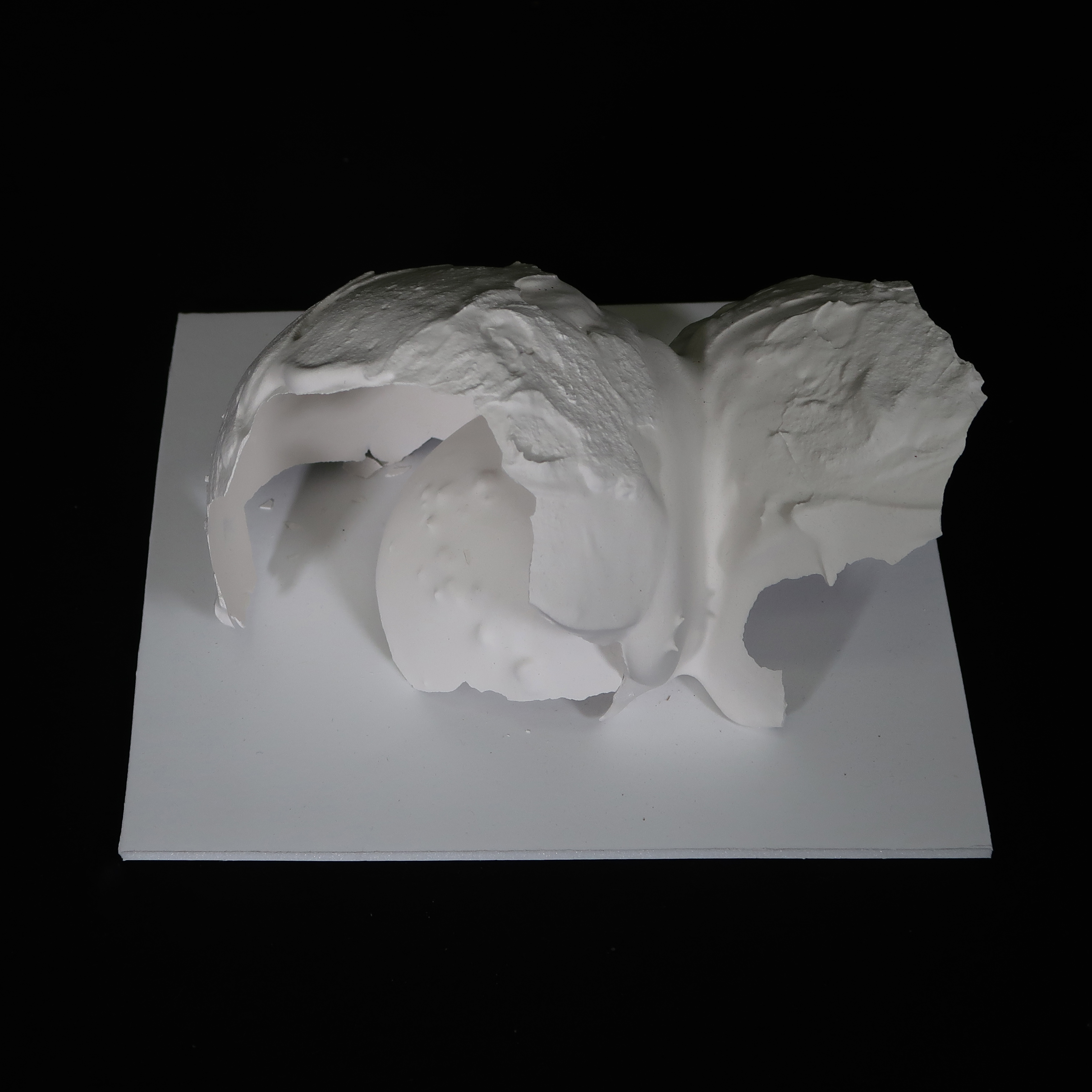
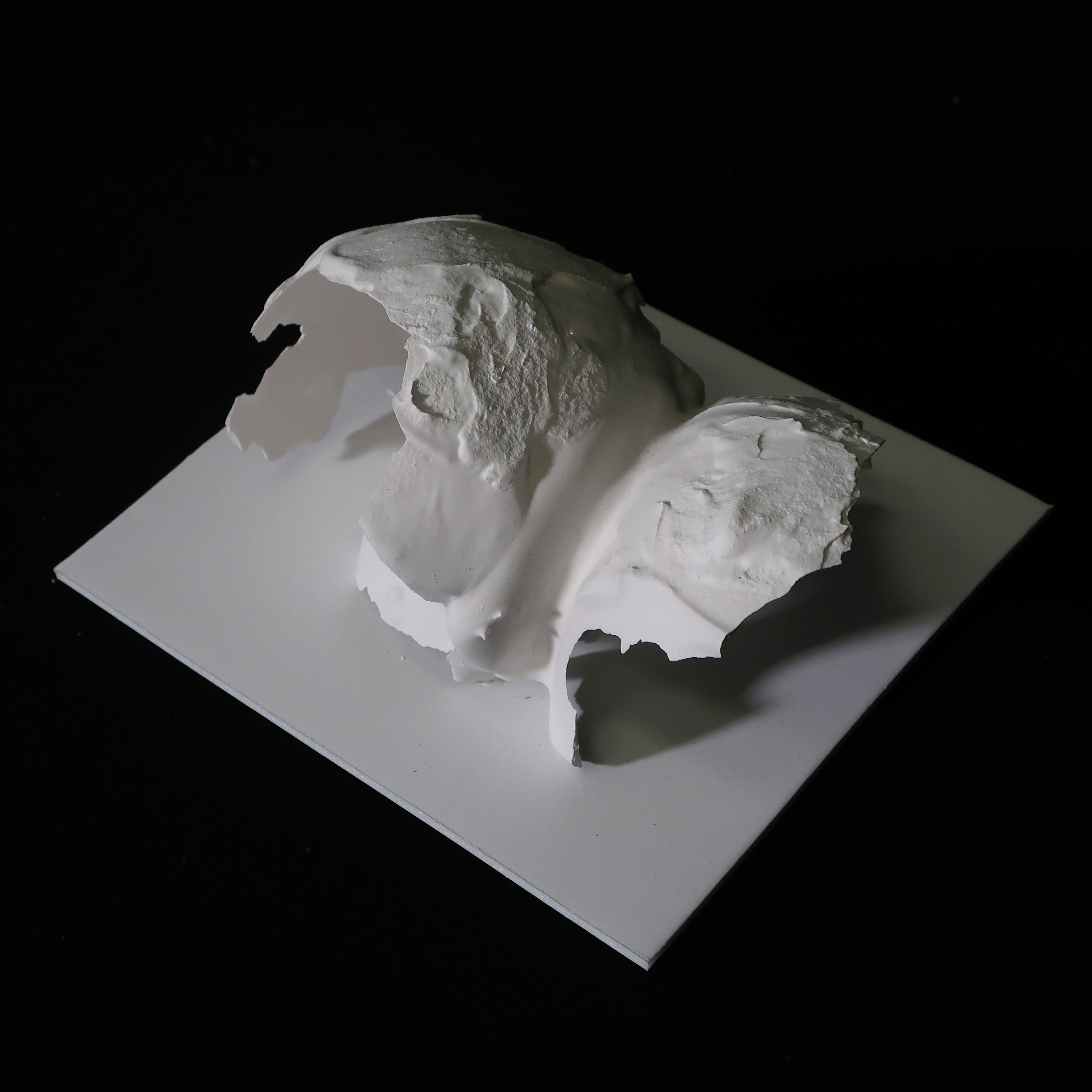
Iterative study models